Understanding the Structure and Function of Anti-Pan-pS/pSer/Phosphoserine Antibody (SAA0307)
The Role of Anti-Pan-pS/pSer/Phosphoserine Antibody (SAA0307) as a Therapeutic Target
Anti-Pan-pS/pSer/Phosphoserine Antibody (SAA0307) is a highly specific monoclonal antibody that targets the phosphorylated form of serine, a common post-translational modification in proteins. This antibody has been extensively studied for its potential use as a therapeutic target in various diseases, including cancer and neurodegenerative disorders.
Structure of Anti-Pan-pS/pSer/Phosphoserine Antibody (SAA0307)
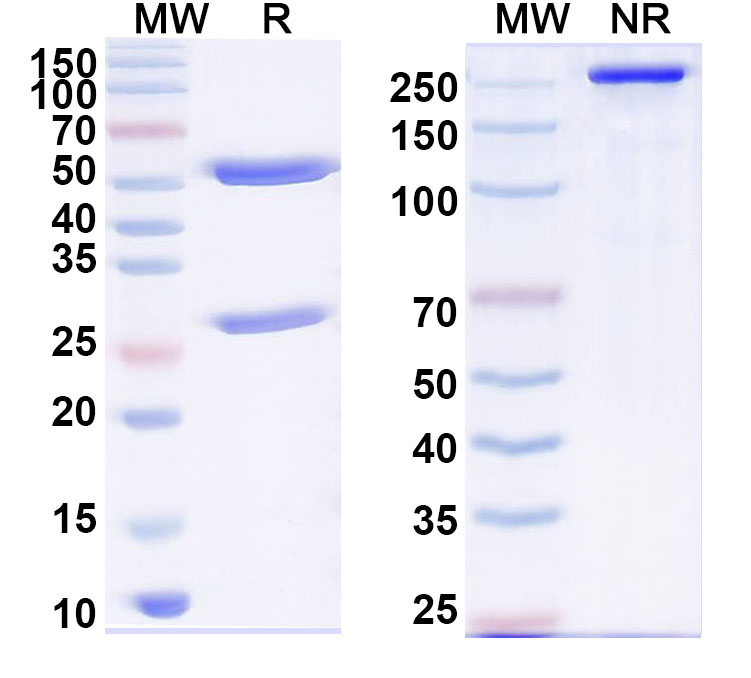
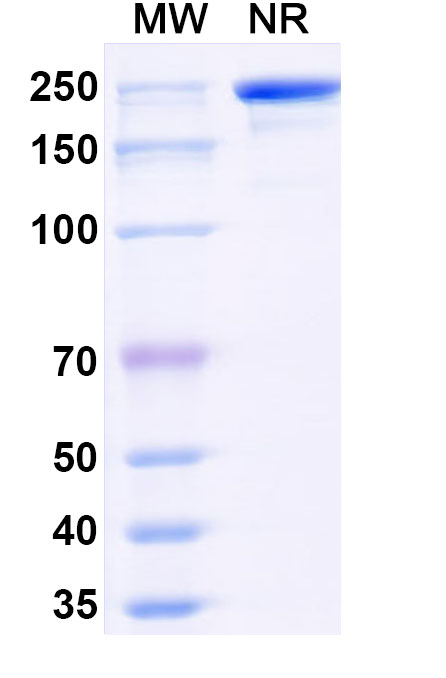
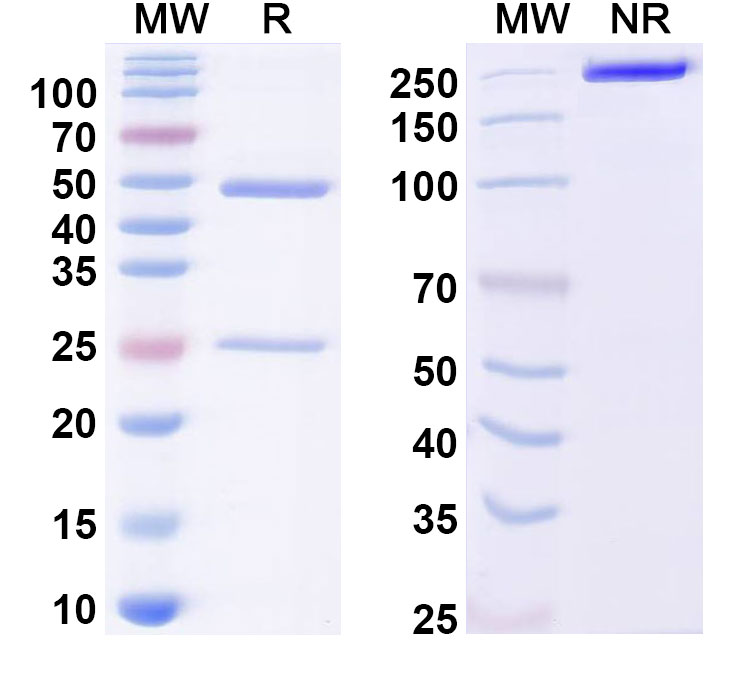
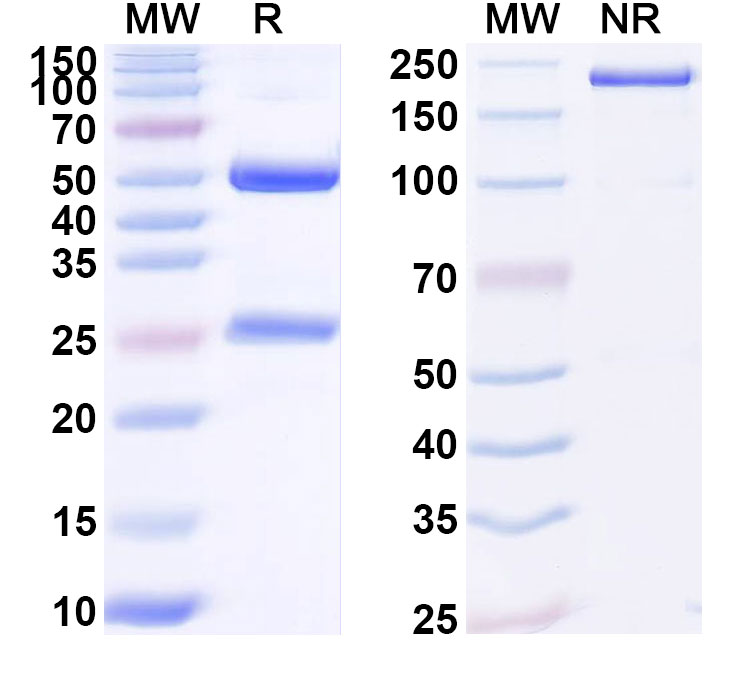
Anti-Pan-pS/pSer/Phosphoserine Antibody (SAA0307) is a mouse monoclonal antibody that specifically binds to phosphorylated serine residues in proteins. It is composed of two heavy chains and two light chains, with a molecular weight of approximately 150 kDa. The antibody has a unique variable region that recognizes and binds to the phosphorylated serine residue, while the constant region mediates its effector functions.
Activity of Anti-Pan-pS/pSer/Phosphoserine Antibody (SAA0307)
Anti-Pan-pS/pSer/Phosphoserine Antibody (SAA0307) has been shown to have high affinity and specificity for phosphorylated serine residues in a variety of proteins. This antibody has been extensively used in research to study the role of phosphorylated serine in various cellular processes, such as signal transduction, protein-protein interactions, and protein stability.
One of the key activities of Anti-Pan-pS/pSer/Phosphoserine Antibody (SAA0307) is its ability to detect and quantify the level of phosphorylated serine in a sample. This has been particularly useful in cancer research, where abnormal phosphorylation of proteins is often observed. By targeting phosphorylated serine, this antibody can help identify potential biomarkers for cancer diagnosis and prognosis.
Moreover, Anti-Pan-pS/pSer/Phosphoserine Antibody (SAA0307) has also been used in functional studies to understand the role of phosphorylated serine in various diseases. For instance, it has been shown to play a critical role in the progression of neurodegenerative disorders, such as Alzheimer’s and Parkinson’s disease. By targeting phosphorylated serine, this antibody can help elucidate the underlying mechanisms of these diseases and potentially lead to the development of new therapeutic strategies.
Application of Anti-Pan-pS/pSer/Phosphoserine Antibody (SAA0307)
Anti-Pan-pS/pSer/Phosphoserine Antibody (SAA0307) has a wide range of applications in both research and clinical settings. In research, this antibody is commonly used for immunoblotting, immunoprecipitation, and immunofluorescence assays to detect and quantify phosphorylated serine in proteins. It has also been used in mass spectrometry-based proteomics to identify and characterize phosphorylated proteins.
In clinical settings, Anti-Pan-pS/pSer/Phosphoserine Antibody (SAA0307) holds great potential as a diagnostic and therapeutic tool. Its ability to specifically target phosphorylated serine in proteins makes it a promising biomarker for various diseases, including cancer and neurodegenerative disorders. Additionally, this antibody can also be used in targeted therapies to specifically deliver drugs to cells with abnormal levels of phosphorylated serine.
Conclusion
In summary, Anti-Pan-pS/pSer/Phosphoserine Antibody (SAA0307) is a highly specific monoclonal antibody that targets phosphorylated serine residues in proteins. Its unique structure and activity make it a valuable tool in understanding the role of phosphorylated serine in various diseases.

There are no reviews yet.