Introduction
Bevifimod Biosimilar – Research Grade is a promising new drug that has recently entered the market as a biosimilar version of the well-known therapeutic agent, Bevifimod. This biosimilar drug is a result of extensive research and development efforts, and is expected to provide a cost-effective alternative for the treatment of various diseases. In this article, we will delve into the structure, activity and application of Bevifimod Biosimilar – Research Grade, highlighting its potential as a therapeutic target.
Structure
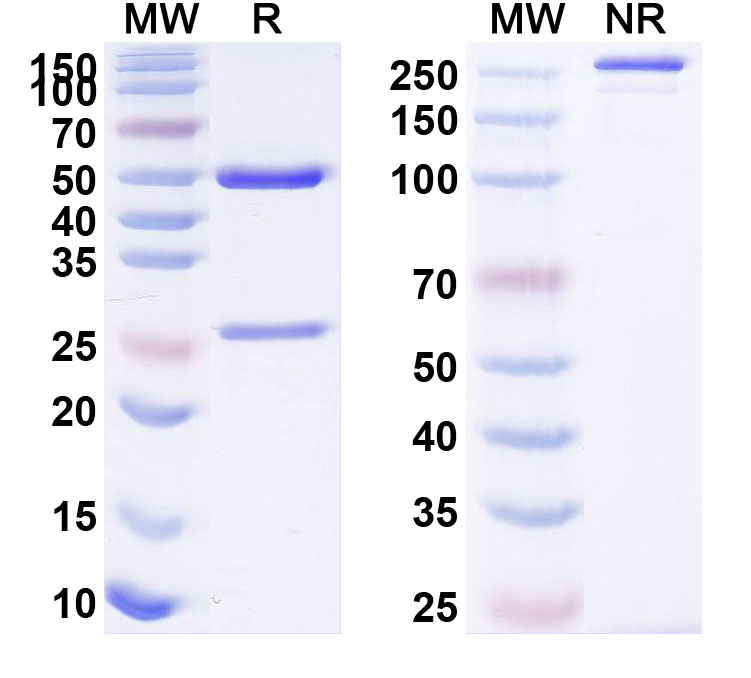
Bevifimod Biosimilar – Research Grade is a monoclonal antibody, specifically a humanized IgG1 kappa antibody. It is composed of two heavy chains and two light chains, each containing a variable and a constant region. The variable region is responsible for binding to its target, while the constant region mediates effector functions. The antibody has a molecular weight of approximately 150 kDa and is glycosylated, giving it a complex and diverse structure.
Activity
Bevifimod Biosimilar – Research Grade exerts its activity by binding to the vascular endothelial growth factor (VEGF), a protein that stimulates the growth of blood vessels. By binding to VEGF, Bevifimod Biosimilar – Research Grade inhibits the formation of new blood vessels, a process known as angiogenesis. This is particularly important in the treatment of cancer, as tumors rely on the formation of new blood vessels to grow and spread. By inhibiting angiogenesis, Bevifimod Biosimilar – Research Grade effectively starves the tumor, leading to its regression.
Application
Bevifimod Biosimilar – Research Grade has a wide range of potential applications, with its main therapeutic target being cancer. It has shown promising results in the treatment of various types of cancer, including colorectal, lung, breast, and ovarian cancer. In addition to its anti-angiogenic activity, Bevifimod Biosimilar – Research Grade also has immunomodulatory effects, making it a potential candidate for combination therapy with other cancer treatments.
Apart from cancer, Bevifimod Biosimilar – Research Grade has also shown potential in the treatment of other diseases, such as age-related macular degeneration (AMD) and diabetic retinopathy. These conditions are characterized by abnormal blood vessel growth in the eye, and Bevifimod Biosimilar – Research Grade’s anti-angiogenic activity makes it a promising treatment option.
Conclusion
In conclusion, Bevifimod Biosimilar – Research Grade is a monoclonal antibody with a complex structure and a wide range of potential applications. Its main therapeutic target is cancer, where it exerts its activity by inhibiting angiogenesis. However, it also has potential in the treatment of other diseases, such as AMD and diabetic retinopathy. With its cost-effective nature and promising results, Bevifimod Biosimilar – Research Grade has the potential to become a widely used therapeutic agent in the near future.


There are no reviews yet.