Introduction:
Bivatuzumab Biosimilar, also known as Anti-CD44 or CD44V mAb, is a monoclonal antibody that specifically targets CD44, a cell surface glycoprotein. This biosimilar is a research grade antibody that has shown promising results in pre-clinical studies and has the potential to be developed into a therapeutic antibody for various diseases.
Structure of Bivatuzumab Biosimilar:
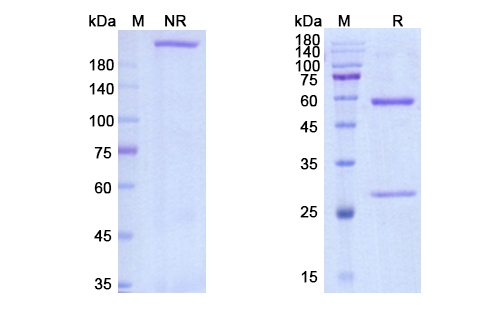
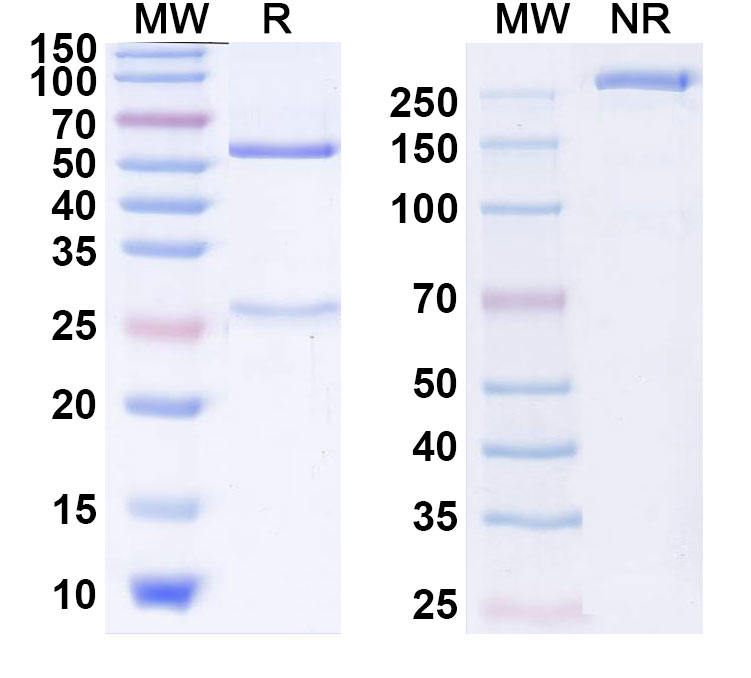
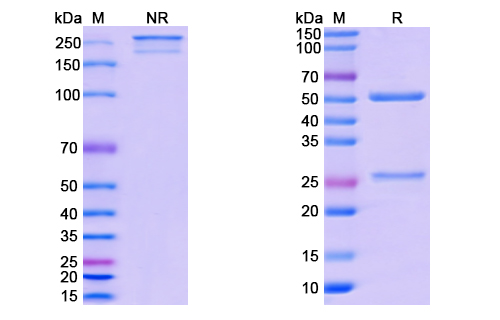
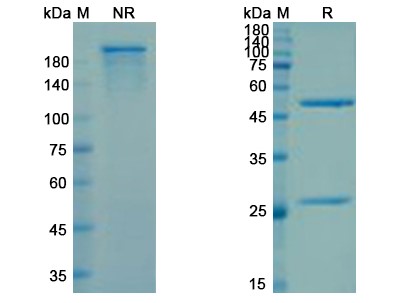
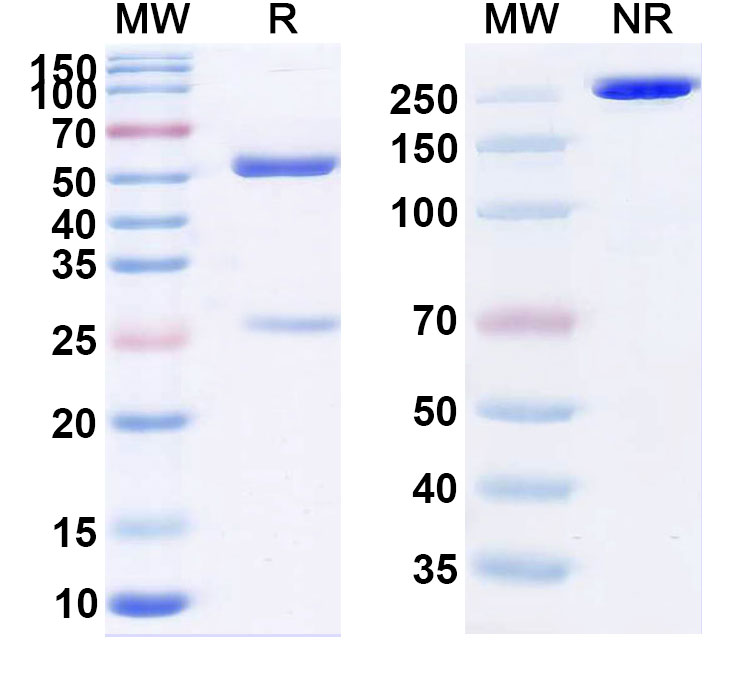
Bivatuzumab Biosimilar is a recombinant humanized IgG1 monoclonal antibody that is produced in a mammalian cell expression system. It has a molecular weight of approximately 150 kDa and consists of two heavy chains and two light chains. The antibody has a unique binding site that recognizes the extracellular domain of CD44, making it highly specific for this target.
Activity of Bivatuzumab Biosimilar:
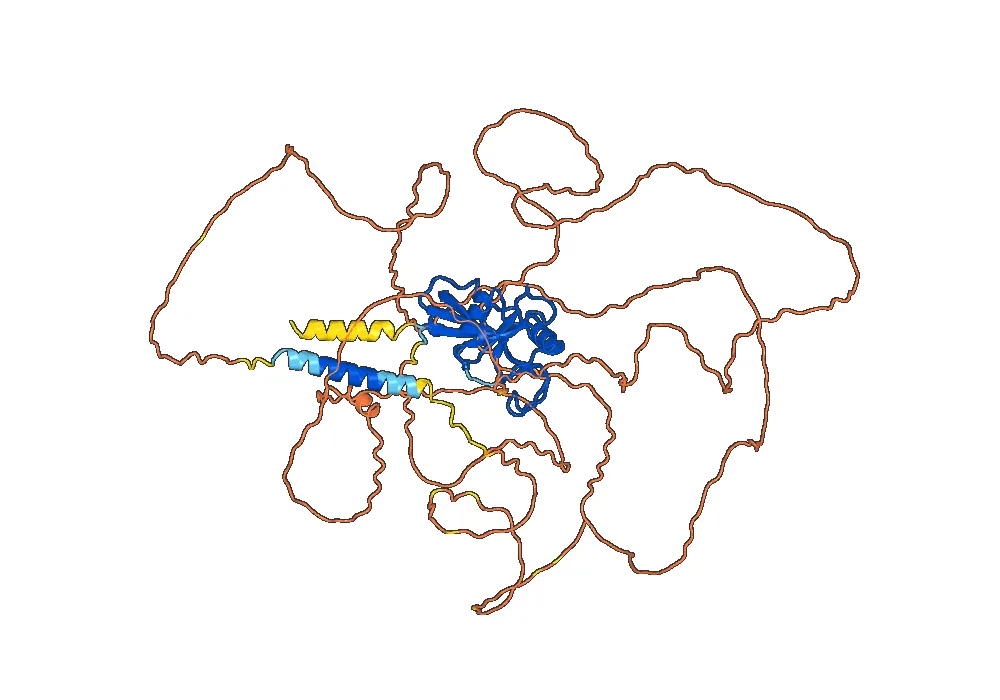
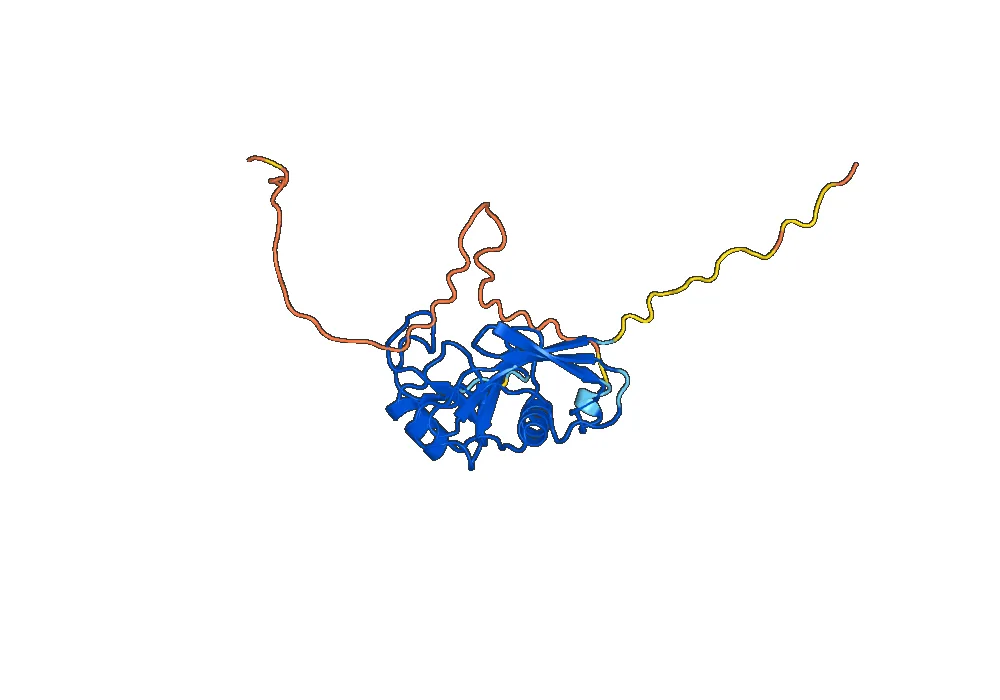
CD44 is a transmembrane glycoprotein that is involved in various cellular processes such as cell adhesion, migration, and signaling. It is overexpressed in many types of cancer, including breast, colon, and pancreatic cancer. Bivatuzumab Biosimilar binds to CD44 and blocks its activity, thereby inhibiting the growth and spread of cancer cells. Additionally, this biosimilar has also been shown to induce antibody-dependent cell-mediated cytotoxicity (ADCC) and complement-dependent cytotoxicity (CDC), which further enhances its anti-tumor activity.
Application of Bivatuzumab Biosimilar:
Bivatuzumab Biosimilar has shown promising results in pre-clinical studies for the treatment of various types of cancer. It has been shown to be effective against both solid tumors and hematological malignancies. In addition to its anti-tumor activity, this biosimilar has also shown potential for use in the treatment of inflammatory diseases, as CD44 is also involved in the regulation of immune responses.
Potential as a Therapeutic Antibody:
The high specificity and activity of Bivatuzumab Biosimilar make it a promising candidate for the development of a therapeutic antibody. Its ability to target CD44, a protein that is overexpressed in many types of cancer, makes it a potential treatment option for a wide range of cancers. Furthermore, its ability to induce ADCC and CDC adds to its potential as a therapeutic antibody.
Advantages of Bivatuzumab Biosimilar:
One of the major advantages of Bivatuzumab Biosimilar is its high specificity for CD44. This reduces the risk of off-target effects and makes it a safer treatment option. Additionally, its recombinant production in a mammalian cell expression system ensures high purity and consistency in its structure and activity. This biosimilar also has a low immunogenic potential, reducing the risk of adverse reactions in patients.
Conclusion:
Bivatuzumab Biosimilar, also known as Anti-CD44 or CD44V mAb, is a promising research grade antibody with potential as a therapeutic antibody. Its unique structure and high specificity for CD44 make it a potential treatment option for various types of cancer and inflammatory diseases. With further research and development, Bivatuzumab Biosimilar has the potential to improve the treatment options available for patients with CD44-expressing diseases.
There are no reviews yet.