Introduction to Cudarolimab Biosimilar – A Promising Anti-TNFRSF4 mAb
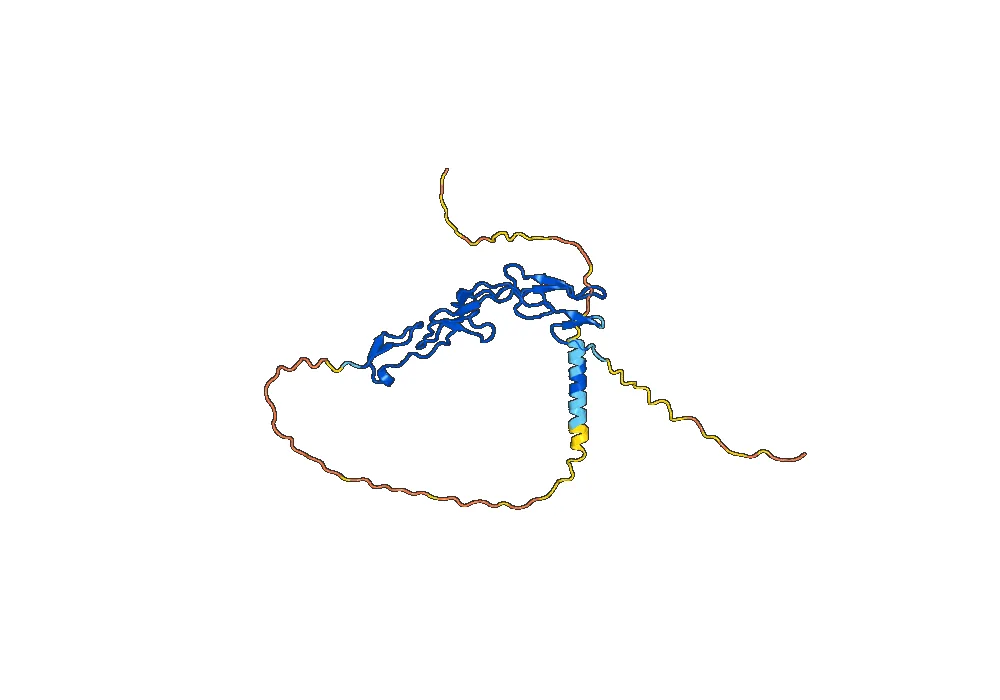
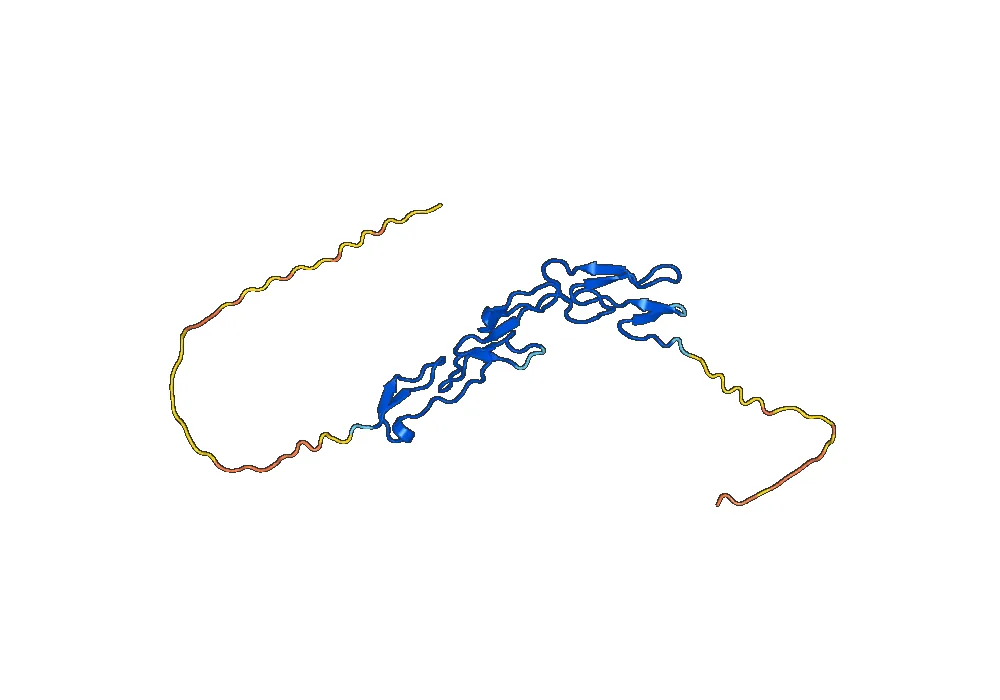
Cudarolimab Biosimilar, also known as Anti-TNFRSF4 mAb, is a monoclonal antibody that has shown great potential as a therapeutic agent in various diseases. This biosimilar is designed to target TNFRSF4, a protein that plays a crucial role in immune regulation and has been implicated in the pathogenesis of several disorders. In this article, we will delve into the structure, activity, and potential applications of Cudarolimab Biosimilar.
Title: The Structure of Cudarolimab Biosimilar – A Closer Look
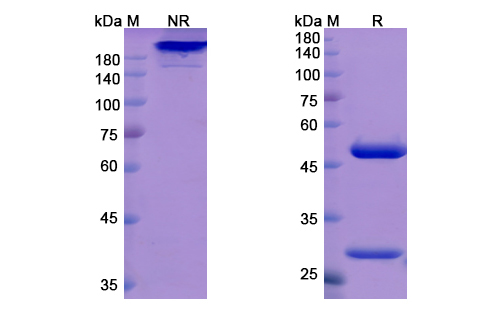
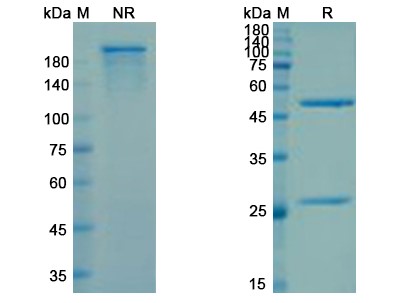
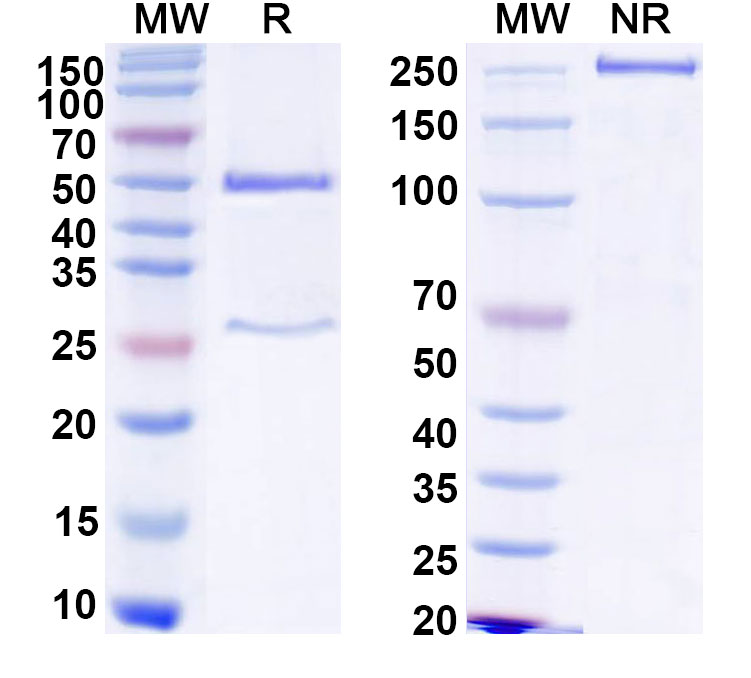
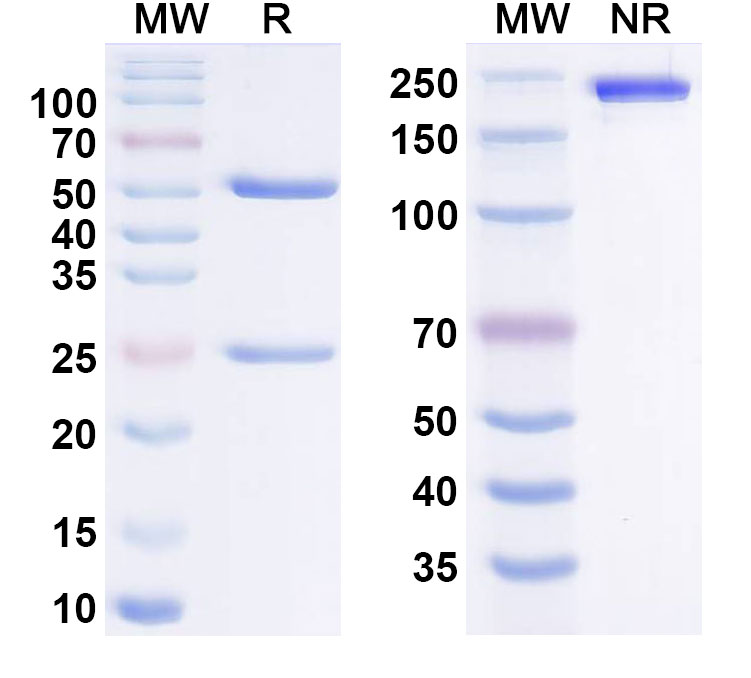
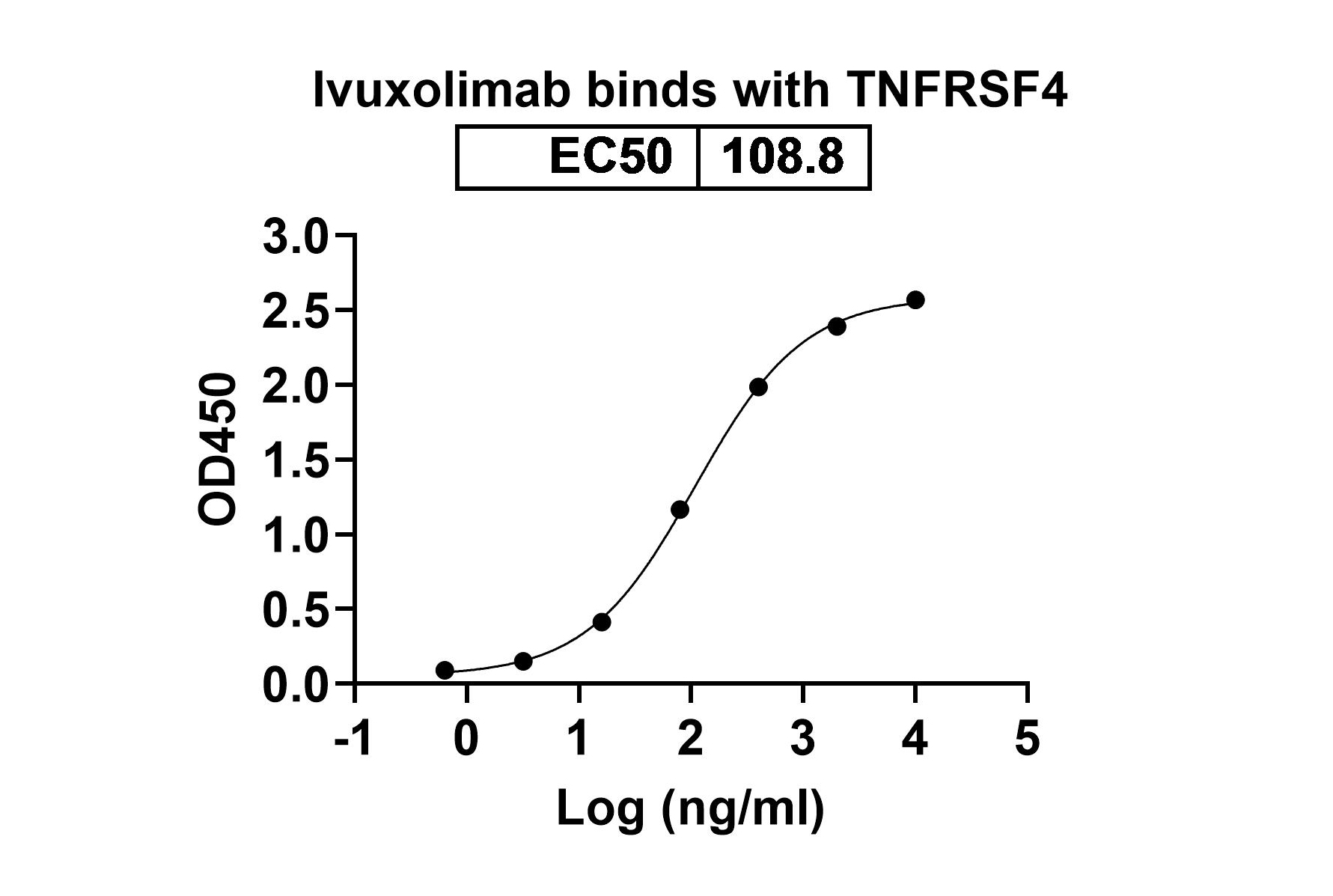
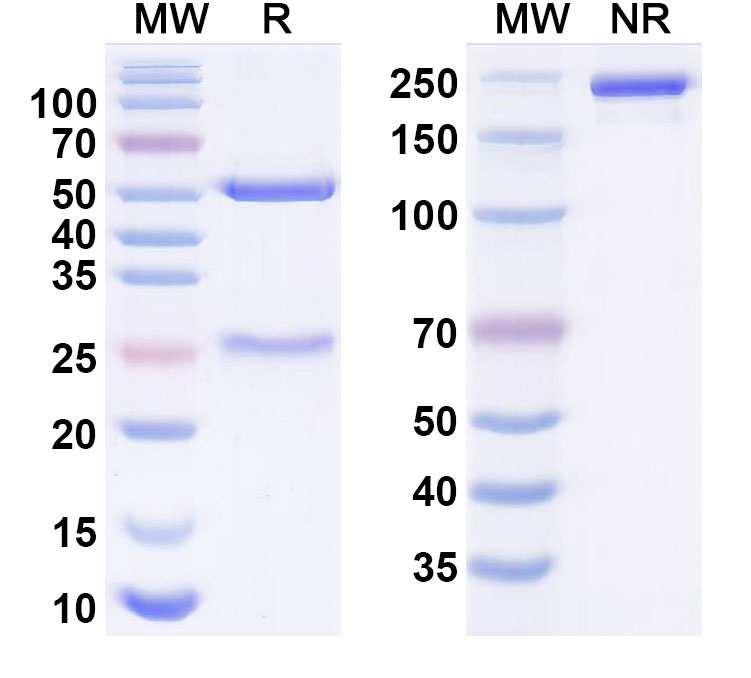
Cudarolimab Biosimilar is a recombinant humanized monoclonal antibody, meaning it is derived from both human and non-human sources. It is composed of two identical heavy chains and two identical light chains, each containing a variable region and a constant region. The variable region is responsible for binding to TNFRSF4, while the constant region determines the antibody’s effector function.
Title: How Does Cudarolimab Biosimilar Work? – Mechanism of Action
The primary mechanism of action of Cudarolimab Biosimilar is its ability to bind to TNFRSF4, a receptor found on the surface of various immune cells. This binding prevents the interaction of TNFRSF4 with its ligand, OX40L, thereby inhibiting the activation and proliferation of T cells. This leads to a decrease in the immune response, making Cudarolimab Biosimilar a potential therapeutic agent for autoimmune diseases and inflammatory disorders.
Title: Potential Applications of Cudarolimab Biosimilar – Targeting TNFRSF4
Cudarolimab Biosimilar has shown promising results in preclinical studies for various diseases where TNFRSF4 is implicated. One such disorder is rheumatoid arthritis, where TNFRSF4 has been found to play a role in the pathogenesis. By targeting TNFRSF4, Cudarolimab Biosimilar could potentially reduce inflammation and improve symptoms in patients with rheumatoid arthritis.
Title: Cudarolimab Biosimilar in
Cancer Therapy – Targeting Tumor-Associated Immune Cells
TNFRSF4 has also been found to be overexpressed on tumor-associated immune cells in various cancers, including melanoma and lung cancer. By targeting TNFRSF4, Cudarolimab Biosimilar could potentially inhibit the growth and spread of these tumors by suppressing the immune response. This makes it a promising candidate for cancer immunotherapy.
Advantages of Cudarolimab Biosimilar – A Potential Biosimilar Alternative
Cudarolimab Biosimilar offers several advantages over the original anti-TNFRSF4 mAb. Firstly, as a biosimilar, it is expected to have a similar efficacy and safety profile as the reference product. This makes it a cost-effective alternative for patients and healthcare systems. Additionally, Cudarolimab Biosimilar has the potential for improved pharmacokinetics and reduced immunogenicity compared to the original mAb.
Conclusion – The Future of Cudarolimab Biosimilar in Therapeutic Targeting of TNFRSF4 In conclusion, Cudarolimab Biosimilar is a promising therapeutic agent that targets TNFRSF4, a protein involved in immune regulation and implicated in various diseases. Its unique mechanism of action and potential applications in autoimmune disorders and cancer make it a promising candidate for future research and clinical use. With further studies and development, Cudarolimab Biosimilar could potentially offer a more cost-effective and efficient treatment option for patients.
There are no reviews yet.