Introduction
Budigalimab Biosimilar, also known as Anti-PDCD1, PD1, CD279 mAb, is a research grade monoclonal antibody that targets the programmed cell death protein 1 (PD-1) pathway. This pathway plays a crucial role in regulating the immune response and has been found to be dysregulated in various diseases, making it an important therapeutic target. In this article, we will discuss the structure, activity, and potential applications of Budigalimab Biosimilar as a research grade antibody.
Structure of Budigalimab Biosimilar
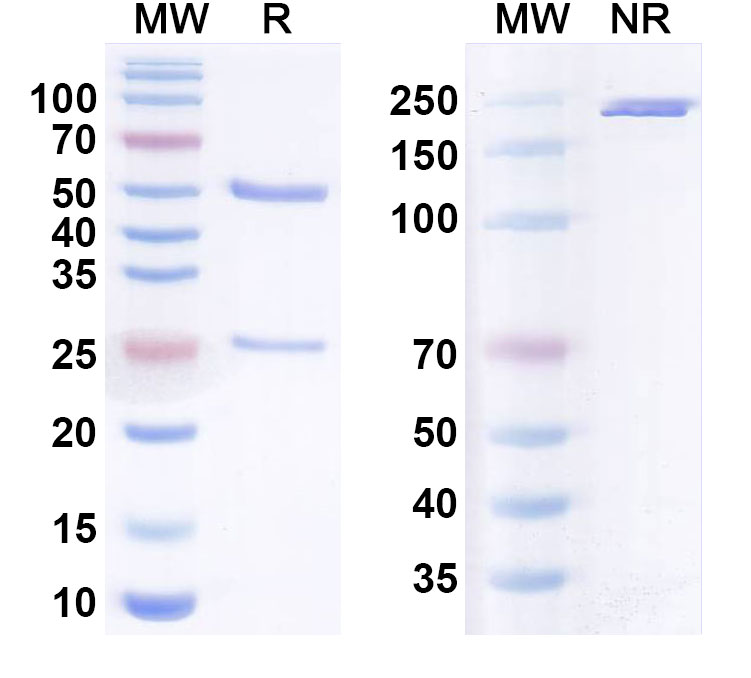
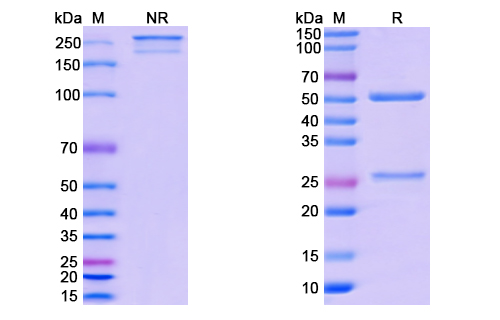
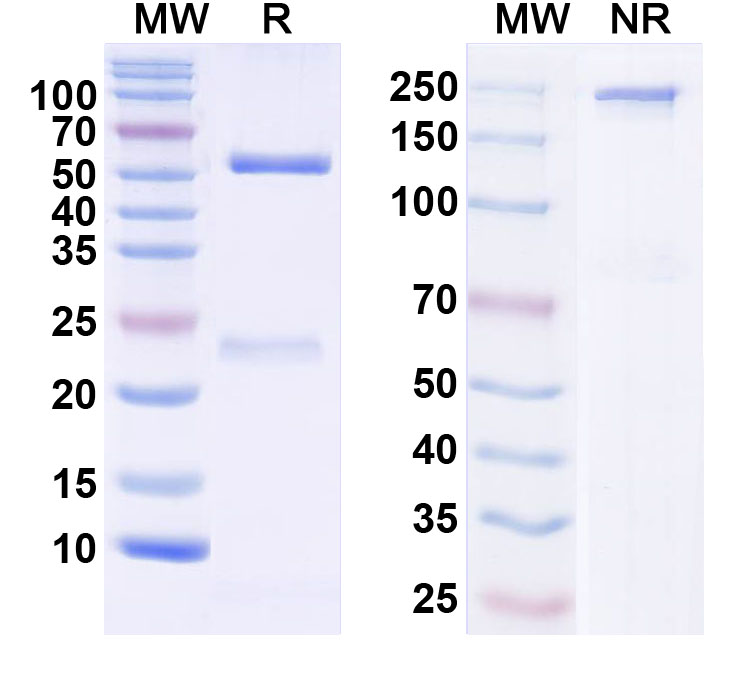
Budigalimab Biosimilar is a humanized monoclonal antibody, meaning it is derived from human antibodies and has been modified to reduce immunogenicity. It is composed of two identical heavy chains and two identical light chains, each containing a variable region and a constant region. The variable region is responsible for binding to its target, PD-1, while the constant region determines the antibody’s effector functions.
Activity of Budigalimab Biosimilar
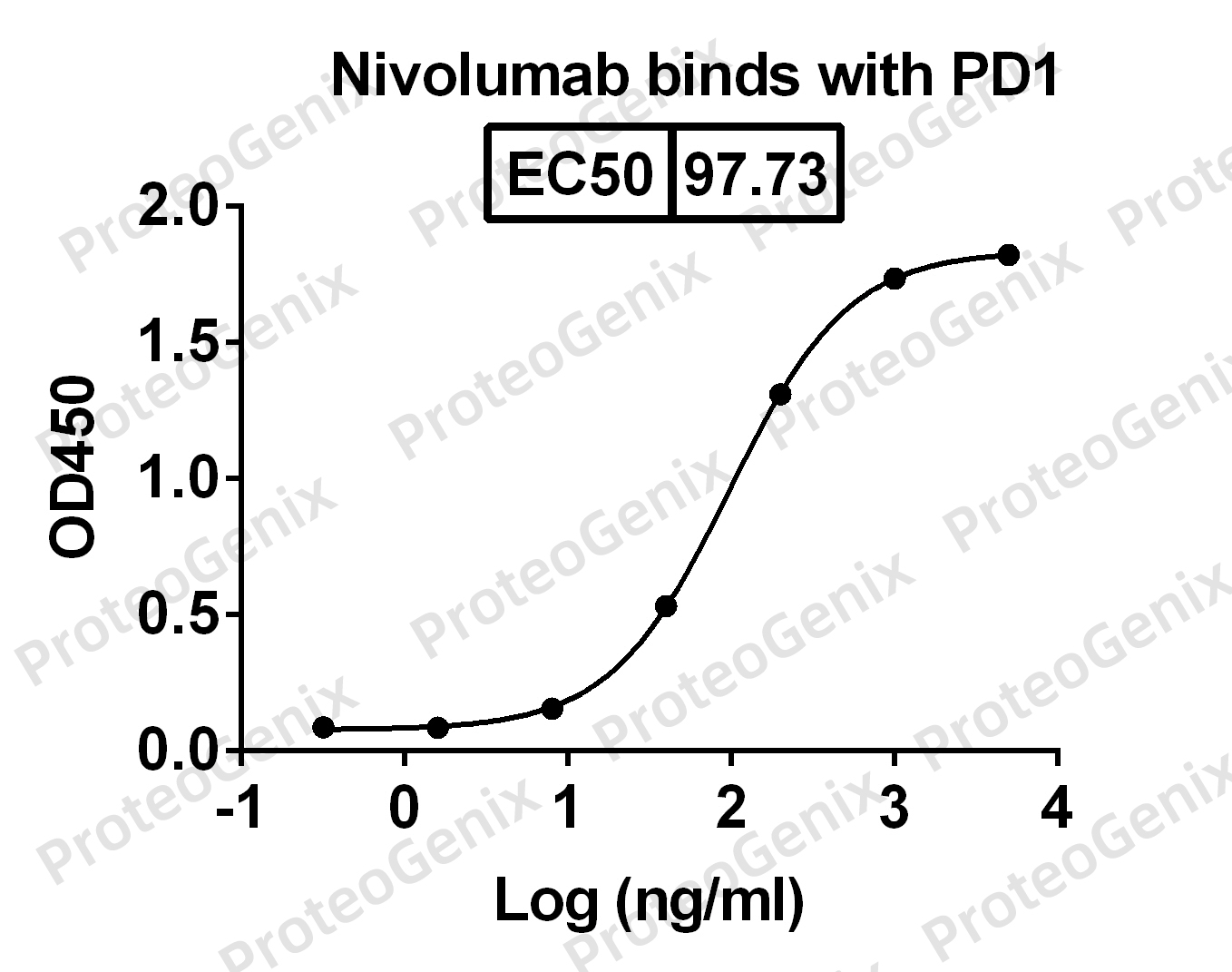
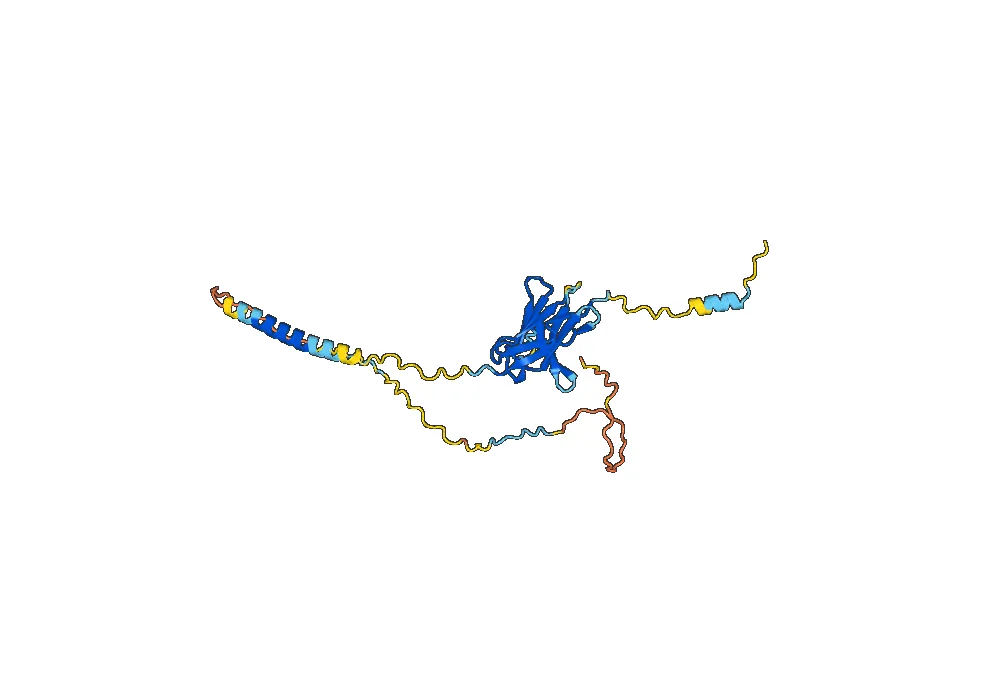
Budigalimab Biosimilar works by binding to PD-1, a receptor found on the surface of immune cells, including T cells, B cells, and natural killer cells. PD-1 is responsible for regulating the immune response by inhibiting the activation of T cells. When PD-1 binds to its ligands, PD-L1 and PD-L2, it sends a signal to T cells to become inactive, preventing them from attacking healthy cells. However, in diseases such as cancer, PD-L1 is overexpressed, leading to the suppression of the immune response and allowing cancer cells to escape detection.
By binding to PD-1, Budigalimab Biosimilar blocks the interaction between PD-1 and its ligands, thereby preventing the inhibition of T cells. This allows the immune system to mount an effective response against cancer cells, leading to their destruction. Additionally, Budigalimab Biosimilar can also enhance the activity of other immune cells, such as natural killer cells, further aiding in the elimination of cancer cells.
Applications of Budigalimab Biosimilar
Budigalimab Biosimilar is currently being investigated for its potential use in various diseases, with a primary focus on cancer. It has shown promising results in clinical trials for the treatment of various types of cancer, including melanoma, non-small cell lung cancer, and renal cell carcinoma. It has also been studied in combination with other therapies, such as chemotherapy and radiation, to improve treatment outcomes.
In addition to cancer, Budigalimab Biosimilar is also being studied for its potential use in autoimmune diseases, such as rheumatoid arthritis and multiple sclerosis. By blocking the PD-1 pathway, it can prevent the overactivation of the immune system, which is responsible for the development of these diseases.
Conclusion
Budigalimab Biosimilar, also known as Anti-PDCD1, PD1, CD279 mAb, is a research grade monoclonal antibody that targets the PD-1 pathway. Its structure, composed of two identical heavy chains and two identical light chains, allows it to effectively bind to PD-1 and block its interaction with its ligands. This leads to the activation of the immune system and can potentially be used in the treatment of various diseases, including cancer and autoimmune disorders. Further research and clinical trials are needed to fully understand the potential of Budigalimab Biosimilar and its role in improving patient outcomes.


There are no reviews yet.