Introduction
Cofetuzumab Biosimilar, also known as Anti-PTK7 mAb, is a monoclonal antibody that has gained significant attention in the field of cancer research. It is a biosimilar version of the original Cofetuzumab, which was developed by the biopharmaceutical company, Merus N.V. This biosimilar version has been developed to target PTK7, a protein that is overexpressed in various types of cancer. In this article, we will explore the structure, activity, and potential applications of Cofetuzumab Biosimilar as a therapeutic antibody.
Structure of Cofetuzumab Biosimilar
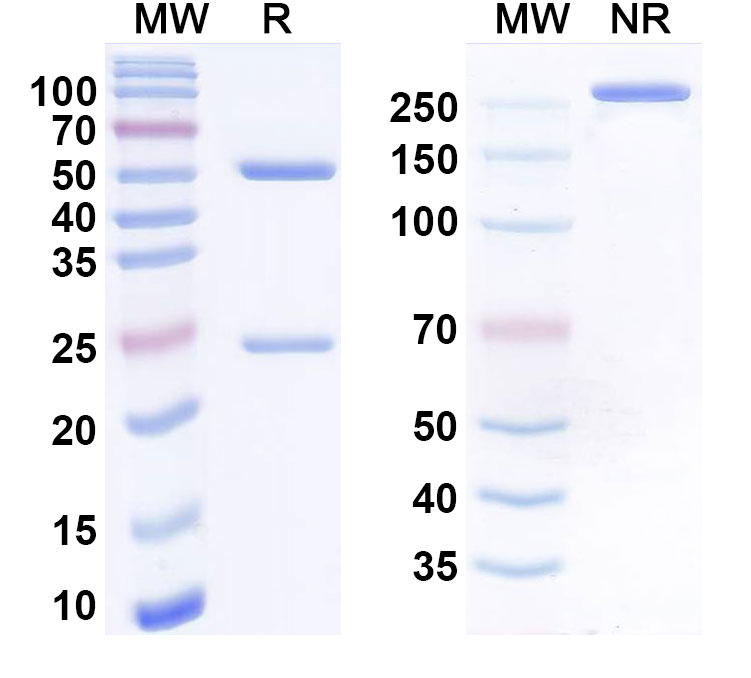
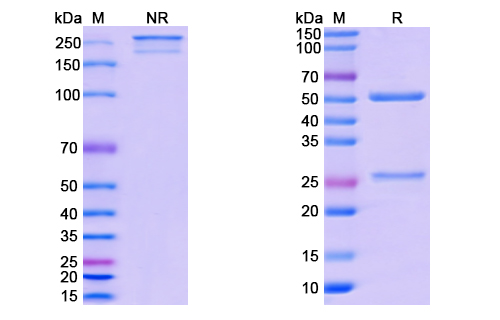
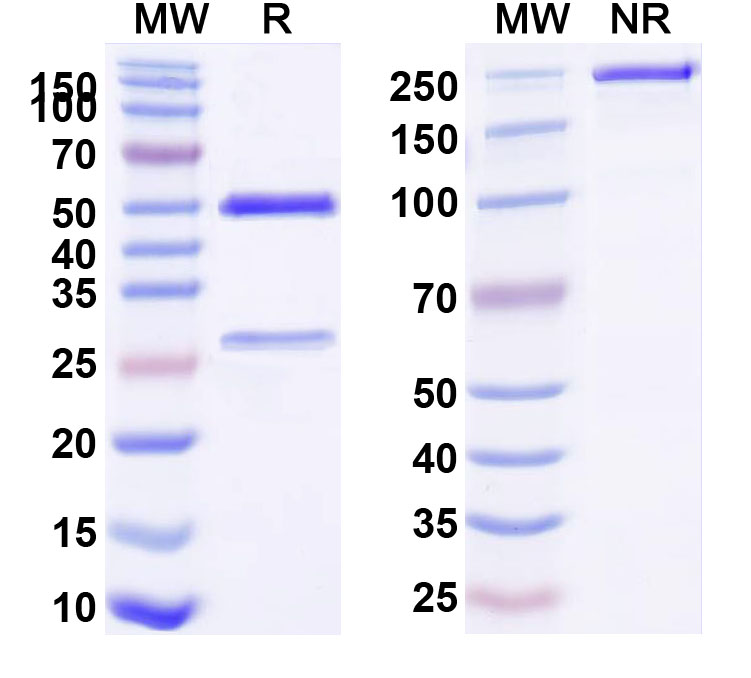
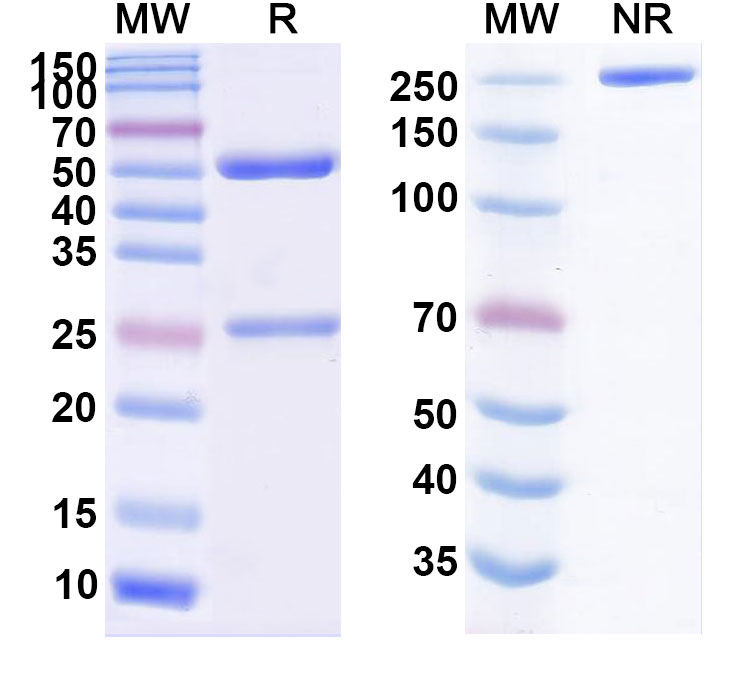
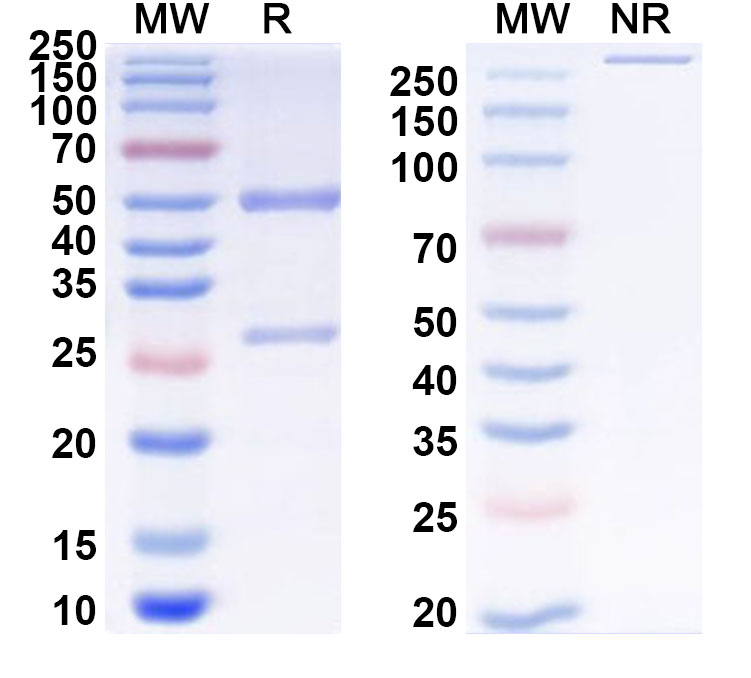
Cofetuzumab Biosimilar is a monoclonal antibody that belongs to the IgG1 subclass. It is composed of two heavy chains and two light chains, each with a molecular weight of approximately 150 kDa. The antibody has a Y-shaped structure, with two antigen-binding fragments (Fab) and one crystallizable fragment (Fc). The Fab regions are responsible for binding to the target protein, PTK7, while the Fc region mediates effector functions such as antibody-dependent cellular cytotoxicity (ADCC) and complement-dependent cytotoxicity (CDC).
Activity of Cofetuzumab Biosimilar
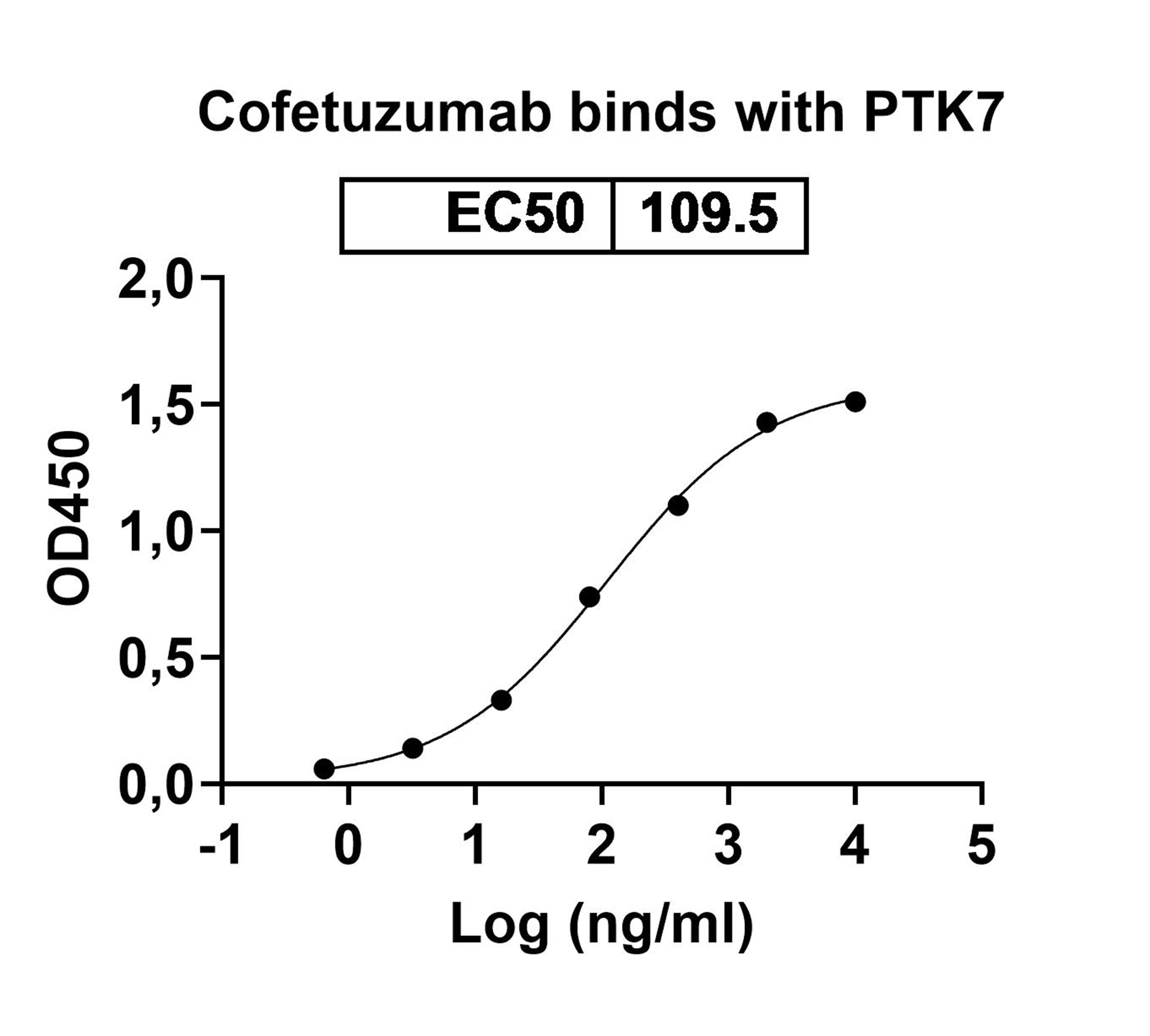
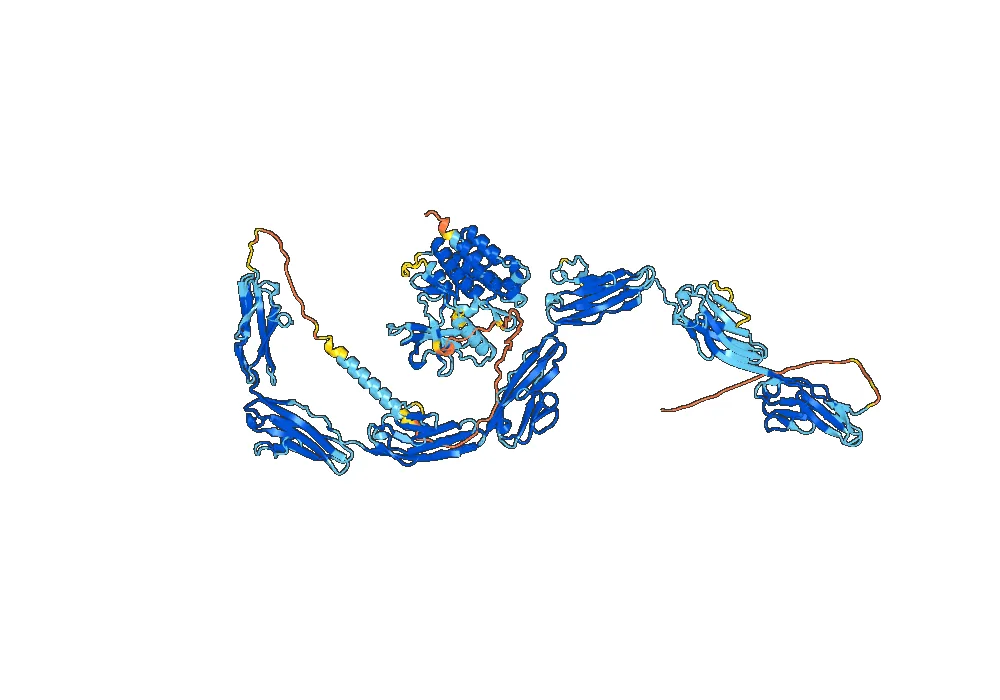
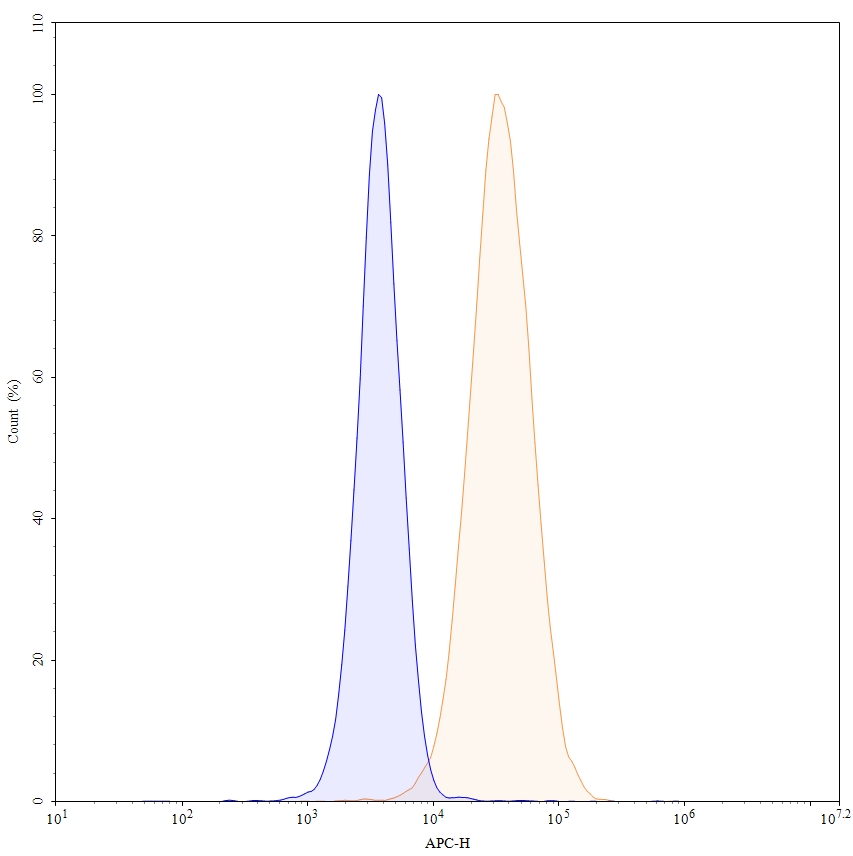
The primary function of Cofetuzumab Biosimilar is to bind to PTK7, a transmembrane protein that is highly expressed in various types of cancer cells. PTK7 is known to play a critical role in promoting cell proliferation, migration, and invasion, making it an attractive therapeutic target for cancer treatment. By binding to PTK7, Cofetuzumab Biosimilar blocks its activity and inhibits the growth and spread of cancer cells.
In addition to its direct effects on PTK7, Cofetuzumab Biosimilar also has the potential to activate immune cells through its Fc region. This can lead to the destruction of cancer cells through ADCC and CDC mechanisms. Moreover, the antibody has been shown to induce apoptosis, or cell death, in cancer cells that express high levels of PTK7.
Applications of Cofetuzumab Biosimilar
Cofetuzumab Biosimilar is currently being investigated as a potential treatment for various types of cancer, including colorectal, gastric, ovarian, and lung cancers. In preclinical studies, the antibody has shown promising results in inhibiting tumor growth and improving survival rates in animal models. It has also demonstrated synergistic effects when used in combination with other cancer therapies, such as chemotherapy and targeted therapies.
In addition to its potential as a therapeutic agent, Cofetuzumab Biosimilar has also been used as a research tool in studying the role of PTK7 in cancer. Its ability to specifically target PTK7 has allowed researchers to gain a better understanding of the protein’s function and its contribution to cancer development and progression.
Conclusion
Cofetuzumab Biosimilar, also known as Anti-PTK7 mAb, is a promising monoclonal antibody that targets PTK7, a protein that is overexpressed in various types of cancer. Its unique structure and activity make it a potential therapeutic agent for cancer treatment, with the ability to inhibit tumor growth, induce cell death, and activate immune cells. Further research and clinical trials are needed to fully explore the potential of Cofetuzumab Biosimilar in the field of cancer therapy.


There are no reviews yet.