Introduction
Conbercept Biosimilar is a novel anti-VEGFA fusion protein that has been developed as a potential therapeutic agent for various diseases. This biosimilar is a recombinant protein that has a similar structure and activity to the original Conbercept, but is produced by a different manufacturer. In this article, we will provide a detailed scientific description of Conbercept Biosimilar, focusing on its structure, activity, and potential applications.
Structure of Conbercept Biosimilar
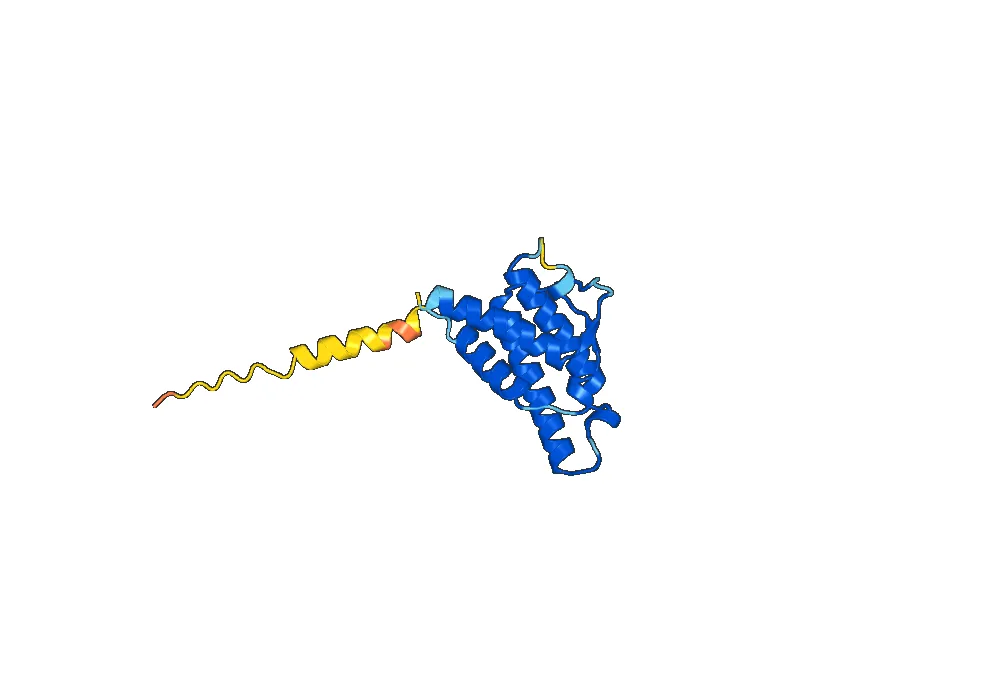
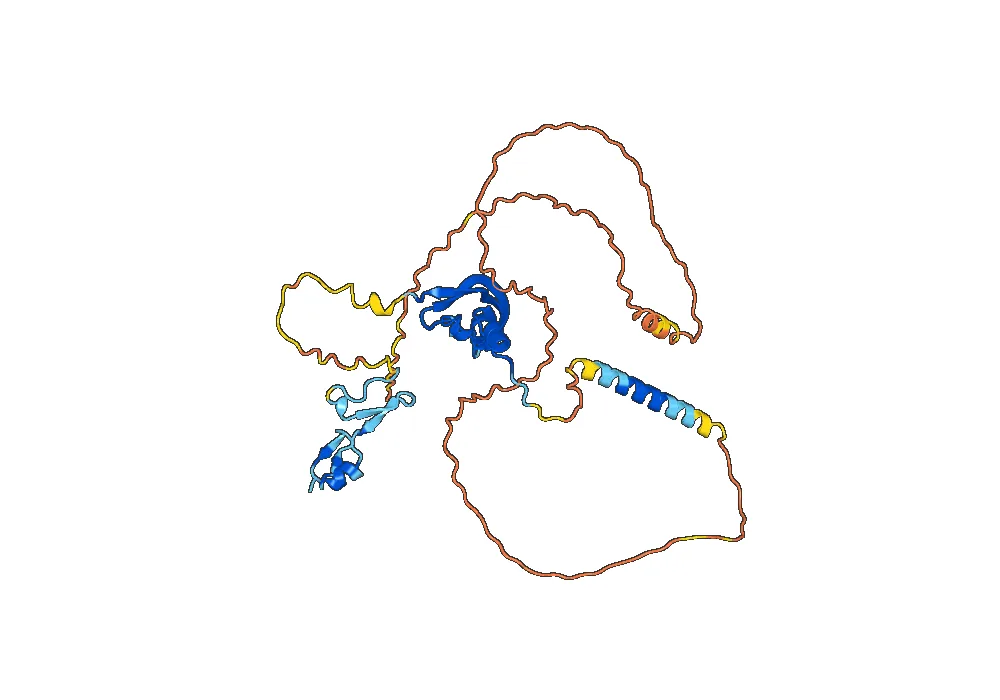
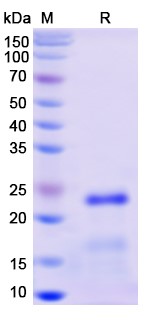
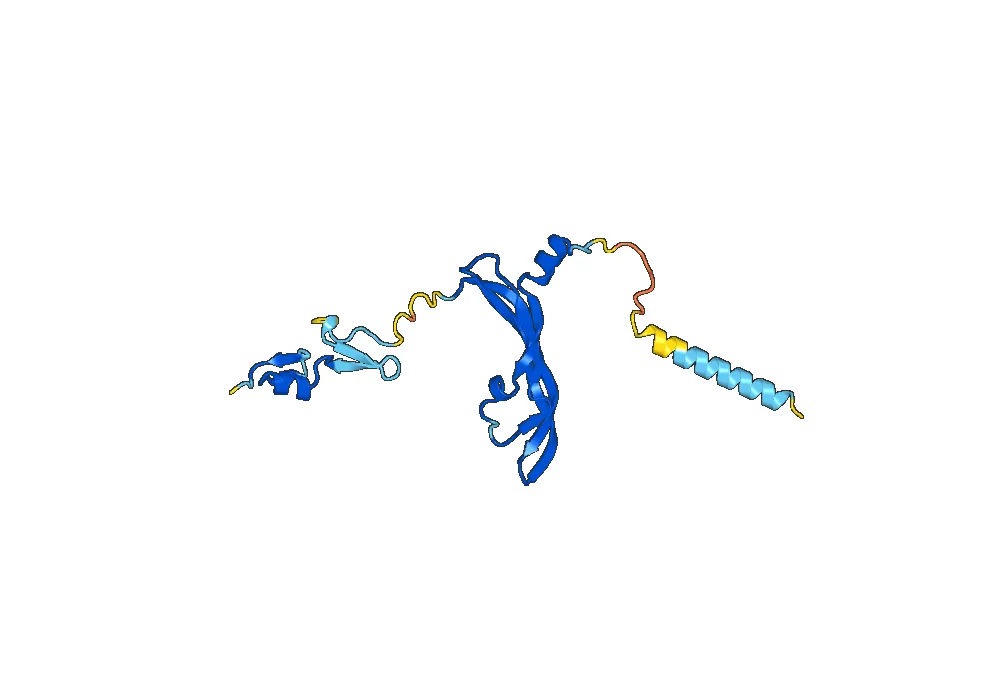
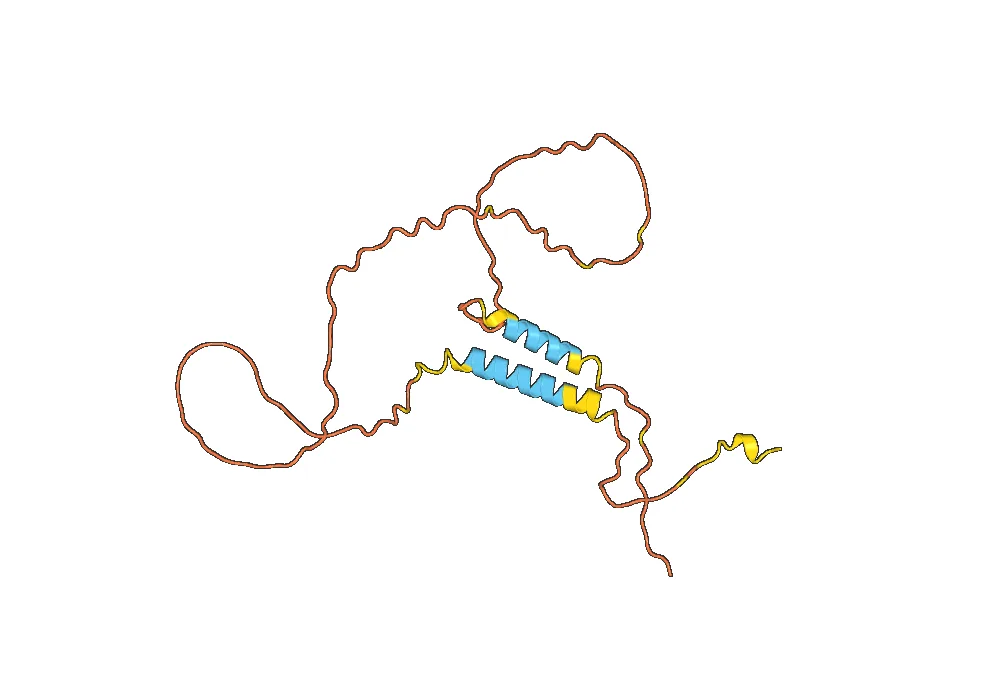
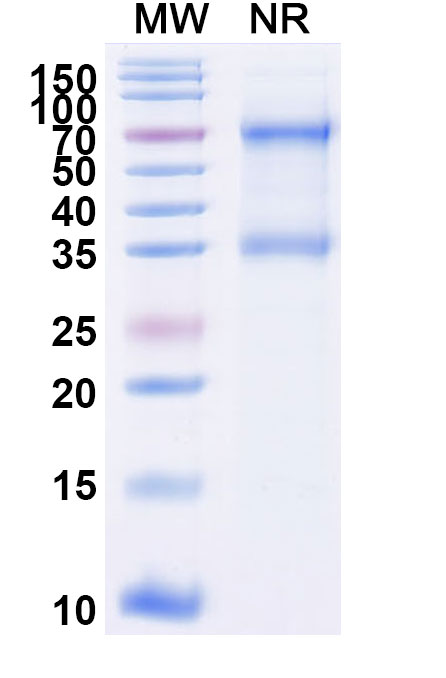
Conbercept Biosimilar is a fusion protein composed of three extracellular domains of human VEGF receptor 1 (FLT-1) and two extracellular domains of human VEGF receptor 2 (KDR). These domains are linked by a human IgG1 Fc fragment, resulting in a protein with a molecular weight of approximately 97 kDa. The structure of Conbercept Biosimilar is similar to that of the original Conbercept, which is a recombinant fusion protein composed of four extracellular domains of VEGF receptors and a human IgG1 Fc fragment.
Activity of Conbercept Biosimilar
Conbercept Biosimilar acts as a potent inhibitor of VEGFA, a key mediator of angiogenesis and vascular permeability. VEGFA is a cytokine that plays a crucial role in the growth and maintenance of blood vessels. It stimulates the proliferation and migration of endothelial cells, which form the inner lining of blood vessels. By binding to VEGFA, Conbercept Biosimilar prevents its interaction with VEGF receptors, thereby inhibiting the downstream signaling pathways that promote angiogenesis and vascular permeability.
Therapeutic Target
The therapeutic target of Conbercept Biosimilar is VEGFA, which has been implicated in the pathogenesis of various diseases. One of the main therapeutic applications of Conbercept Biosimilar is the treatment of neovascular age-related macular degeneration (nAMD), a leading cause of vision loss in the elderly. In nAMD, abnormal blood vessel growth in the retina leads to leakage of fluid and blood, resulting in vision impairment. By inhibiting VEGFA, Conbercept Biosimilar can reduce the growth of these abnormal blood vessels and improve vision in patients with nAMD.
Other Potential Applications
Apart from nAMD, Conbercept Biosimilar has also shown promising results in the treatment of other ocular diseases, such as diabetic macular edema and macular edema secondary to retinal vein occlusion. These conditions are also characterized by abnormal blood vessel growth and leakage, and Conbercept Biosimilar can potentially provide a therapeutic benefit by inhibiting VEGFA.
In addition, Conbercept Biosimilar has been investigated for its potential in treating various types of cancer. VEGFA plays a crucial role in tumor angiogenesis, and by inhibiting its activity, Conbercept Biosimilar can potentially inhibit tumor growth and metastasis. Clinical trials are currently underway to evaluate the efficacy of Conbercept Biosimilar in different types of cancer, including lung, breast, and colorectal cancer.
Research Grade
Conbercept Biosimilar is currently being developed as a research grade product, which means it is intended for use in preclinical and clinical studies. This biosimilar is not yet approved for commercial use, but its development as a research grade product is an important step towards its potential approval as a therapeutic agent.
Conclusion
In conclusion, Conbercept Biosimilar is a novel anti-VEGFA fusion protein with a similar structure and activity to the original Conbercept. It acts as a potent inhibitor of VEGFA and has shown promising results in the treatment of various ocular diseases and cancer. With ongoing research and clinical trials, Conbercept Biosimilar has the potential to become a valuable therapeutic agent in the future.


There are no reviews yet.