Title: Understanding the Structure and Function of Exlinkibart Biosimilar – Anti-CD137 mAb
Introduction:
Exlinkibart Biosimilar – Anti-CD137 mAb is a novel therapeutic antibody that has gained attention in the field of immunotherapy. This biosimilar is designed to target CD137, a protein found on the surface of immune cells, and has shown promising results in various preclinical studies. In this article, we will delve into the structure, activity, and potential applications of Exlinkibart Biosimilar – Anti-CD137 mAb.
Structure of Exlinkibart Biosimilar – Anti-CD137 mAb:
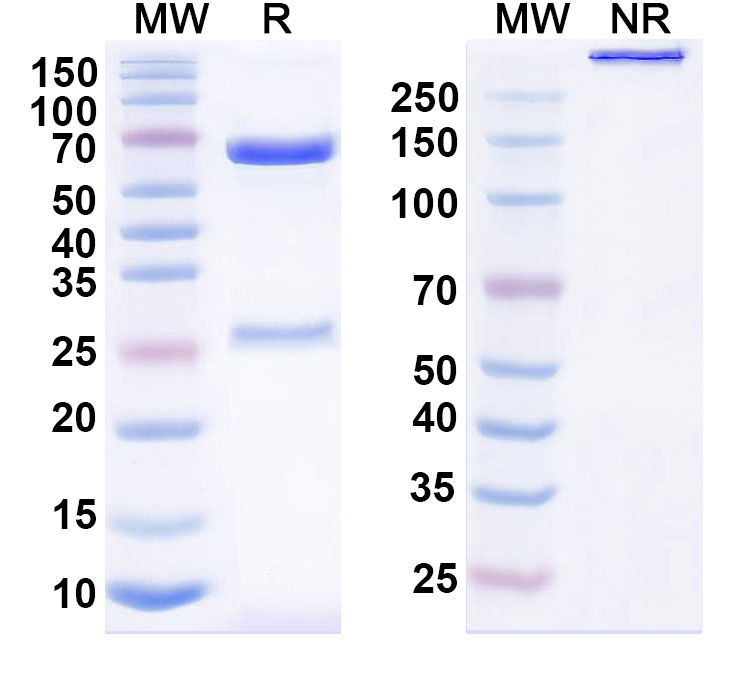
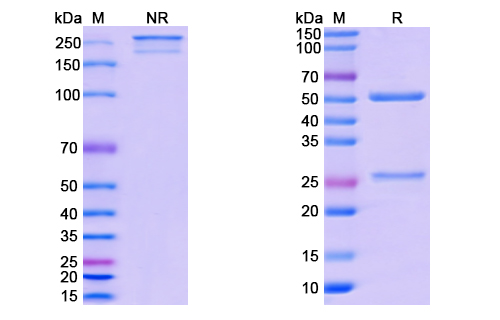
Exlinkibart Biosimilar – Anti-CD137 mAb is a monoclonal antibody, meaning it is produced from a single clone of immune cells. It is a recombinant protein, meaning it is artificially created using genetic engineering techniques. The antibody consists of two identical heavy chains and two identical light chains, each with a unique amino acid sequence. These chains are connected by disulfide bonds and form a Y-shaped structure.
The variable regions of the antibody, also known as the antigen-binding sites, are located at the tips of the Y-shaped structure. These regions are responsible for binding to the specific target, CD137, with high affinity and specificity. The constant regions of the antibody, on the other hand, are responsible for activating immune cells and initiating an immune response.
Activity of Exlinkibart Biosimilar – Anti-CD137 mAb:
The primary function of Exlinkibart Biosimilar – Anti-CD137 mAb is to target and activate CD137, a protein found on the surface of T cells, B cells, and natural killer cells. When the antibody binds to CD137, it triggers a signaling pathway that leads to the activation of immune cells. This activation results in the production of cytokines and other immune mediators, leading to an enhanced immune response against cancer cells.
In addition to its direct activity on immune cells, Exlinkibart Biosimilar – Anti-CD137 mAb also has the potential to induce antibody-dependent cell-mediated cytotoxicity (ADCC). This mechanism involves the binding of the antibody to cancer cells, leading to their destruction by immune cells.
Therapeutic Applications of Exlinkibart Biosimilar – Anti-CD137 mAb:
Exlinkibart Biosimilar – Anti-CD137 mAb has shown promising results in preclinical studies as a potential treatment for various types of cancer. Its ability to activate immune cells and induce ADCC makes it a promising candidate for cancer immunotherapy. In particular, this biosimilar has shown efficacy in treating solid tumors, such as melanoma and lung cancer, as well as hematological malignancies, such as lymphoma and leukemia.
Moreover, Exlinkibart Biosimilar – Anti-CD137 mAb has the potential to be used in combination with other cancer therapies, such as chemotherapy and checkpoint inhibitors. This combination approach can lead to a synergistic effect, enhancing the overall anti-tumor response.
Conclusion:
In conclusion, Exlinkibart Biosimilar – Anti-CD137 mAb is a novel therapeutic antibody with a unique structure and mechanism of action. Its ability to target and activate CD137, as well as induce ADCC, makes it a promising candidate for cancer immunotherapy. With its potential to be used in combination with other cancer treatments, this biosimilar has the potential to improve outcomes for cancer patients. Further clinical studies are needed to fully understand the potential of Exlinkibart Biosimilar – Anti-CD137 mAb and its role in cancer treatment.


There are no reviews yet.