Introduction
Ginisortamab Biosimilar, also known as Anti-CKTSF1B1 monoclonal antibody (mAb), is a promising therapeutic agent that has shown potential in the treatment of various cancers. This biosimilar is a highly specific antibody that targets CKTSF1B1, a protein that is overexpressed in many cancer types. In this article, we will explore the structure, activity, and potential applications of Ginisortamab Biosimilar in cancer treatment.
Structure of Ginisortamab Biosimilar
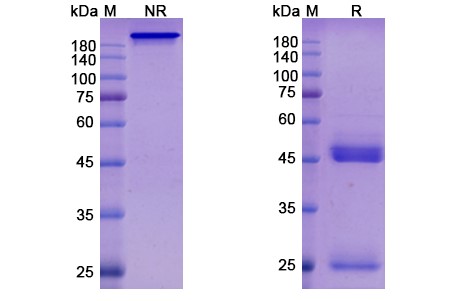
Ginisortamab Biosimilar is a recombinant humanized monoclonal antibody that is produced using advanced genetic engineering techniques. It is composed of two heavy chains and two light chains, each containing a variable region and a constant region. The variable region is responsible for binding to the target protein, CKTSF1B1, while the constant region determines the antibody’s effector functions.
Activity of Ginisortamab Biosimilar
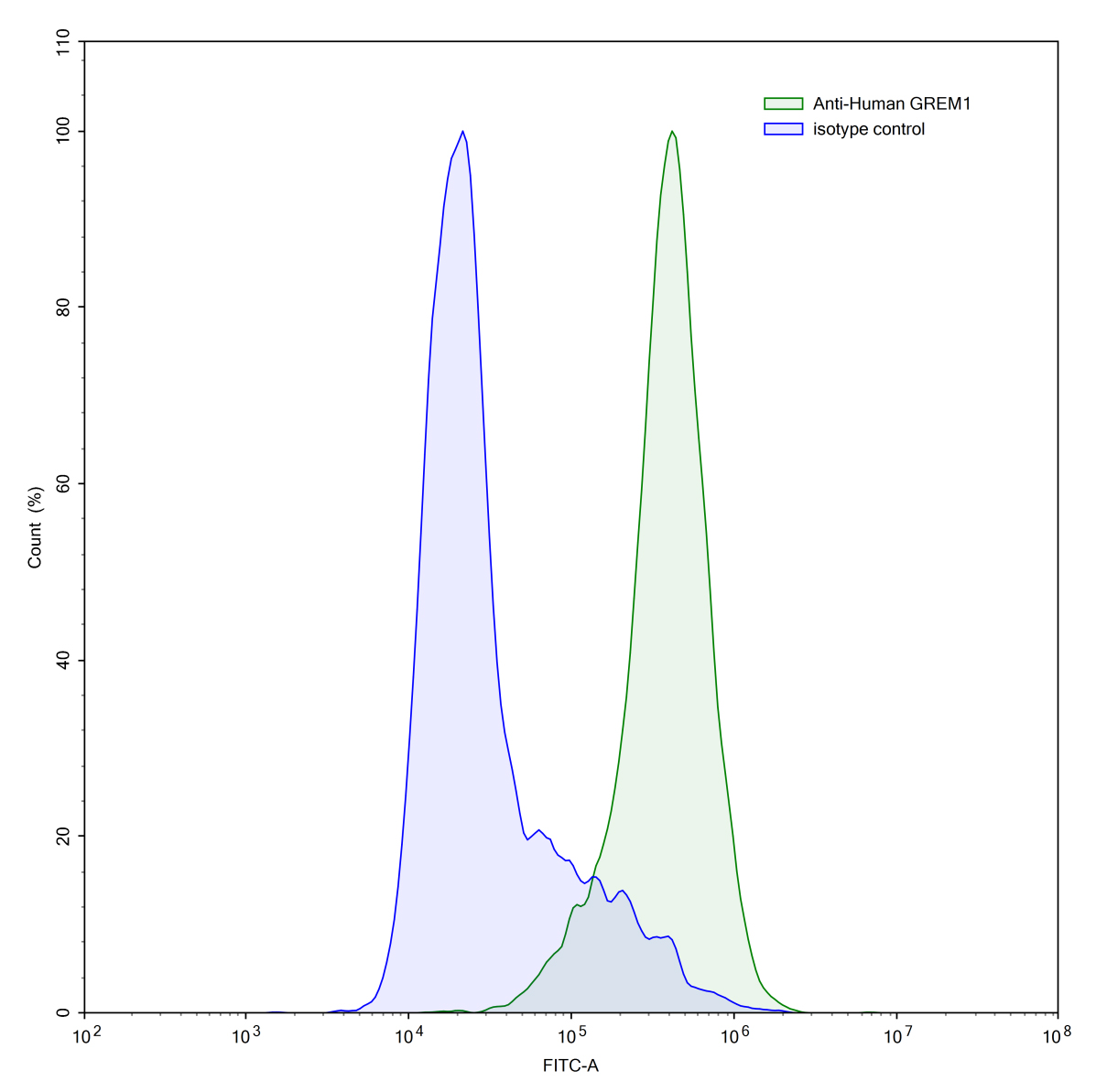
The main activity of Ginisortamab Biosimilar is its ability to bind to CKTSF1B1 with high specificity and affinity. This binding leads to the inhibition of CKTSF1B1 signaling, which plays a crucial role in cancer cell growth and survival. By targeting this protein, Ginisortamab Biosimilar effectively blocks the growth and proliferation of cancer cells, leading to their death.
In addition to its direct anti-tumor activity, Ginisortamab Biosimilar also has immune-modulating effects. It can activate immune cells, such as natural killer (NK) cells and macrophages, to recognize and eliminate cancer cells. This dual mechanism of action makes Ginisortamab Biosimilar a potent anti- cancer agent.
Application of Ginisortamab Biosimilar
Ginisortamab Biosimilar has shown promising results in preclinical studies for the treatment of various cancers, including breast, lung, ovarian, and prostate cancer. It has also shown potential in combination with other cancer therapies, such as chemotherapy and targeted therapy.
One of the unique features of Ginisortamab Biosimilar is its high specificity for CKTSF1B1, which is not expressed in normal tissues. This makes it a safe and well-tolerated treatment option with minimal side effects. Furthermore, its immune-modulating effects make it a potential candidate for use in immunotherapy, which aims to harness the body’s immune system to fight cancer.
Research Grade of Ginisortamab Biosimilar
Ginisortamab Biosimilar is currently in the research grade, which means it is still undergoing preclinical trials and has not yet been approved for clinical use. However, the promising results from preclinical studies have led to the initiation of clinical trials to evaluate its safety and efficacy in cancer patients.
Conclusion
In summary, Ginisortamab Biosimilar is a highly specific and potent monoclonal antibody that targets CKTSF1B1, a protein that is overexpressed in many cancer types. Its dual mechanism of action, as well as its high specificity and tolerability, make it a promising candidate for the treatment of various cancers. As it progresses through clinical trials, Ginisortamab Biosimilar has the potential to become a valuable addition to the arsenal of cancer therapies.



There are no reviews yet.