Introduction
The Human CLDN18.2 CHO Stable Cell Line is a valuable tool for studying the structure, activity, and potential therapeutic applications of the human CLDN18.2 protein. This cell line is derived from Chinese hamster ovary (CHO) cells and has been stably transfected with the human CLDN18.2 gene, allowing for the production of high levels of the CLDN18.2 protein. In this article, we will discuss the structure of CLDN18.2, its role in cellular function, and its potential as a therapeutic target. We will also explore how flow cytometry can be used to analyze this cell line and its applications in research.
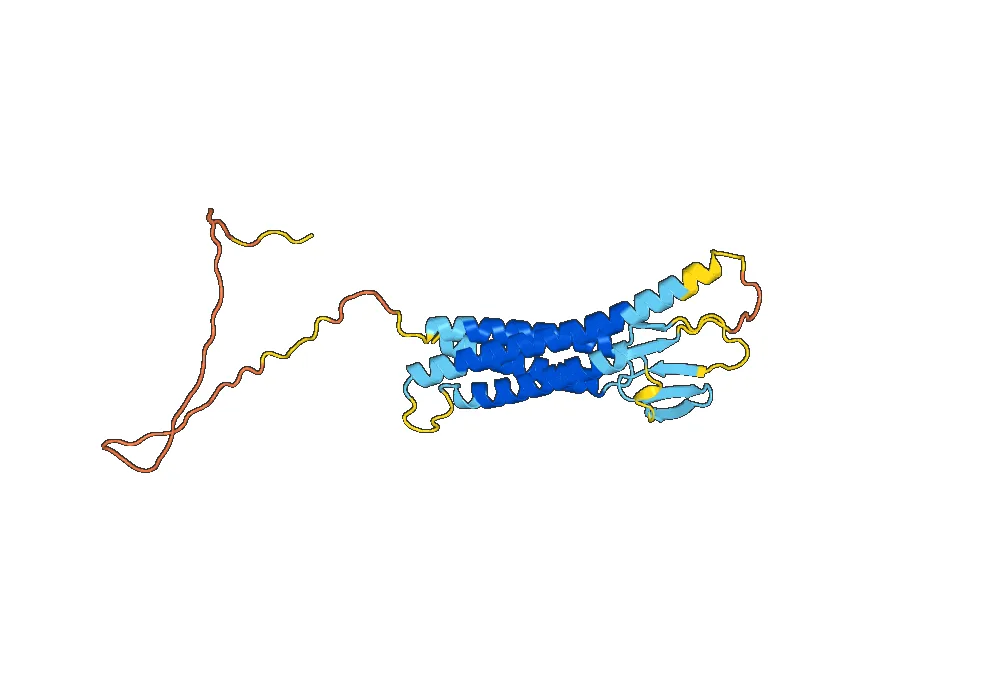
Structure of CLDN18.2
CLDN18.2 is a member of the claudin family of tight junction proteins, which are essential for maintaining the integrity and function of epithelial and endothelial barriers. These proteins are characterized by their four transmembrane domains, two extracellular loops, and a cytoplasmic tail. CLDN18.2 is specifically expressed in the stomach and is involved in regulating paracellular permeability and ion transport.
Activity of CLDN18.2
The primary function of CLDN18.2 is to form tight junctions between adjacent epithelial cells, thereby preventing the passage of molecules and ions between cells. This is crucial for maintaining the selective permeability of the stomach lining and preventing harmful substances from entering the body. In addition, CLDN18.2 has been shown to play a role in cell proliferation, migration, and differentiation, making it an important protein in various cellular processes.
Flow Cytometry Analysis
Flow cytometry is a powerful technique that can be used to analyze the properties of cells, including their size, shape, and protein expression. This technique involves labeling cells with fluorescently tagged antibodies that specifically bind to the protein of interest, in this case, CLDN18.2. The labeled cells are then passed through a flow cytometer, which uses lasers to detect and quantify the fluorescence emitted by each cell. This allows for the rapid and accurate analysis of large numbers of cells.
Therapeutic Target
CLDN18.2 has recently emerged as a promising therapeutic target for the treatment of gastric cancer. It is highly expressed in gastric cancer cells and has been shown to play a crucial role in tumor growth and metastasis. By targeting CLDN18.2, it is possible to disrupt the tight junctions between cancer cells, making them more vulnerable to chemotherapy and other anti-cancer treatments. The Human CLDN18.2 CHO Stable Cell Line can be used to study the mechanisms of CLDN18.2 in cancer progression and to screen potential drugs that target this protein.
Applications
The Human CLDN18.2 CHO Stable Cell Line has a wide range of applications in research. It can be used to study the structure and function of CLDN18.2 in normal and diseased cells, as well as in various cellular processes. In addition, this cell line can be used to screen and develop drugs that target CLDN18.2 for the treatment of gastric cancer and other diseases. The use of flow cytometry to analyze this cell line allows for high-throughput and detailed analysis, making it a valuable tool for researchers.
Conclusion
The Human CLDN18.2 CHO Stable Cell Line is a valuable resource for studying the structure, activity, and potential therapeutic applications of CLDN18.2. This cell line allows for the production of high levels of CLDN18.2, which can be used for various research purposes. The use of flow cytometry to analyze this cell line provides a powerful tool for studying the properties of CLDN18.2 and its role in disease. With its potential as a therapeutic target for gastric cancer, the Human CLDN18.


There are no reviews yet.