Introduction to Human MSLN/Mesothelin HEK293T Stable Cell Line
The Human MSLN/Mesothelin HEK293T Stable Cell Line is a valuable tool for studying the structure, activity, and potential therapeutic applications of the mesothelin protein. This cell line is derived from human embryonic kidney cells (HEK293T) and stably expresses the mesothelin gene, allowing for consistent and reliable production of this protein for research purposes. In this article, we will explore the structure, activity, and potential therapeutic applications of the Human MSLN/Mesothelin HEK293T Stable Cell Line.
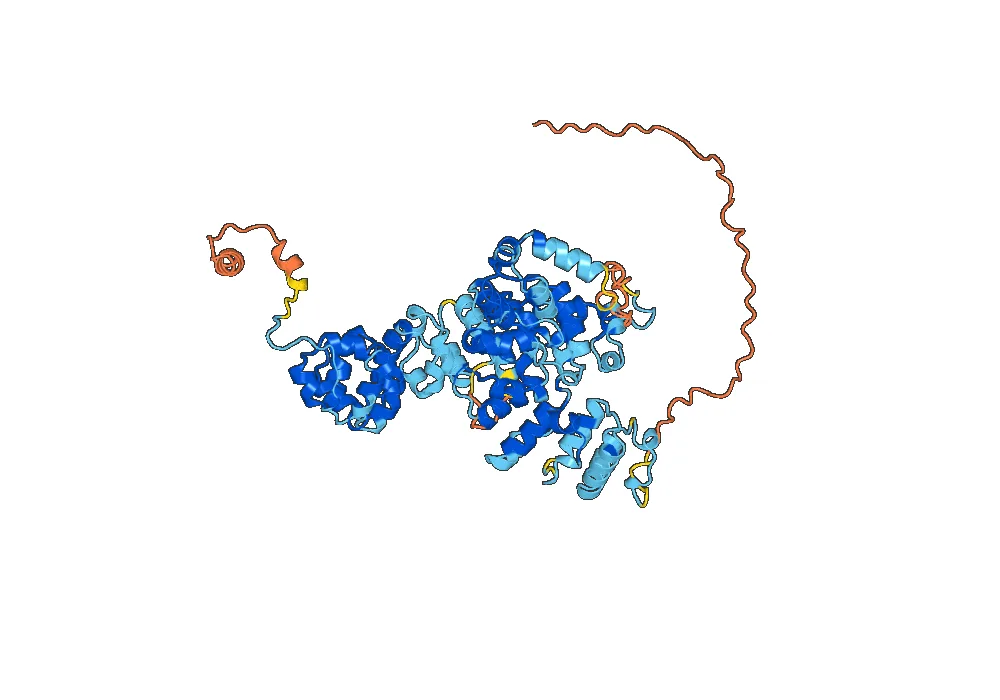
Structure of Mesothelin Protein
Mesothelin is a glycoprotein that is primarily expressed on the surface of mesothelial cells, which line the body’s internal organs and cavities. It is composed of 71 kDa precursor protein that is cleaved into two subunits: a 31 kDa N-terminal megakaryocyte potentiating factor (MPF) and a 40 kDa C-terminal mesothelin protein. The mesothelin protein contains a glycosylphosphatidylinositol (GPI) anchor, which attaches it to the cell membrane. This unique structure makes mesothelin an ideal target for therapeutic interventions.
Activity of Mesothelin Protein
Mesothelin has been found to play a role in cell adhesion, proliferation, and migration. It is also involved in the formation of tumors and has been shown to be overexpressed in various cancers, including mesothelioma, ovarian cancer, and pancreatic cancer. Mesothelin has been found to interact with other proteins, such as mucin 16, which is thought to contribute to its role in cancer development. Additionally, mesothelin has been found to have immunosuppressive properties, making it an attractive target for immunotherapy treatments.
Application of Human MSLN/Mesothelin HEK293T Stable Cell Line
The Human MSLN/Mesothelin HEK293T Stable Cell Line has several applications in scientific research, particularly in the study of mesothelin and its potential therapeutic applications. One major application is the production of recombinant mesothelin protein for use in various experiments. This cell line can be used to study the structure and function of mesothelin, as well as its interactions with other proteins. Additionally, the Human MSLN/Mesothelin HEK293T Stable Cell Line can be used in drug screening assays to identify potential inhibitors or activators of mesothelin activity.
Flow Cytometry Analysis
Flow cytometry is a powerful technique that allows for the analysis of individual cells based on their physical and chemical characteristics. The Human MSLN/Mesothelin HEK293T Stable Cell Line can be used in flow cytometry experiments to study the expression of mesothelin on the cell surface. This can provide valuable insights into the regulation of mesothelin expression and its potential role in disease development.
Therapeutic Target for Cancer Treatment
The overexpression of mesothelin in various cancers makes it an attractive therapeutic target for cancer treatment. The Human MSLN/Mesothelin HEK293T Stable Cell Line can be used to study the effectiveness of potential mesothelin-targeted therapies, such as monoclonal antibodies or chimeric antigen receptor (CAR) T-cell therapy. This cell line can also be used to investigate the mechanisms of action of these potential treatments and identify potential resistance mechanisms.
Future Directions
The Human MSLN/Mesothelin HEK293T Stable Cell Line has already been used in various studies and has shown great potential for further research. As the understanding of mesothelin and its role in cancer continues to evolve, this cell line will likely play a crucial role in the development of new treatments and therapies.

There are no reviews yet.