Introduction
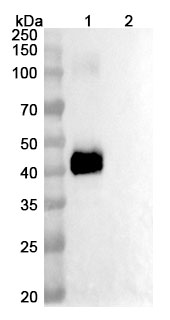
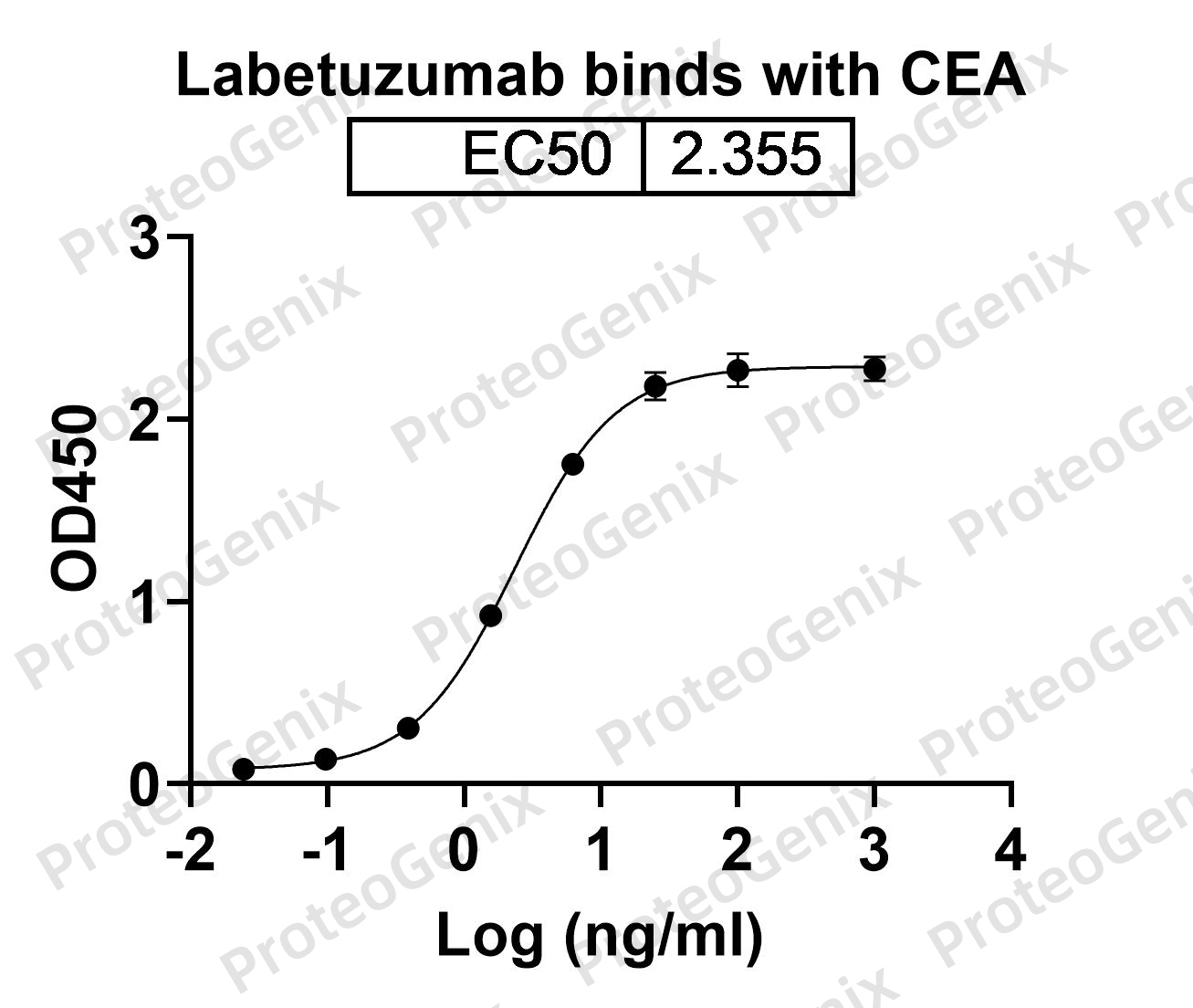
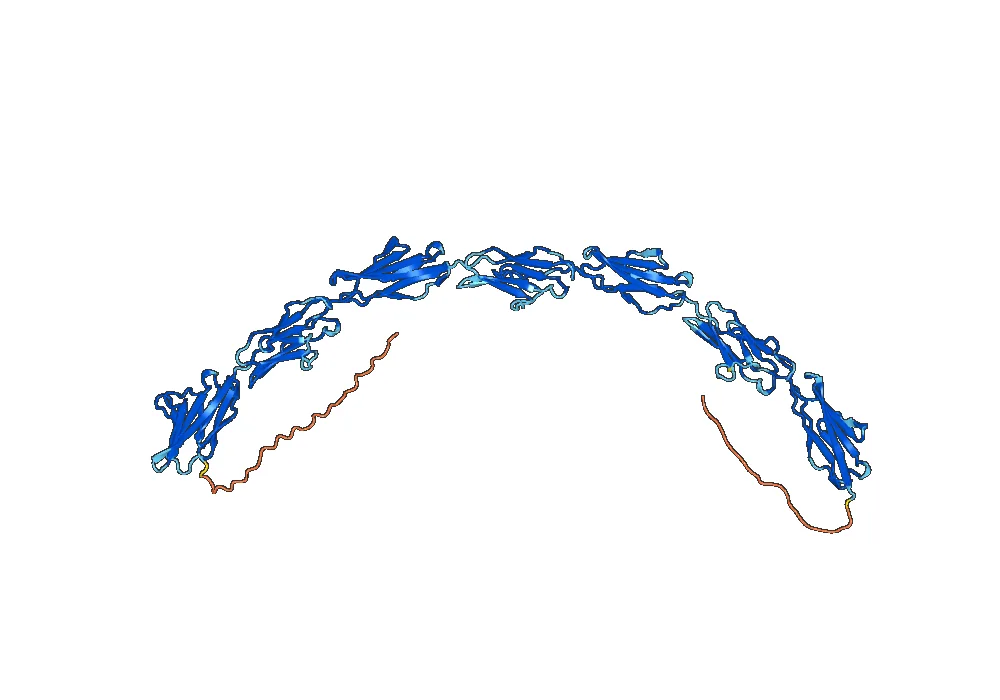
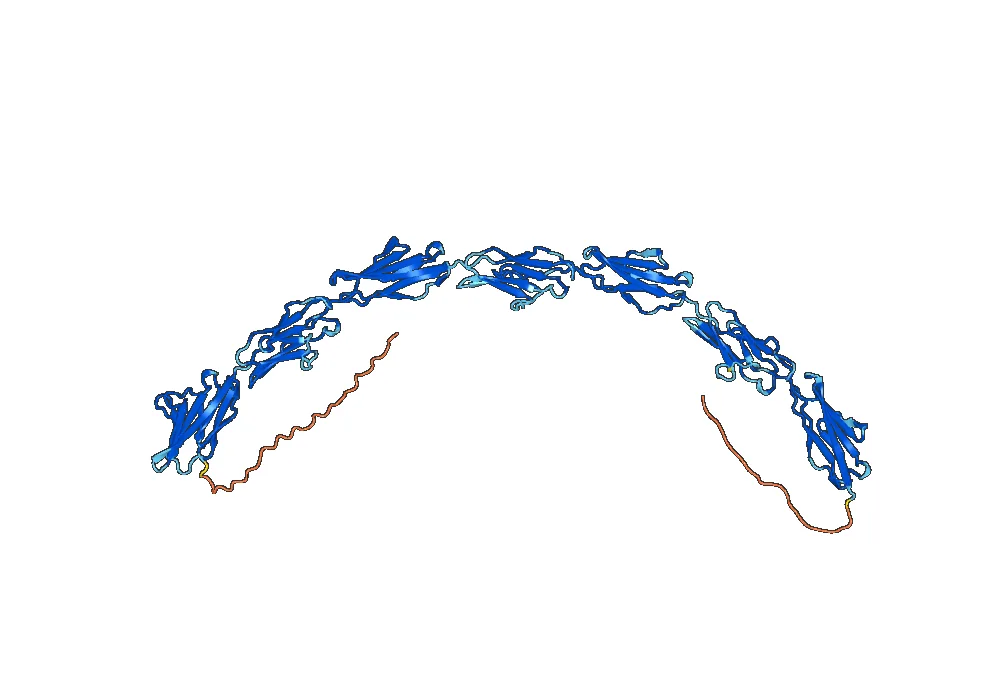
Labetuzumab biosimilar, also known as anti-CEACAM5 monoclonal antibody (mAb), is a promising therapeutic agent that has been developed as a biosimilar to the original Labetuzumab. This biosimilar is a highly specific and potent antibody that targets the carcinoembryonic antigen-related cell adhesion molecule 5 (CEACAM5), which is a well-known tumor-associated antigen. In this article, we will discuss the structure, activity, and potential applications of Labetuzumab biosimilar in the field of cancer research.
Structure of Labetuzumab Biosimilar
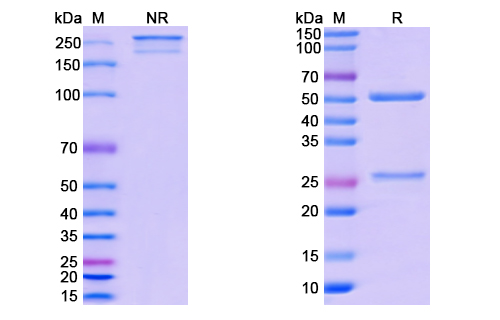
Labetuzumab biosimilar is a recombinant humanized IgG1 monoclonal antibody that has been specifically designed to target CEACAM5. It is composed of two heavy chains and two light chains, each containing a variable and constant region. The variable region of Labetuzumab biosimilar is responsible for its high specificity towards CEACAM5, while the constant region mediates its effector functions. The antibody also contains a hinge region, which allows for flexibility and binding to the target antigen.
Activity of Labetuzumab Biosimilar
Labetuzumab biosimilar exerts its activity by binding to CEACAM5, which is overexpressed on the surface of various cancer cells, including colorectal, pancreatic, and lung cancer cells. The binding of Labetuzumab biosimilar to CEACAM5 leads to the activation of various signaling pathways, including the PI3K/AKT and MAPK pathways, resulting in the inhibition of tumor growth and proliferation. Additionally, Labetuzumab biosimilar also induces antibody-dependent cell-mediated cytotoxicity (ADCC) and complement-dependent cytotoxicity (CDC), which further enhances its anti-tumor activity.
Applications of Labetuzumab Biosimilar
Labetuzumab biosimilar has shown promising results in preclinical studies and is currently being evaluated in clinical trials for the treatment of various types of cancer. Its high specificity towards CEACAM5 makes it a potential therapeutic option for cancers that overexpress this antigen. The most common application of Labetuzumab biosimilar is in the treatment of colorectal cancer, where CEACAM5 is highly expressed. It has also shown potential in the treatment of other solid tumors, such as pancreatic and lung cancer.
In addition to its use as a monotherapy, Labetuzumab biosimilar has also been studied in combination with other anti- cancer agents. Studies have shown that combining Labetuzumab biosimilar with chemotherapy or other targeted therapies can enhance its anti-tumor activity and improve treatment outcomes. This makes Labetuzumab biosimilar a promising candidate for combination therapy in the future.
Research Grade Labetuzumab Biosimilar
Apart from its potential as a therapeutic agent, Labetuzumab biosimilar is also available in a research grade form for use in laboratory research. This research grade antibody can be used in various in vitro and in vivo studies to further understand the mechanism of action of Labetuzumab biosimilar and its potential applications in different cancer types. Its high specificity and potency make it a valuable tool for researchers studying CEACAM5 and its role in cancer.
Conclusion
In summary, Labetuzumab biosimilar is a highly specific and potent antibody that targets CEACAM5, a tumor-associated antigen that is overexpressed in various types of cancer. Its unique structure and mechanism of action make it a promising therapeutic agent for the treatment of solid tumors, particularly colorectal cancer. Further research and clinical trials are needed to fully evaluate the potential of Labetuzumab biosimilar in the field of cancer therapy. Additionally, its availability in a research grade form makes it a valuable tool for further research and development in this area.


There are no reviews yet.