Leronlimab Biosimilar: A Promising Anti-CCR5 Antibody for Therapeutic Targeting of CD195 Leronlimab Biosimilar, also known as PRO 140, is a novel monoclonal antibody (mAb) that targets the C-C chemokine receptor type 5 (CCR5) protein. CCR5 is a cell surface receptor that plays a crucial role in various physiological and pathological processes, including immune response, inflammation, and viral infection. Leronlimab Biosimilar has shown promising results in preclinical and clinical studies as a potential therapeutic agent for a wide range of diseases, making it a highly sought-after antibody in the field of biotechnology.
Structure of Leronlimab Biosimilar
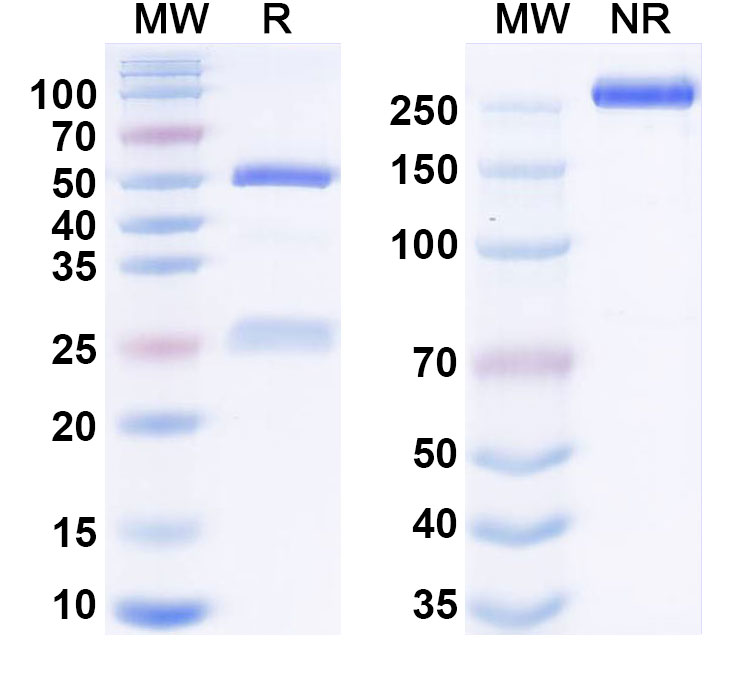
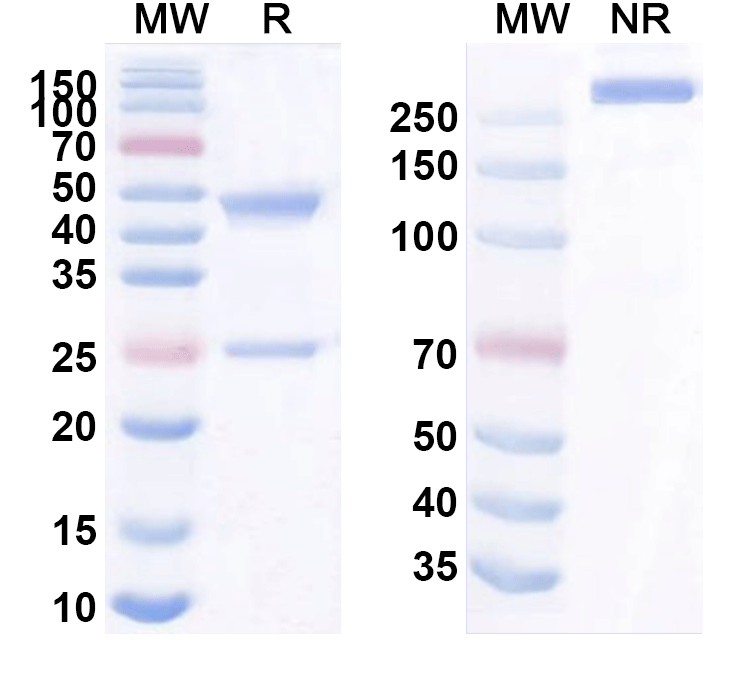
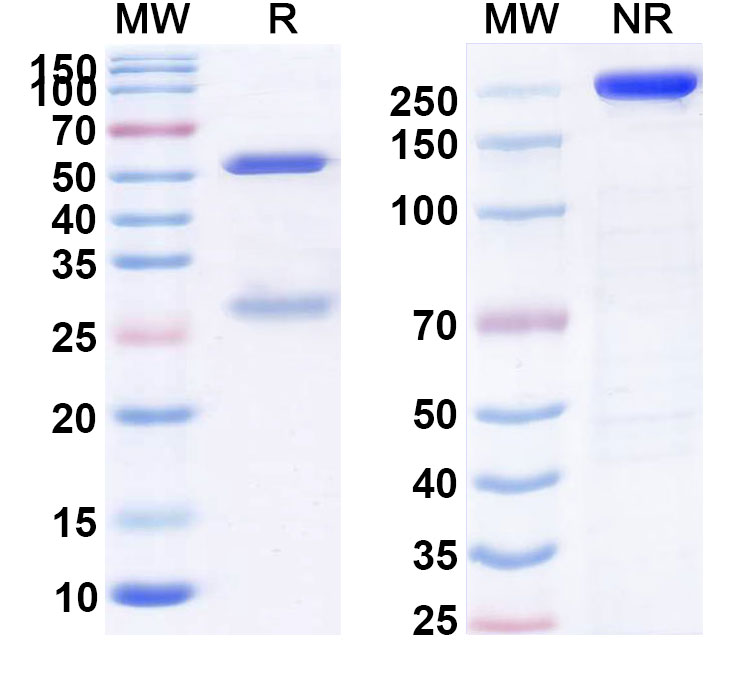
Leronlimab Biosimilar is a humanized IgG4 mAb that is derived from the original PRO 140 antibody. It is composed of two heavy chains and two light chains, each containing a variable region and a constant region. The variable region of the antibody is responsible for binding to its target, while the constant region determines the effector functions of the antibody.
The binding site of Leronlimab Biosimilar is located in the variable region of the heavy chain, specifically in the complementarity-determining regions (CDRs). These regions are highly diverse and allow the antibody to recognize and bind to its target with high specificity. The CDRs of Leronlimab Biosimilar have been engineered to have a strong affinity for CCR5, making it a potent inhibitor of CCR5 signaling.
Mechanism of Action
Leronlimab Biosimilar exerts its therapeutic effects by blocking the interaction between CCR5 and its ligands, such as chemokines and viral proteins. CCR5 is primarily expressed on the surface of immune cells, including T cells, macrophages, and dendritic cells. Upon activation, CCR5 mediates the recruitment and activation of these cells at sites of inflammation or infection.
By binding to CCR5, Leronlimab Biosimilar prevents the binding of its ligands, thus inhibiting the recruitment and activation of immune cells. This leads to a decrease in inflammation and immune response, making it an effective treatment for various inflammatory and autoimmune diseases. Moreover, by blocking CCR5, Leronlimab Biosimilar also prevents the entry of HIV into host cells, making it a potential therapeutic agent for HIV infection.
Applications of Leronlimab Biosimilar
Leronlimab Biosimilar has shown promising results in preclinical and clinical studies as a potential treatment for various diseases. Its main applications include:
- Inflammatory Diseases: Leronlimab Biosimilar has been shown to be effective in treating inflammatory diseases such as rheumatoid arthritis, psoriasis, and multiple sclerosis. By inhibiting CCR5 signaling, it reduces inflammation and provides relief from symptoms.
- HIV Infection: As a potent inhibitor of CCR5, Leronlimab Biosimilar has shown promising results in clinical trials for the treatment of HIV infection. It has been shown to decrease viral load and increase CD4+ T cell counts in HIV-infected individuals.
- Cancer: CCR5 has been found to be overexpressed in various types of cancer, including breast, lung, and pancreatic cancer. Leronlimab Biosimilar has shown potential as a cancer therapy by inhibiting CCR5 signaling and reducing tumor growth and metastasis.
- COVID-19: Leronlimab Biosimilar has recently gained attention as a potential treatment for COVID-19. By inhibiting CCR5, it may prevent the cytokine storm and immune dysregulation that is seen in severe cases of COVID-19.
Conclusion Leronlimab Biosimilar, a novel anti-CCR5

There are no reviews yet.