Introduction
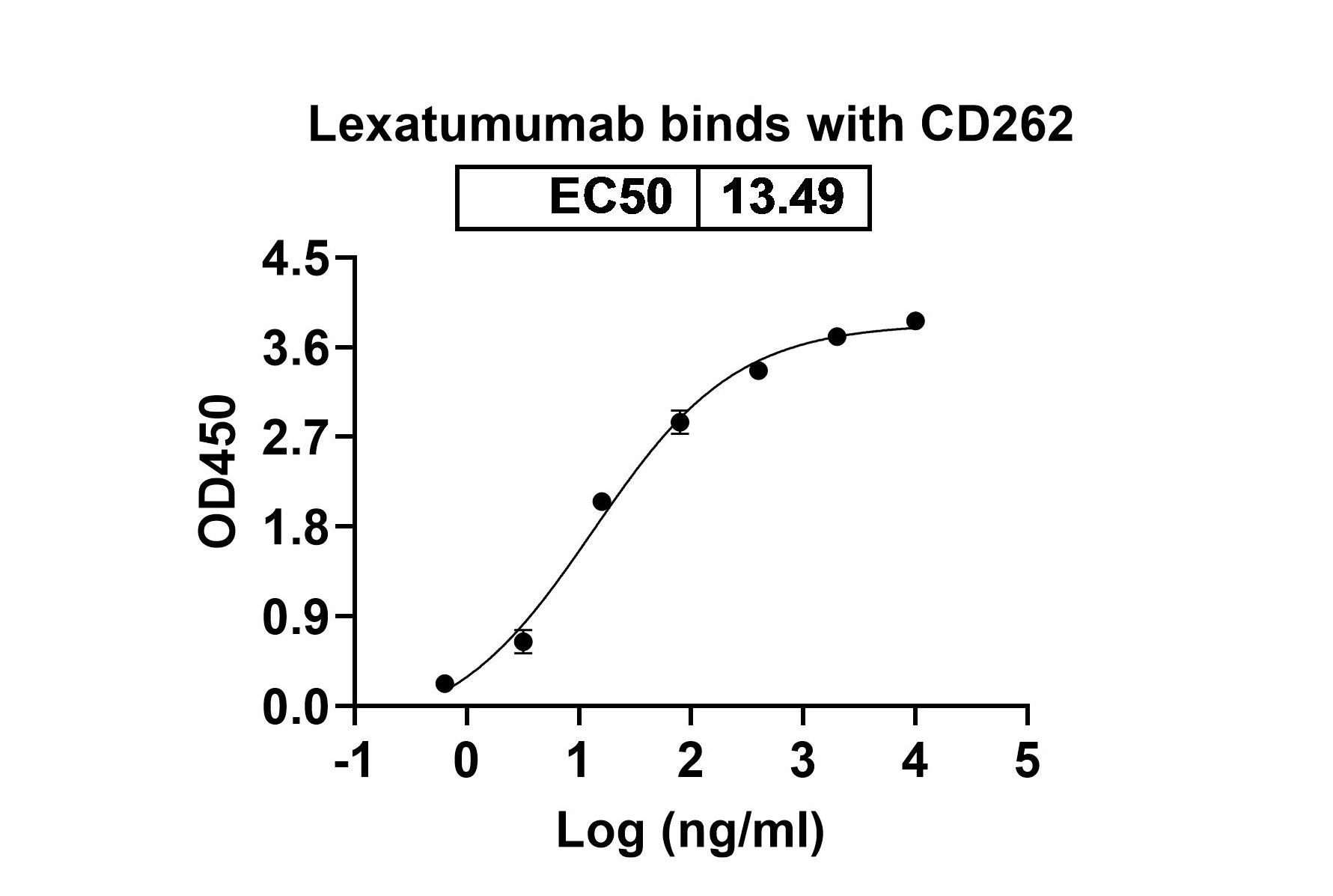
Lexatumumab Biosimilar is a monoclonal antibody (mAb) that specifically targets TNFRSF10B, also known as CD262. This mAb has shown promising results in pre-clinical studies and is currently being developed as a potential therapeutic agent for various diseases. In this article, we will discuss the structure, activity, and potential applications of Lexatumumab Biosimilar.
Structure of Lexatumumab Biosimilar
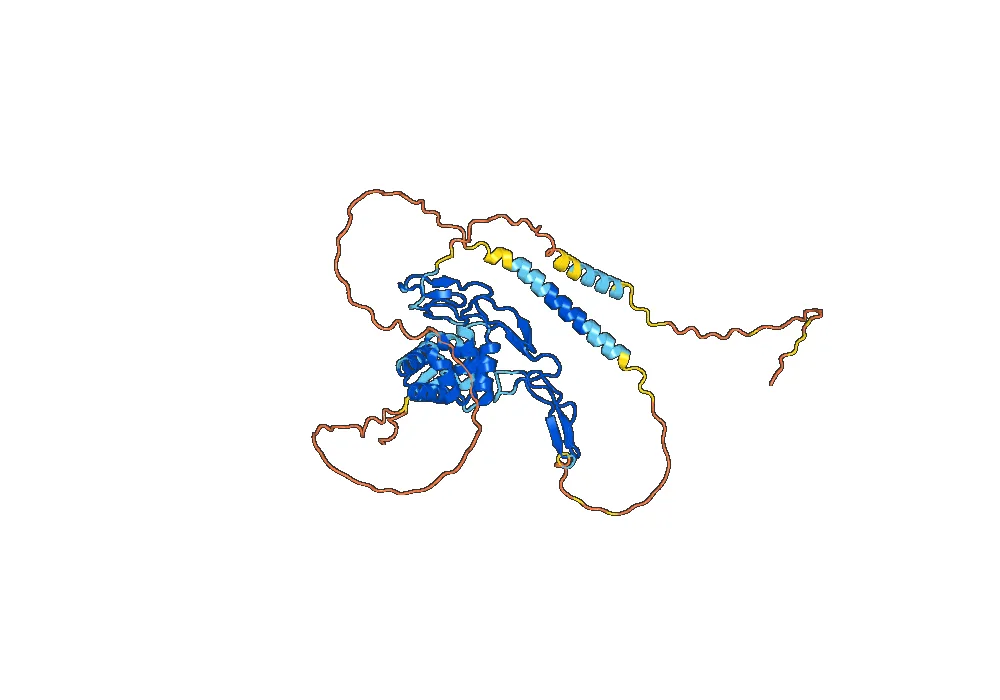
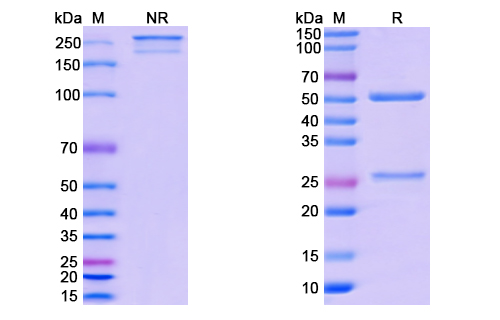
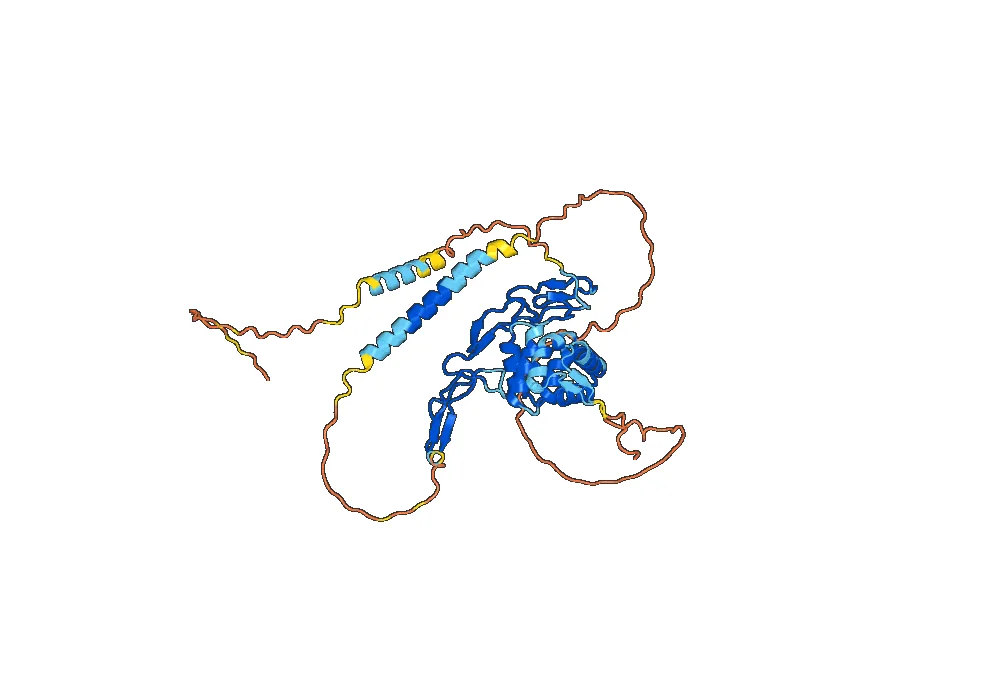
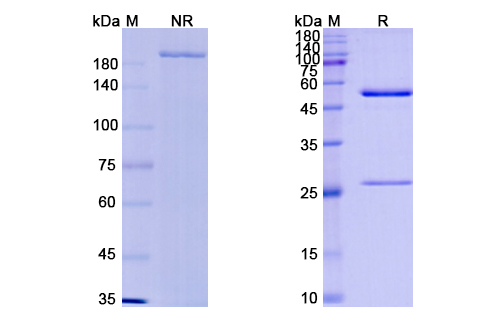
Lexatumumab Biosimilar is a humanized IgG1 monoclonal antibody that is produced through recombinant DNA technology. It consists of two identical heavy chains and two identical light chains, each with a molecular weight of approximately 150 kDa. The heavy and light chains are connected by disulfide bonds and the antibody has a Y-shaped structure. The variable regions of the antibody are responsible for binding to TNFRSF10B, while the constant regions determine the effector functions of the antibody.
Activity of Lexatumumab Biosimilar
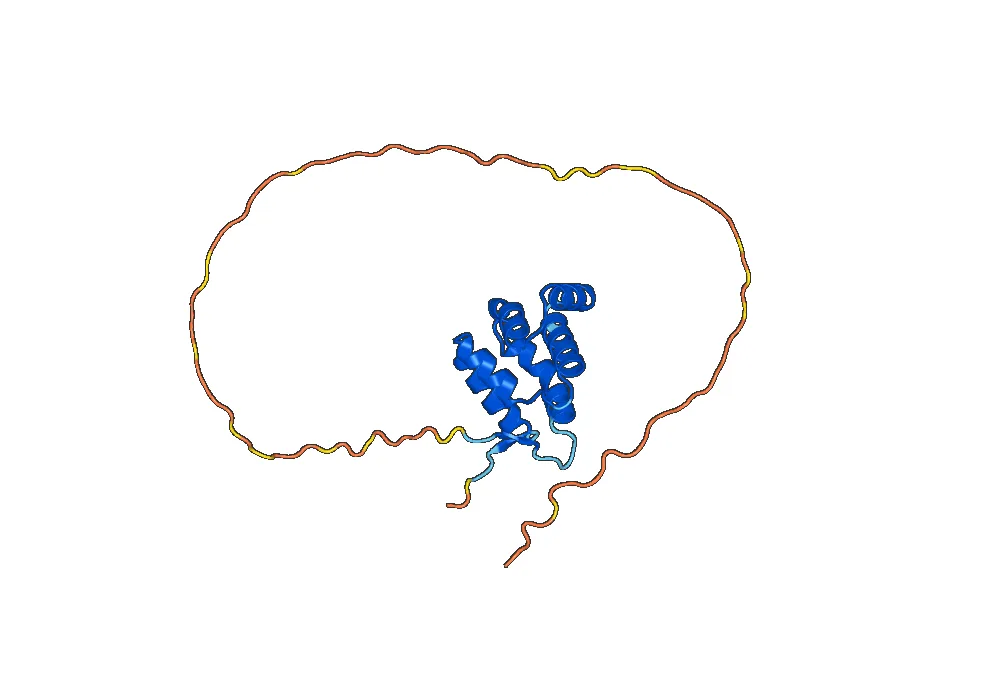
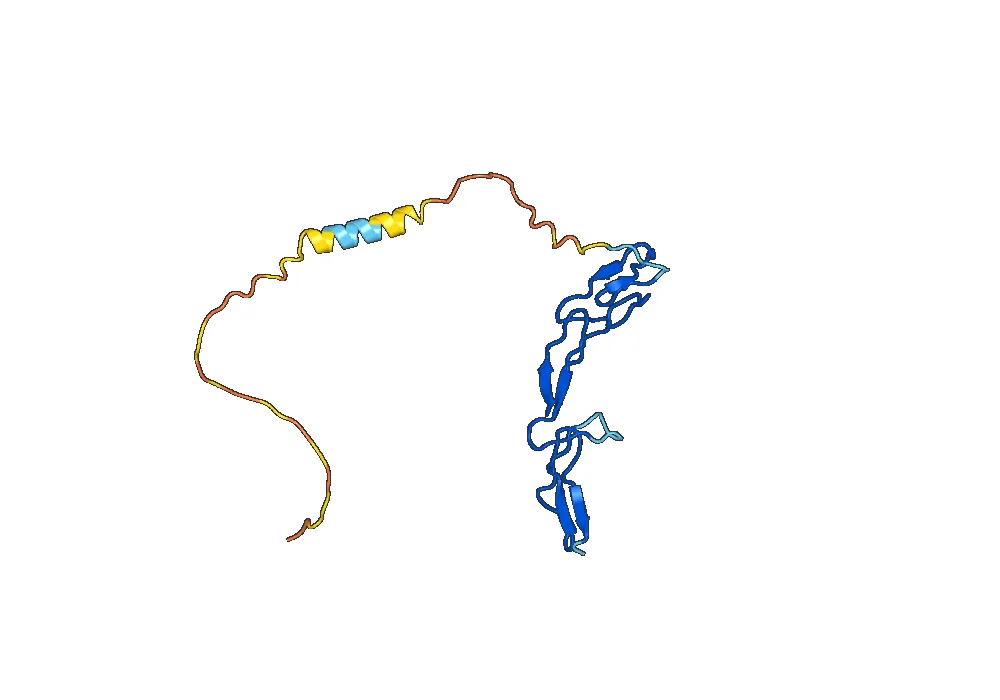
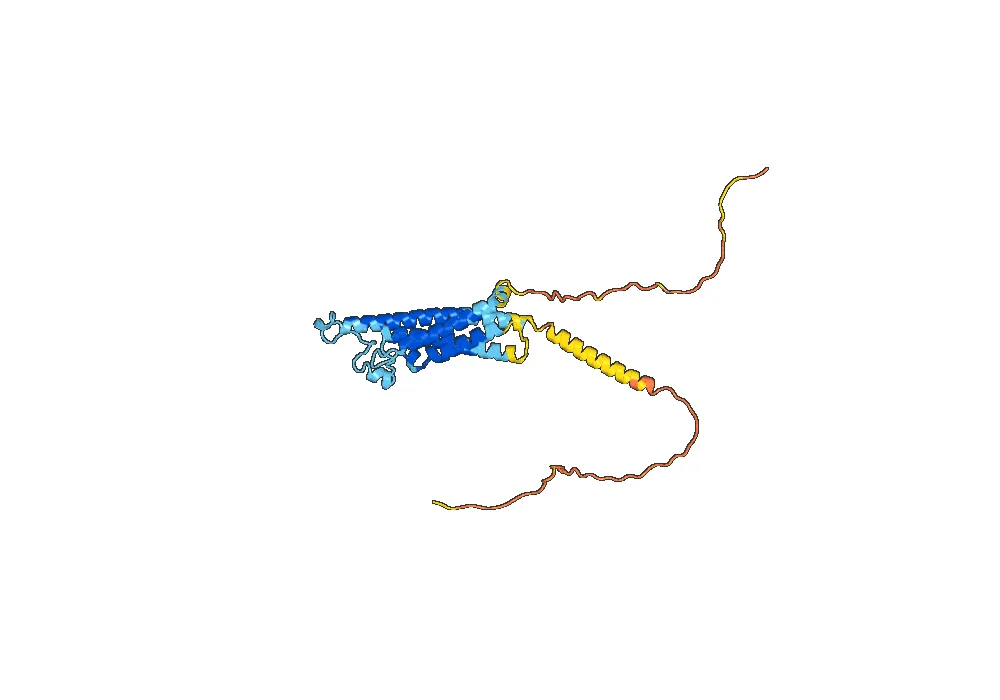
Lexatumumab Biosimilar binds specifically to TNFRSF10B, a member of the tumor necrosis factor receptor superfamily. TNFRSF10B is a cell surface receptor that is expressed on various cell types, including tumor cells. Upon binding to TNFRSF10B, Lexatumumab Biosimilar activates the apoptotic pathway, leading to programmed cell death in the target cells. This mechanism of action makes Lexatumumab Biosimilar a potential therapeutic agent for diseases characterized by uncontrolled cell growth, such as cancer.
Potential Applications of Lexatumumab Biosimilar
1.
Cancer therapy: As mentioned earlier, Lexatumumab Biosimilar has shown promising results in pre-clinical studies as a potential anti- cancer agent. It has been shown to induce apoptosis in a variety of cancer cell lines, including breast, lung, and colon cancer. Furthermore, combination therapy with other anti- cancer agents has been shown to enhance the efficacy of Lexatumumab Biosimilar.
2. Autoimmune diseases: TNFRSF10B has been implicated in the pathogenesis of various autoimmune diseases, such as rheumatoid arthritis and multiple sclerosis. By targeting TNFRSF10B, Lexatumumab Biosimilar has the potential to modulate the immune response and provide therapeutic benefits in these diseases.
3.
Infectious diseases: TNFRSF10B has also been found to play a role in the immune response against viral infections. By activating the apoptotic pathway, Lexatumumab Biosimilar may help in eliminating virus-infected cells and controlling the spread of infection.
4. Organ transplantation:
Transplant rejection is a major challenge in organ transplantation. TNFRSF10B has been shown to be involved in the rejection process by promoting the death of transplanted cells. By targeting TNFRSF10B, Lexatumumab Biosimilar may help in preventing transplant rejection and improving the success rates of organ transplantation.
Conclusion
Lexatumumab Biosimilar is a promising therapeutic agent that specifically targets TNFRSF10B. Its unique mechanism of action makes it a potential treatment option for various diseases, including cancer, autoimmune diseases, infectious diseases, and organ transplantation. Further studies and clinical trials are needed to fully explore the potential of Lexatumumab Biosimilar in the treatment of these diseases.

There are no reviews yet.