Introduction
Mozistobart Biosimilar – Anti-Sialic acid-binding Ig-like lectin 2 mAb is a therapeutic antibody that has been developed as a potential treatment for various diseases. This biosimilar is a research grade version of the original drug, which means it is intended for use in laboratory research and not for human use. In this article, we will discuss the structure, activity, and potential applications of this biosimilar.
Structure of Mozistobart Biosimilar
Mozistobart Biosimilar is a monoclonal antibody (mAb) that specifically targets the protein Sialic acid-binding Ig-like lectin 2 (Siglec-2). It is a biosimilar of the original drug, which was developed to target the same protein. The biosimilar is produced using recombinant DNA technology, where the gene for the antibody is inserted into a host cell, such as a Chinese hamster ovary (CHO) cell, to produce large quantities of the antibody.
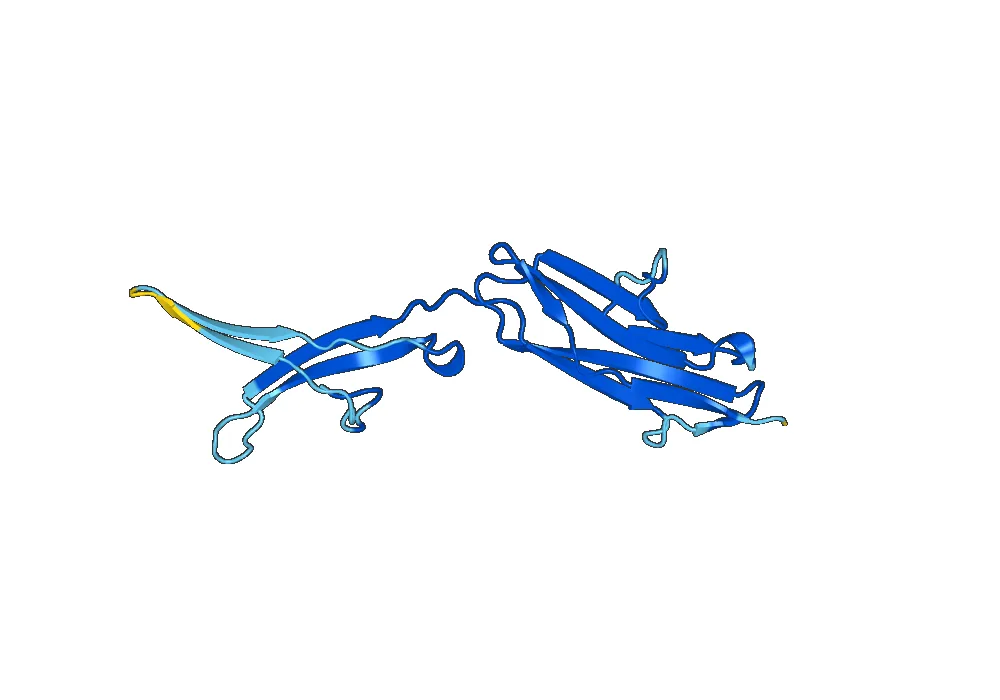
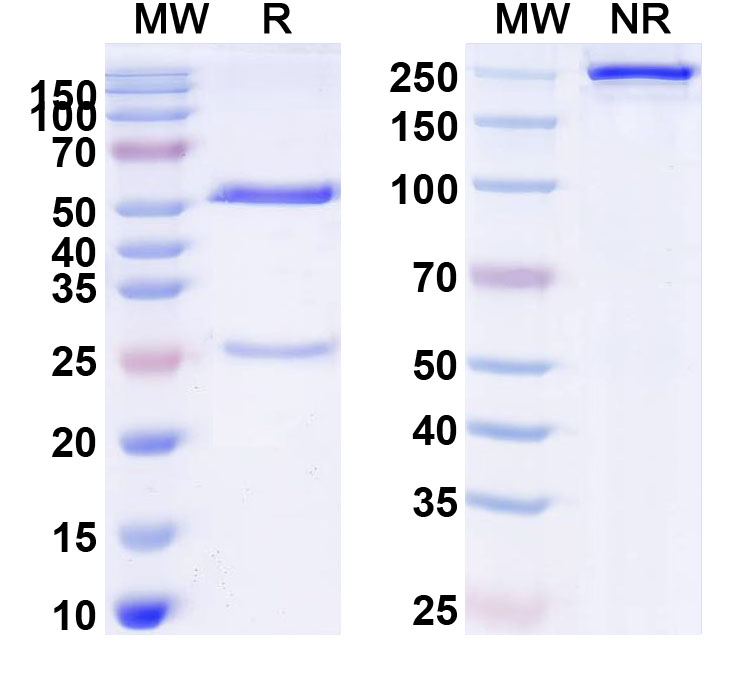
The structure of Mozistobart Biosimilar is similar to that of the original drug, with a few minor differences. It is a Y-shaped molecule, with two identical heavy chains and two identical light chains. The heavy chains are composed of constant and variable regions, while the light chains only have a variable region. The variable regions of both the heavy and light chains are responsible for binding to the target protein, Siglec-2.
Activity of Mozistobart Biosimilar
The main activity of Mozistobart Biosimilar is to bind to the protein Siglec-2, which is found on the surface of certain cells in the immune system. This binding inhibits the activity of Siglec-2, which is known to play a role in regulating immune responses. By inhibiting Siglec-2, Mozistobart Biosimilar can potentially modulate the immune response and provide therapeutic benefits.
In addition to its primary activity, Mozistobart Biosimilar also has other functions. It can activate the complement system, which is a part of the immune system that helps to destroy pathogens and infected cells. This activation of the complement system can enhance the efficacy of the antibody in fighting diseases.
Therapeutic Target of Mozistobart Biosimilar
The therapeutic target of Mozistobart Biosimilar is the protein Siglec-2, which is found on the surface of B cells and other immune cells. Siglec-2 is a type of receptor that plays a role in regulating immune responses. It is known to bind to sialic acid, a type of sugar that is found on the surface of cells. By targeting Siglec-2, Mozistobart Biosimilar can potentially modulate the immune response and provide therapeutic benefits in diseases where Siglec-2 is overactive.
Potential Applications of Mozistobart Biosimilar
Mozistobart Biosimilar has the potential to be used in the treatment of various diseases where Siglec-2 is involved. Some of these diseases include autoimmune disorders, such as rheumatoid arthritis and lupus, where the immune system attacks the body’s own tissues. By inhibiting Siglec-2, Mozistobart Biosimilar can potentially reduce the activity of the immune system and alleviate symptoms of these diseases.
In addition, Mozistobart Biosimilar may also have potential applications in cancer treatment. Siglec-2 has been found to be overexpressed in certain types of cancer, such as B-cell lymphoma and leukemia. By targeting Siglec-2, Mozistobart Biosimilar can potentially inhibit the growth and survival of cancer cells and improve the efficacy of other cancer treatments.
Conclusion
Mozistobart Biosimilar – Anti-Sialic acid-binding Ig-like lectin 2 mAb – Research Grade is a promising therapeutic antibody that has the potential to treat various diseases. Its structure, activity, and therapeutic target make it a valuable tool in laboratory research for understanding and potentially treating diseases involving Siglec-2. With further research and development, Moz

There are no reviews yet.