Introduction
Nofazinlimab Biosimilar, also known as Anti-PD1 mAb, is a research grade antibody that has shown promising results in the treatment of various diseases. In this article, we will explore the structure, activity, and applications of this antibody in the field of therapeutics.
Structure of Nofazinlimab Biosimilar
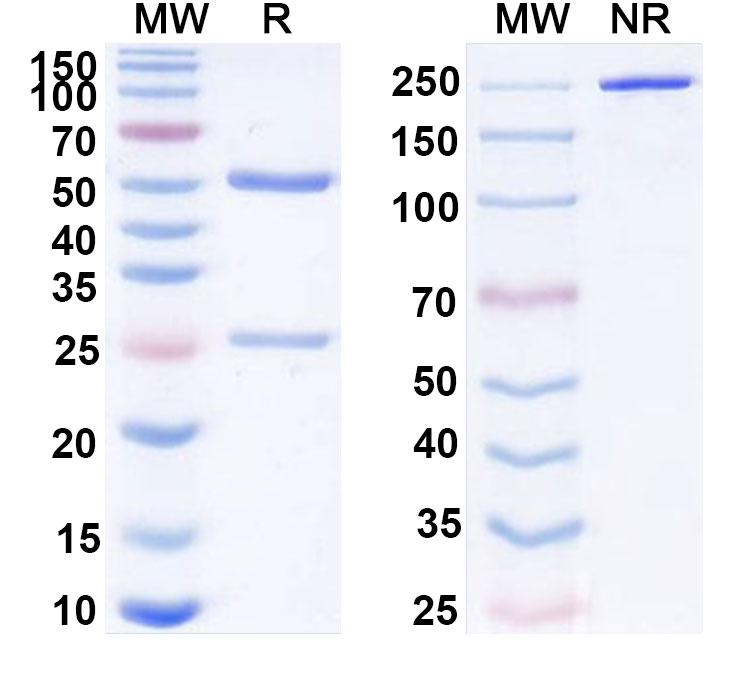
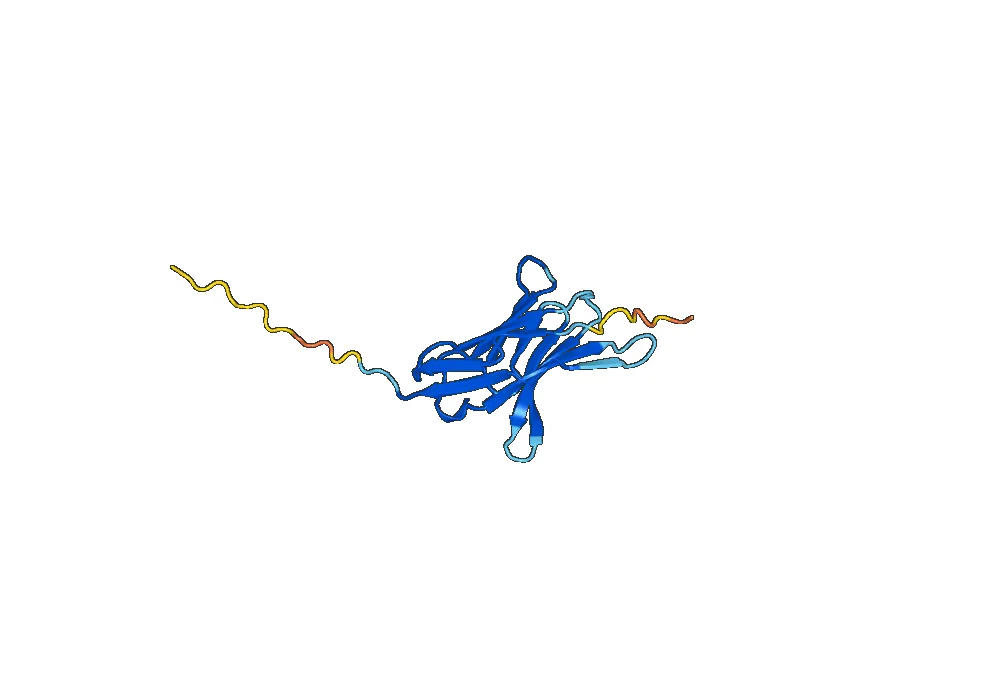
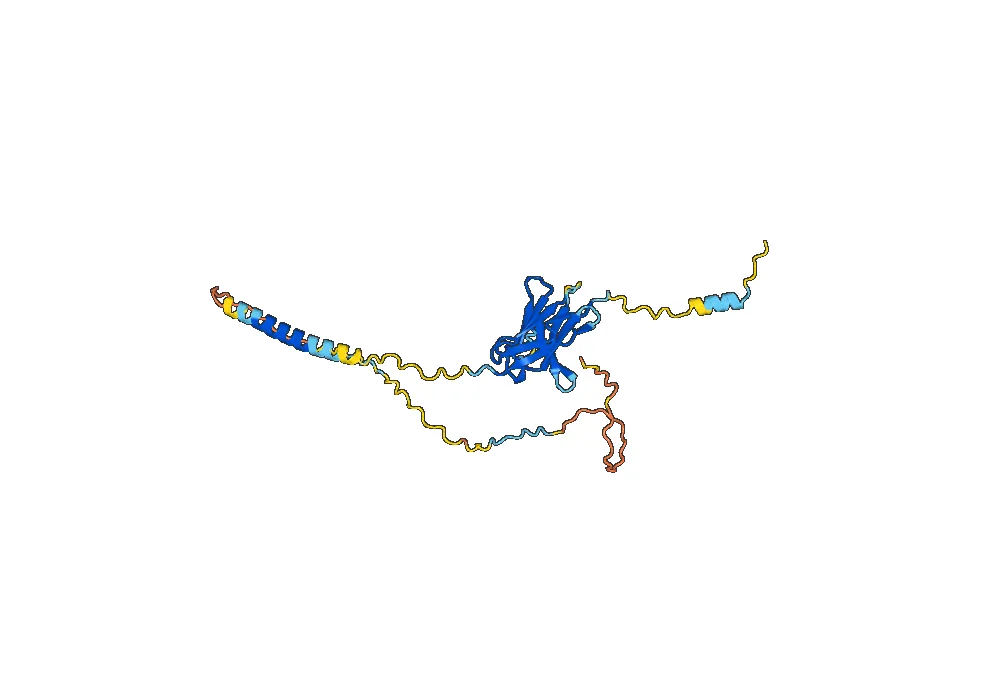
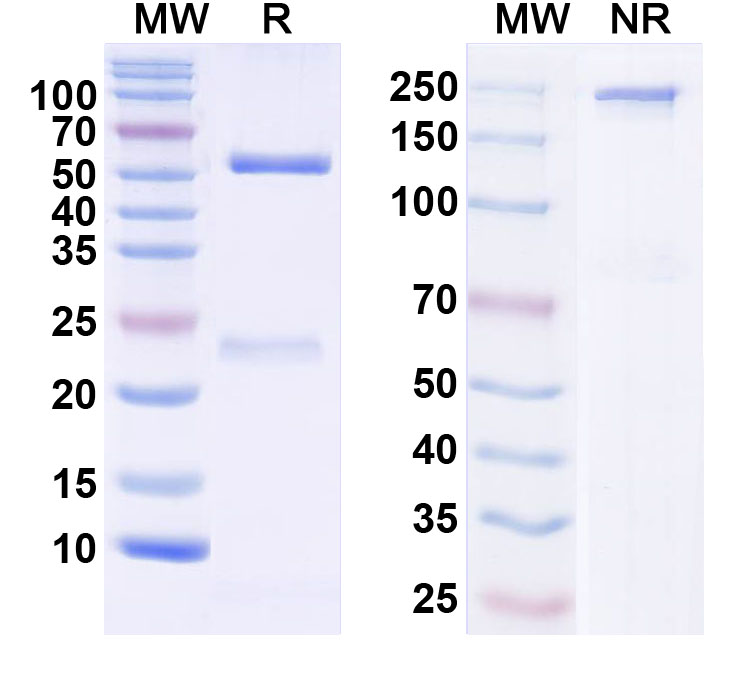
Nofazinlimab Biosimilar is a monoclonal antibody (mAb) that specifically targets the programmed death-1 (PD-1) receptor. It is a fully humanized IgG4 antibody, meaning that it is composed of human immunoglobulin G4 molecules. The antibody has a molecular weight of approximately 150 kDa and consists of two heavy chains and two light chains, connected by disulfide bonds. The heavy chains contain four constant domains (CH1, CH2, CH3, and CH4) and one variable domain (VH), while the light chains contain two constant domains (CL) and one variable domain (VL).
Activity of Nofazinlimab Biosimilar
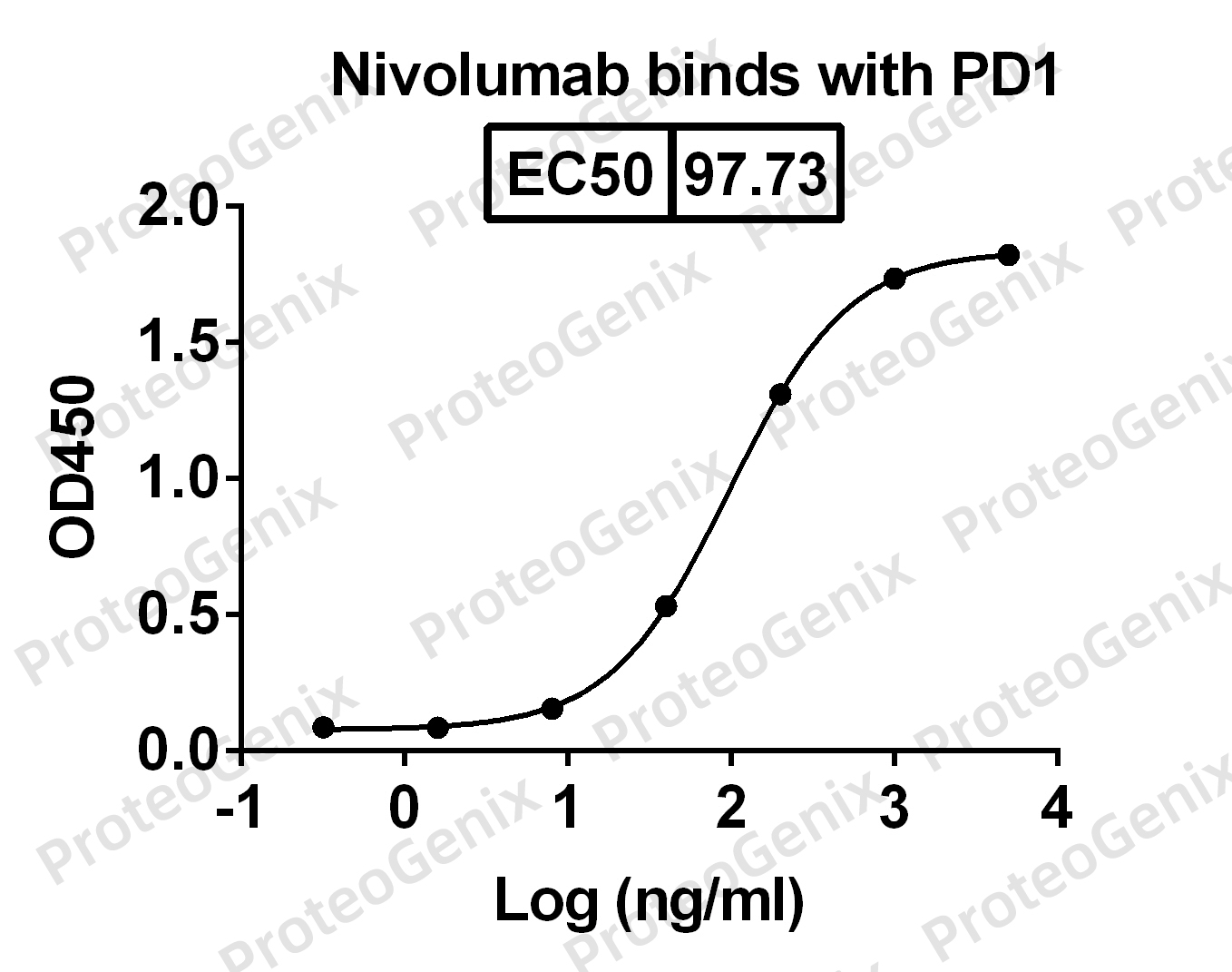
Nofazinlimab Biosimilar works by binding to the PD-1 receptor on the surface of immune cells, such as T cells and natural killer cells. This receptor is responsible for regulating the immune response and preventing the body from attacking its own cells. In cancer and other diseases, the PD-1 receptor is often overexpressed, leading to a weakened immune response. By binding to the PD-1 receptor, Nofazinlimab Biosimilar blocks its activity and allows the immune cells to recognize and attack abnormal cells, such as cancer cells.
In addition to its role in regulating the immune response, Nofazinlimab Biosimilar also has anti-inflammatory properties. It has been shown to inhibit the production of pro-inflammatory cytokines, such as interleukin-6 (IL-6) and tumor necrosis factor-alpha (TNF-α), which play a major role in inflammatory diseases.
Applications of Nofazinlimab Biosimilar
The primary application of Nofazinlimab Biosimilar is in the treatment of cancer. It has been approved for use in various types of cancer, including melanoma, non-small cell lung cancer, and renal cell carcinoma. In clinical trials, Nofazinlimab Biosimilar has shown promising results in improving overall survival and progression-free survival in patients with these types of cancer.
In addition to cancer, Nofazinlimab Biosimilar is also being studied for its potential in treating other diseases. It has shown efficacy in autoimmune diseases, such as rheumatoid arthritis and psoriasis, by reducing inflammation and modulating the immune response. It has also shown promise in treating infectious diseases, such as HIV, by enhancing the activity of immune cells against the virus.
Conclusion
Nofazinlimab Biosimilar, also known as Anti-PD1 mAb, is a research grade antibody that has shown great potential in the treatment of various diseases. Its unique structure and activity make it a promising therapeutic agent for cancer, autoimmune diseases, and infectious diseases. Further research and clinical trials are needed to fully understand the potential of this antibody and its role in improving human health.
Keywords: Nofazinlimab Biosimilar, Anti-PD1 mAb, monoclonal antibody, programmed death-1, immune response, cancer, autoimmune diseases, infectious diseases


There are no reviews yet.