Introduction
Oberotatug Biosimilar is a research grade anti-DEC-205 monoclonal antibody (mAb) that has shown promising potential in the field of immunotherapy. This biosimilar is designed to target the DEC-205 protein, a cell surface receptor that is highly expressed on dendritic cells (DCs). DCs play a crucial role in the immune system by presenting antigens to T cells, making them an attractive therapeutic target for various diseases.
Structure of Oberotatug Biosimilar
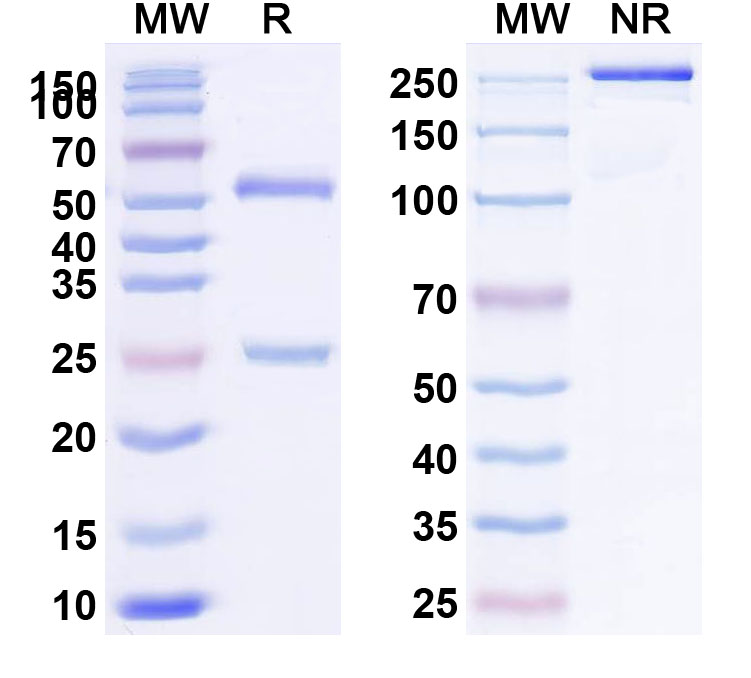
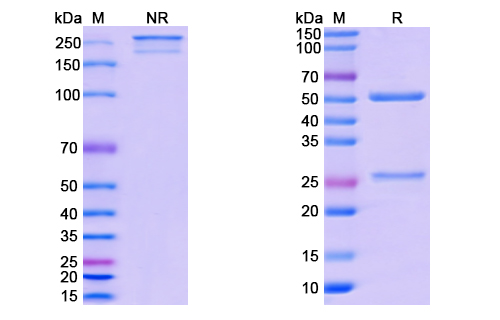
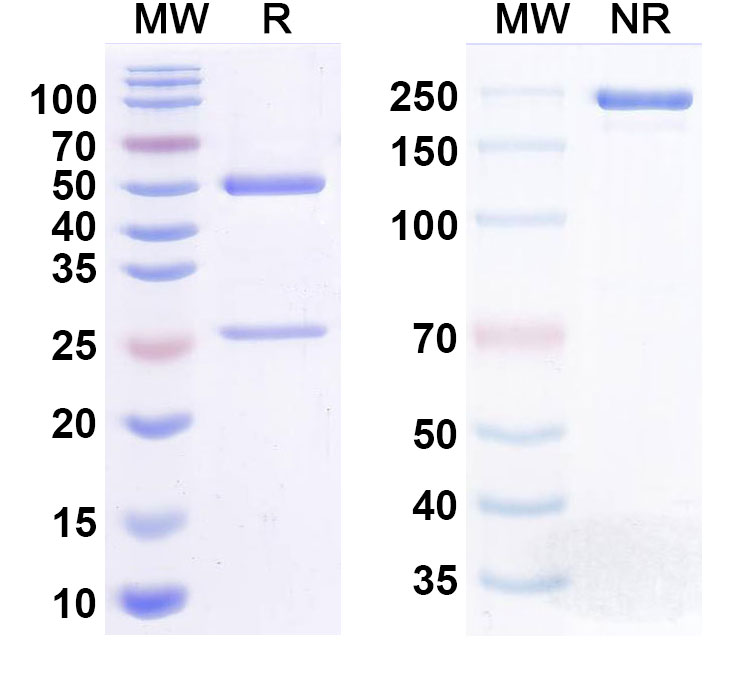
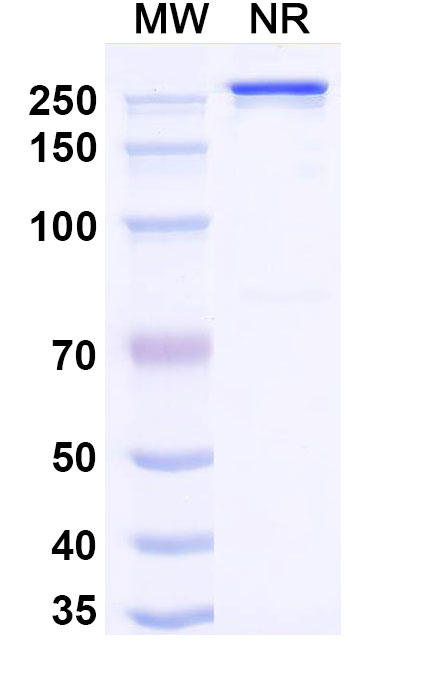
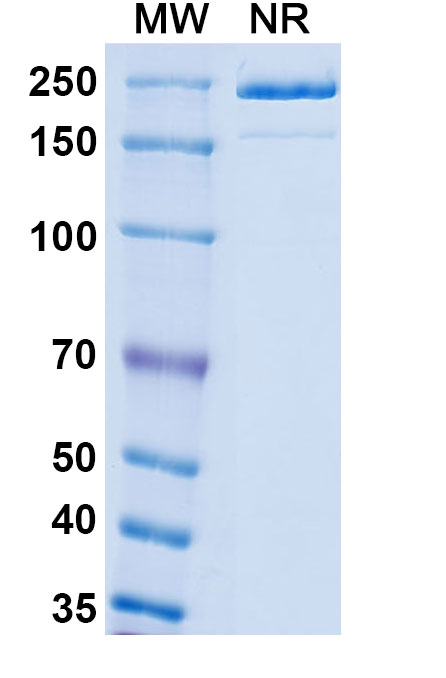
Oberotatug Biosimilar is a recombinant humanized IgG1 mAb with a molecular weight of approximately 150 kDa. It is composed of two heavy chains and two light chains, each containing a variable region and a constant region. The variable region is responsible for binding to the DEC-205 protein, while the constant region determines the effector functions of the antibody.
Mechanism of Action
Oberotatug Biosimilar specifically binds to the DEC-205 protein on the surface of DCs, leading to internalization of the antibody-receptor complex. This results in the activation of the DCs, leading to their maturation and increased antigen presentation to T cells. This, in turn, triggers an immune response against the targeted antigen.
Oberotatug Biosimilar also has the ability to induce antibody-dependent cellular cytotoxicity (ADCC) and complement-dependent cytotoxicity (CDC). This means that the antibody can recruit immune cells and complement proteins to destroy DEC-205-expressing cells, further enhancing its therapeutic potential.
Applications of Oberotatug Biosimilar
Oberotatug Biosimilar has shown promising results in preclinical studies for the treatment of various diseases, including cancer, autoimmune disorders, and infectious diseases.
Cancer
Oberotatug Biosimilar has been studied as a potential immunotherapy for various types of cancer, including melanoma, breast cancer, and pancreatic cancer. By targeting the DEC-205 protein on DCs, the antibody can enhance the immune response against cancer cells, leading to tumor regression and improved survival rates.
Autoimmune Disorders
Autoimmune disorders occur when the immune system mistakenly attacks healthy cells in the body. Oberotatug Biosimilar has shown potential in treating autoimmune disorders such as multiple sclerosis and rheumatoid arthritis by modulating the immune response and reducing inflammation.
Infectious Diseases
Oberotatug Biosimilar has also been investigated as a potential treatment for infectious diseases, such as HIV and tuberculosis. By targeting the DEC-205 protein on DCs, the antibody can enhance the presentation of antigens to T cells, leading to a more robust immune response against the pathogen.
Conclusion
Oberotatug Biosimilar is a promising research grade anti-DEC-205 mAb with the potential to revolutionize the field of immunotherapy. Its specific targeting of the DEC-205 protein on DCs, along with its ability to induce ADCC and CDC, make it a versatile and effective therapeutic agent for various diseases. Further clinical studies are needed to fully explore the potential of this biosimilar and bring it to the forefront of modern medicine.


There are no reviews yet.