Introduction
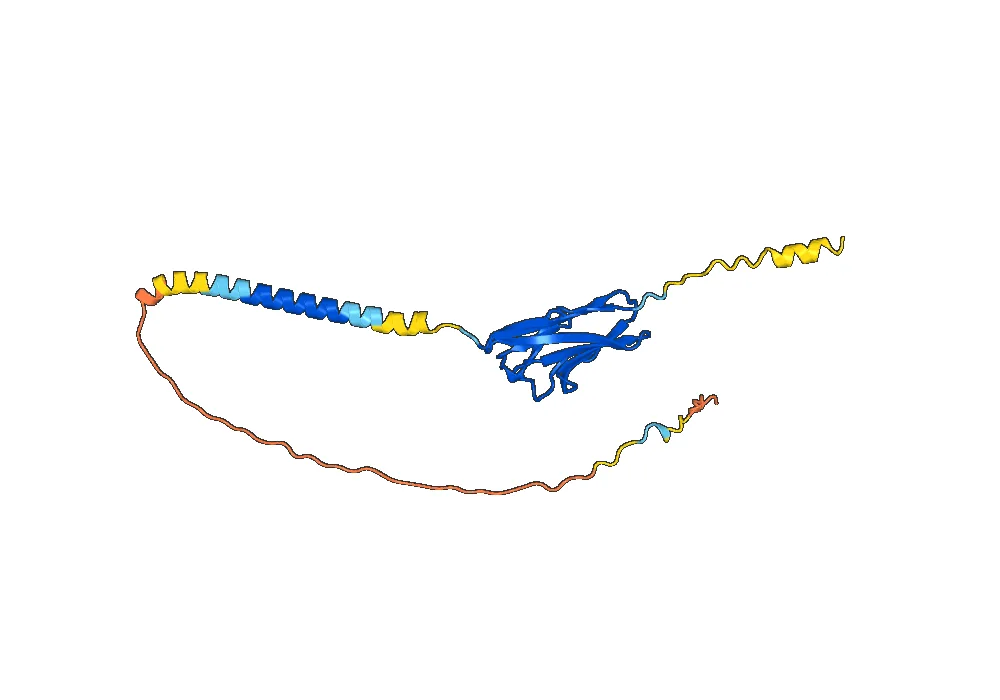
Ociperlimab Biosimilar, also known as Anti-TIGIT mAb, is a novel monoclonal antibody that has shown promising results in the treatment of various diseases. This biosimilar is designed to target the T-cell immunoreceptor with immunoglobulin and ITIM domains (TIGIT), which is a protein found on the surface of immune cells. In this article, we will explore the structure, activity, and potential applications of Ociperlimab Biosimilar as a therapeutic agent.
Structure of Ociperlimab Biosimilar
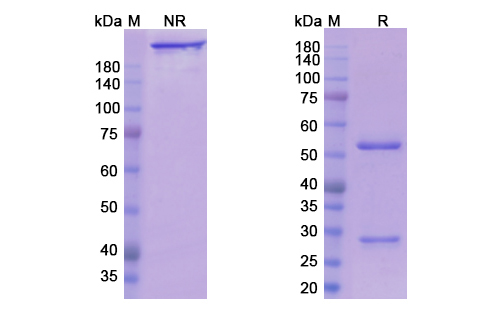
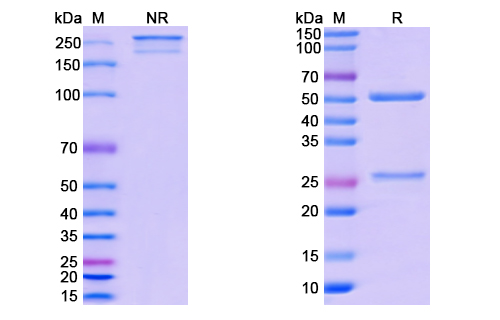
Ociperlimab Biosimilar is a recombinant monoclonal antibody that is produced using a mammalian cell expression system. It is a fully humanized IgG1 antibody that has been engineered to specifically bind to TIGIT. The antibody consists of two heavy chains and two light chains, connected by disulfide bonds. The heavy chain contains a constant region and a variable region, while the light chain contains only a variable region. The variable regions of the antibody are responsible for binding to TIGIT and initiating the therapeutic effect.
Activity of Ociperlimab Biosimilar
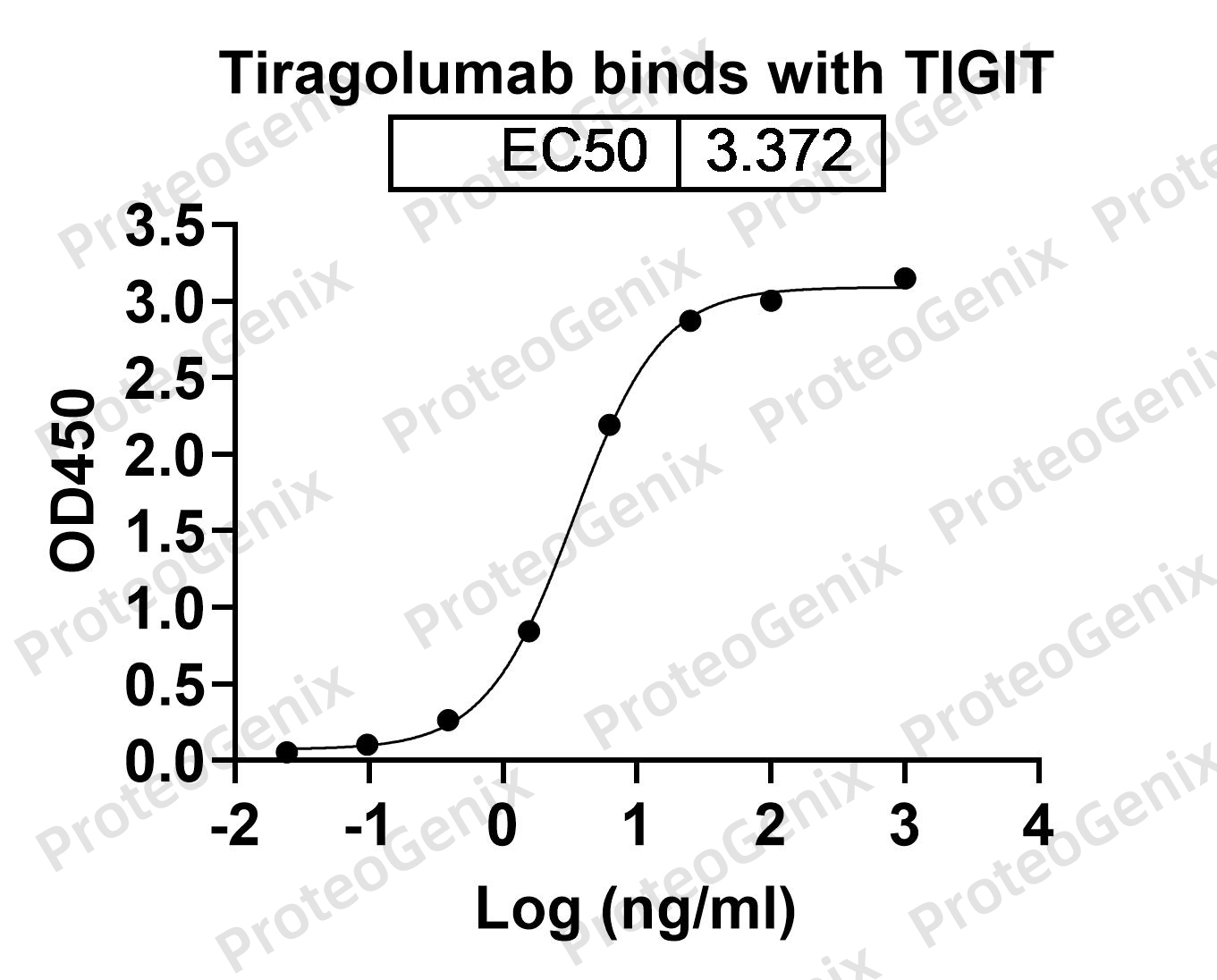
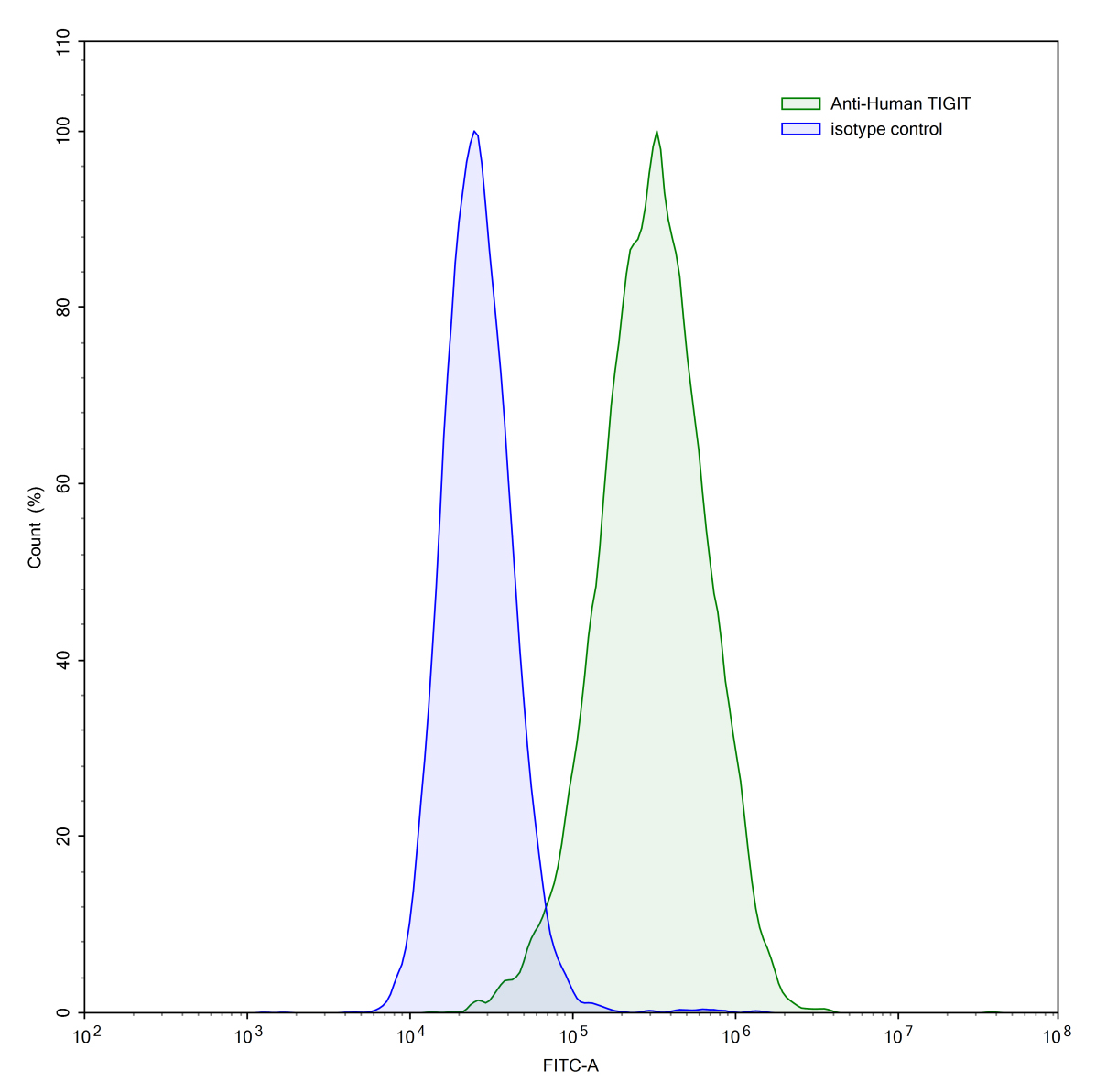
The main activity of Ociperlimab Biosimilar is its ability to block the interaction between TIGIT and its ligands, CD155 and CD112. This interaction is known to inhibit the function of T-cells, which are crucial for immune response against pathogens and cancer cells. By blocking this interaction, Ociperlimab Biosimilar enhances the activity of T-cells, leading to a stronger immune response. In addition, the antibody also has the potential to induce antibody-dependent cell-mediated cytotoxicity (ADCC) and complement-dependent cytotoxicity (CDC), which can further enhance its therapeutic effect.
Applications of Ociperlimab Biosimilar
Ociperlimab Biosimilar has shown promising results in preclinical studies for the treatment of various cancers, including melanoma, lung cancer, and breast cancer. It has also shown potential in the treatment of autoimmune diseases, such as rheumatoid arthritis and multiple sclerosis. The antibody has been shown to enhance the activity of T-cells and promote their proliferation, which can help in eliminating cancer cells and controlling autoimmune responses.
In addition, Ociperlimab Biosimilar has also been studied as a potential immunotherapy for infectious diseases. It has been shown to enhance the immune response against viral infections, such as hepatitis B and HIV, by promoting the activity of T-cells. This makes it a promising candidate for the development of new treatments for these diseases.
Research Grade of Ociperlimab Biosimilar
Ociperlimab Biosimilar is currently in the research stage, with preclinical and early clinical trials being conducted to evaluate its safety and efficacy. The results from these studies have been promising, and the biosimilar has shown a favorable safety profile with no significant adverse effects reported. This research grade of the antibody is crucial in establishing its potential as a therapeutic agent and paving the way for further development and clinical trials.
Conclusion
In summary, Ociperlimab Biosimilar, also known as Anti-TIGIT mAb, is a novel monoclonal antibody that has shown potential as a therapeutic agent for various diseases. Its structure, activity, and potential applications make it a promising candidate for the treatment of cancers, autoimmune diseases, and infectious diseases. As research on this biosimilar continues, it has the potential to become a valuable addition to the arsenal of treatments available for these diseases.
There are no reviews yet.