Introduction
Pagibaximab Biosimilar, also known as Anti-Staphylococcus epidermidis lipoteichoic acid monoclonal antibody (mAb), is a research grade therapeutic antibody that targets the bacterial cell wall component lipoteichoic acid (LTA) of Staphylococcus epidermidis. This antibody has shown promising results in pre-clinical studies and has the potential to be a valuable treatment option for infections caused by this pathogen.
Structure
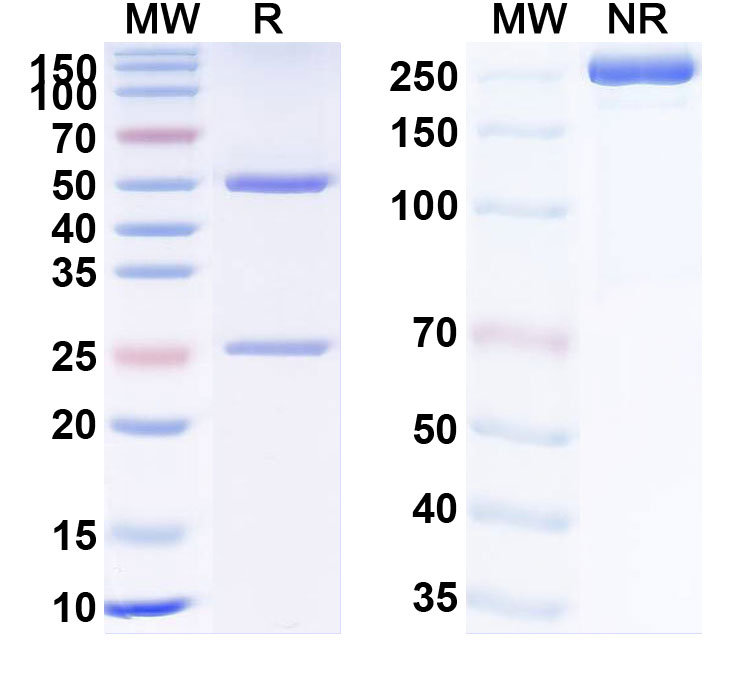
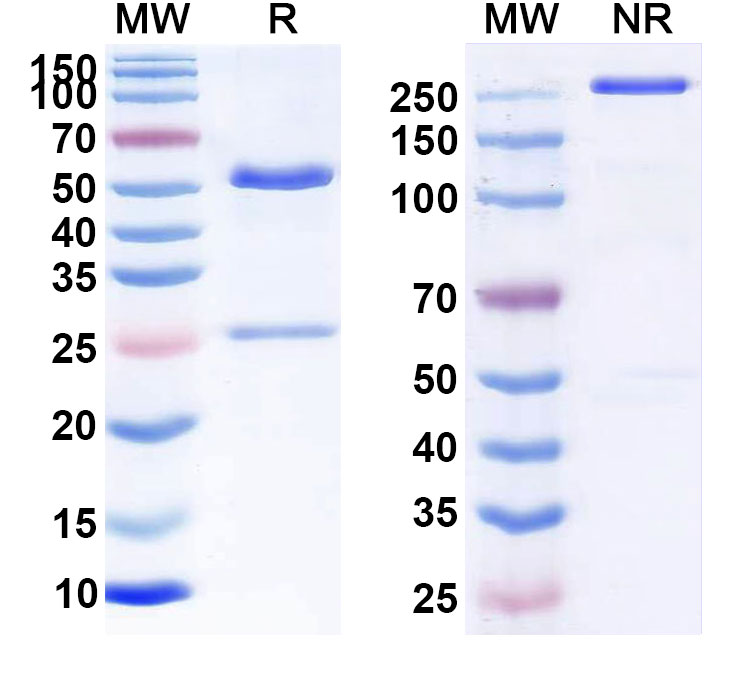
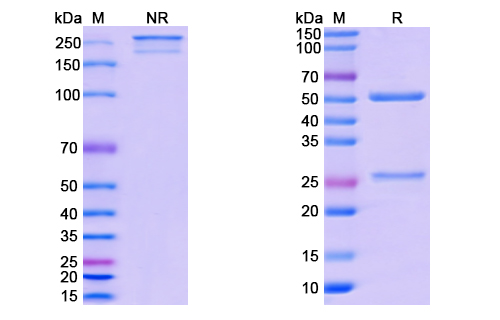
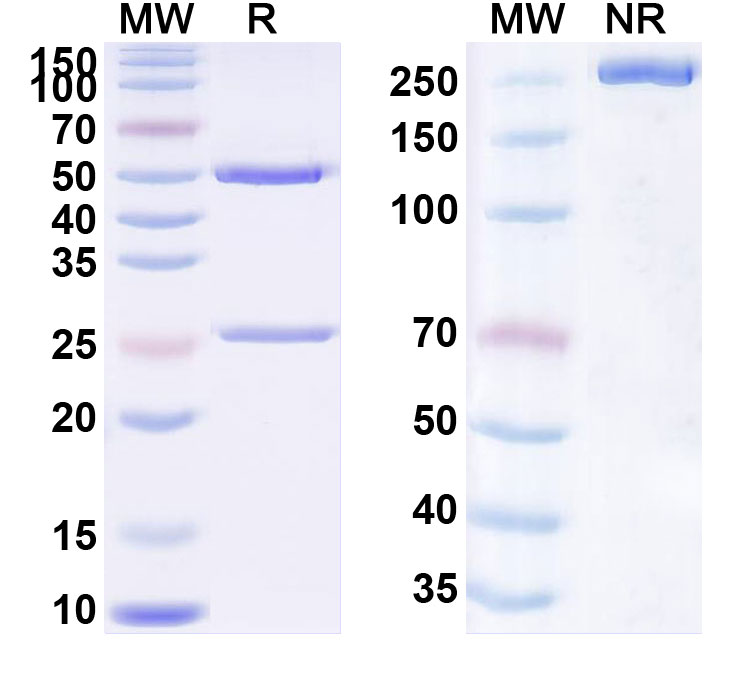
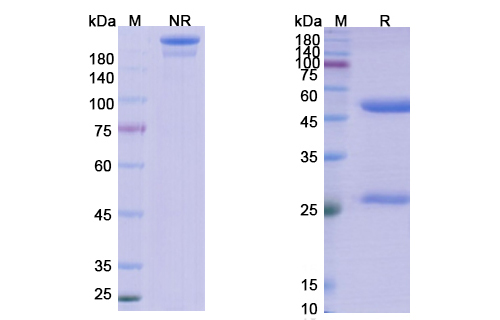
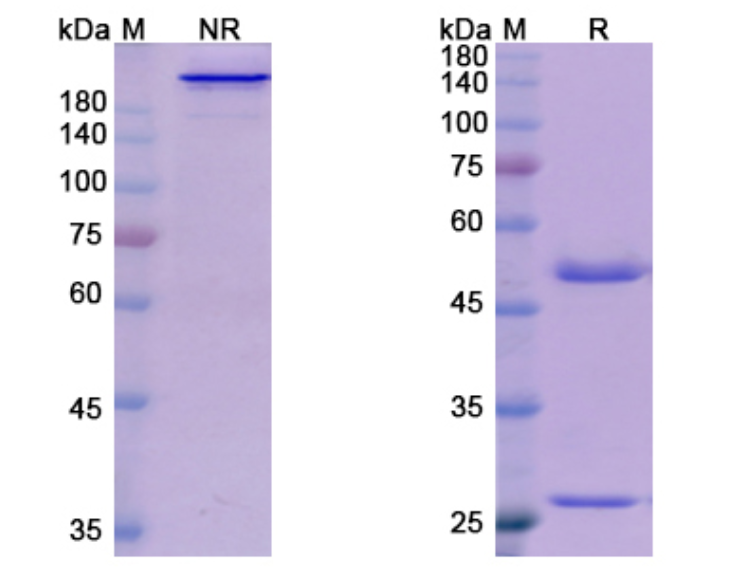
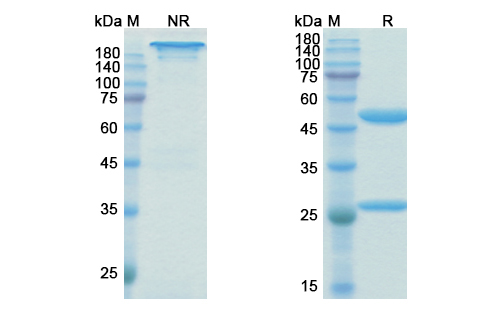
Pagibaximab Biosimilar is a monoclonal antibody that is produced by recombinant DNA technology. It is a fully humanized antibody, meaning it is derived from human genetic material, making it less likely to cause an immune response in patients. The antibody has a molecular weight of approximately 150 kDa and consists of two heavy chains and two light chains that are connected by disulfide bonds. The heavy chains contain the antigen-binding region, which is responsible for binding to the target antigen, LTA.
Activity
Pagibaximab Biosimilar specifically targets the bacterial cell wall component LTA, which is found on the surface of Staphylococcus epidermidis. LTA is a major virulence factor of this pathogen and plays a crucial role in its ability to adhere to host cells and form biofilms, making it difficult to treat with conventional antibiotics. By binding to LTA, Pagibaximab Biosimilar prevents the bacteria from attaching to host cells and disrupts the formation of biofilms, ultimately leading to the death of the bacteria.
Application
The main application of Pagibaximab Biosimilar is in the treatment of infections caused by Staphylococcus epidermidis, particularly in patients with compromised immune systems. This pathogen is a leading cause of healthcare-associated infections, such as catheter-related bloodstream infections and surgical site infections, and is becoming increasingly resistant to antibiotics. Pagibaximab Biosimilar offers a targeted and potentially more effective treatment option for these infections.
In addition to its therapeutic potential, Pagibaximab Biosimilar also has research applications. It can be used as a tool in studying the role of LTA in the pathogenesis of Staphylococcus epidermidis infections. The antibody can also be used in diagnostic tests to detect the presence of LTA in patient samples, aiding in the diagnosis and monitoring of infections caused by this pathogen.
Clinical Development
Pagibaximab Biosimilar is currently in the pre-clinical stage of development. Initial studies have shown promising results, with the antibody effectively binding to LTA and inhibiting the growth of Staphylococcus epidermidis in vitro. Further studies are needed to evaluate its safety and efficacy in animal models before moving on to clinical trials.
Conclusion
Pagibaximab Biosimilar is a promising therapeutic antibody that specifically targets LTA, a key virulence factor of Staphylococcus epidermidis. Its unique mechanism of action makes it a potential treatment option for infections caused by this pathogen, which is becoming increasingly resistant to antibiotics. In addition, it has research and diagnostic applications, making it a valuable tool in the fight against Staphylococcus epidermidis infections. Further studies are needed to fully evaluate its potential as a treatment option for patients.


There are no reviews yet.