Introduction
Pemtumomab Biosimilar, also known as Anti-MUC-1 mAb, is a monoclonal antibody that has been developed as a biosimilar to the therapeutic antibody Pemtumomab. This biosimilar is designed to target the MUC-1 protein, which is overexpressed in various types of cancer. In this article, we will provide a scientific description of Pemtumomab Biosimilar, including its structure, activity, and potential applications.
Structure of Pemtumomab Biosimilar
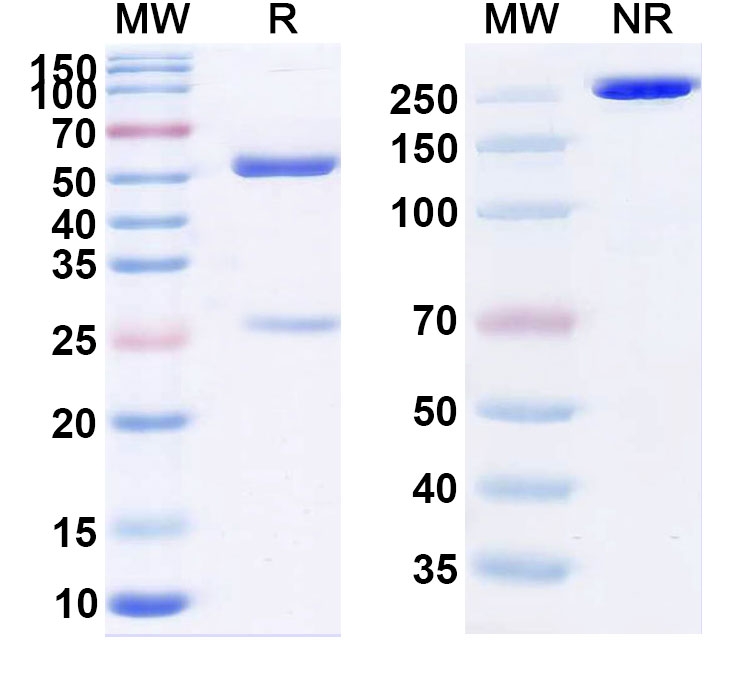
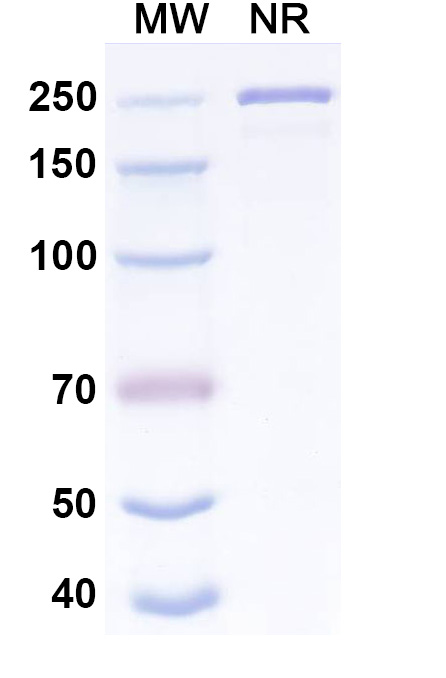
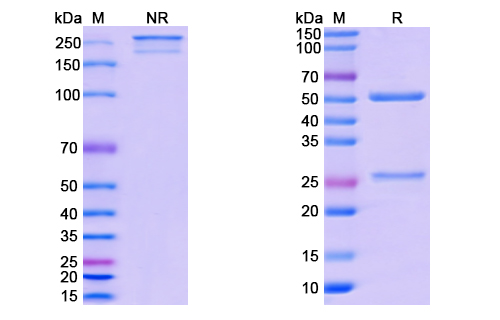
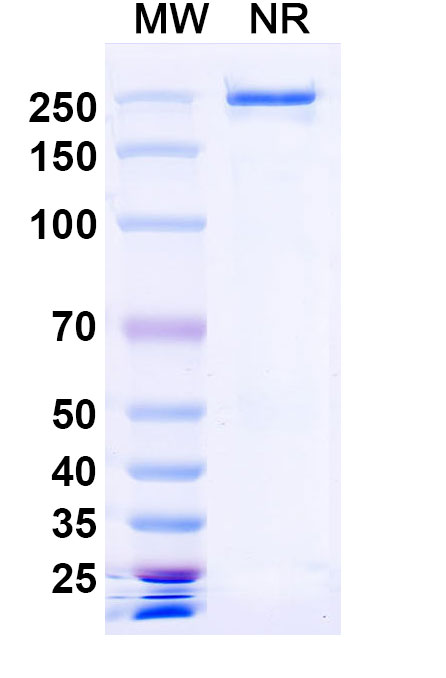
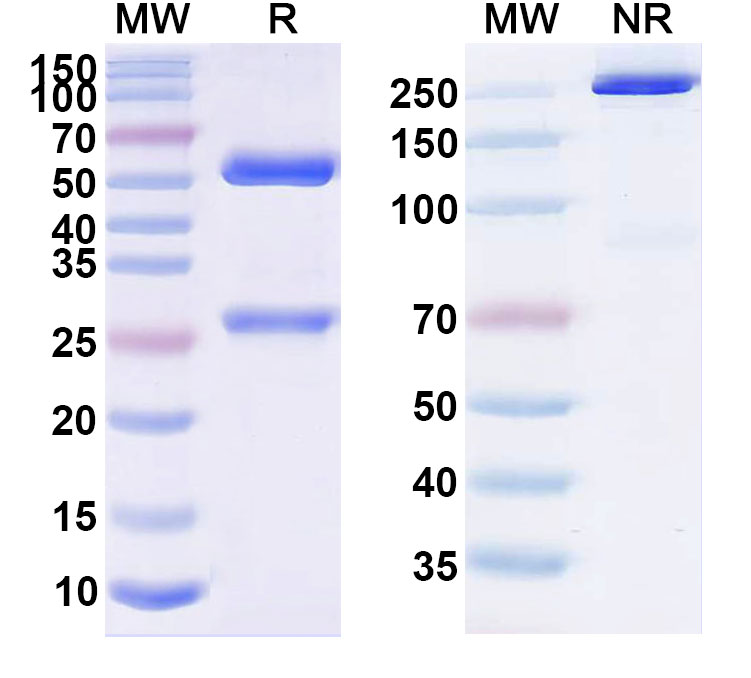
Pemtumomab Biosimilar is a recombinant humanized monoclonal antibody, meaning that it is produced by genetically engineering human genes into a non-human host, typically Chinese hamster ovary (CHO) cells. This antibody consists of two identical heavy chains and two identical light chains, each with a molecular weight of approximately 150 kDa. The heavy and light chains are connected by disulfide bonds and form a Y-shaped structure, with the antigen-binding sites located at the tips of the Y.
Activity of Pemtumomab Biosimilar
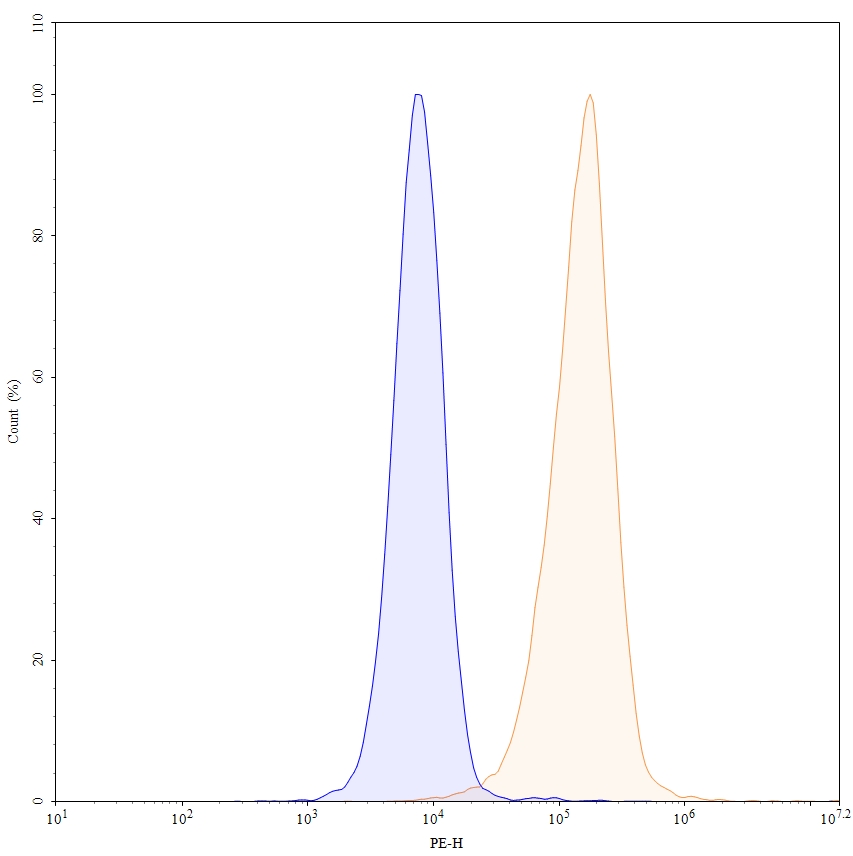
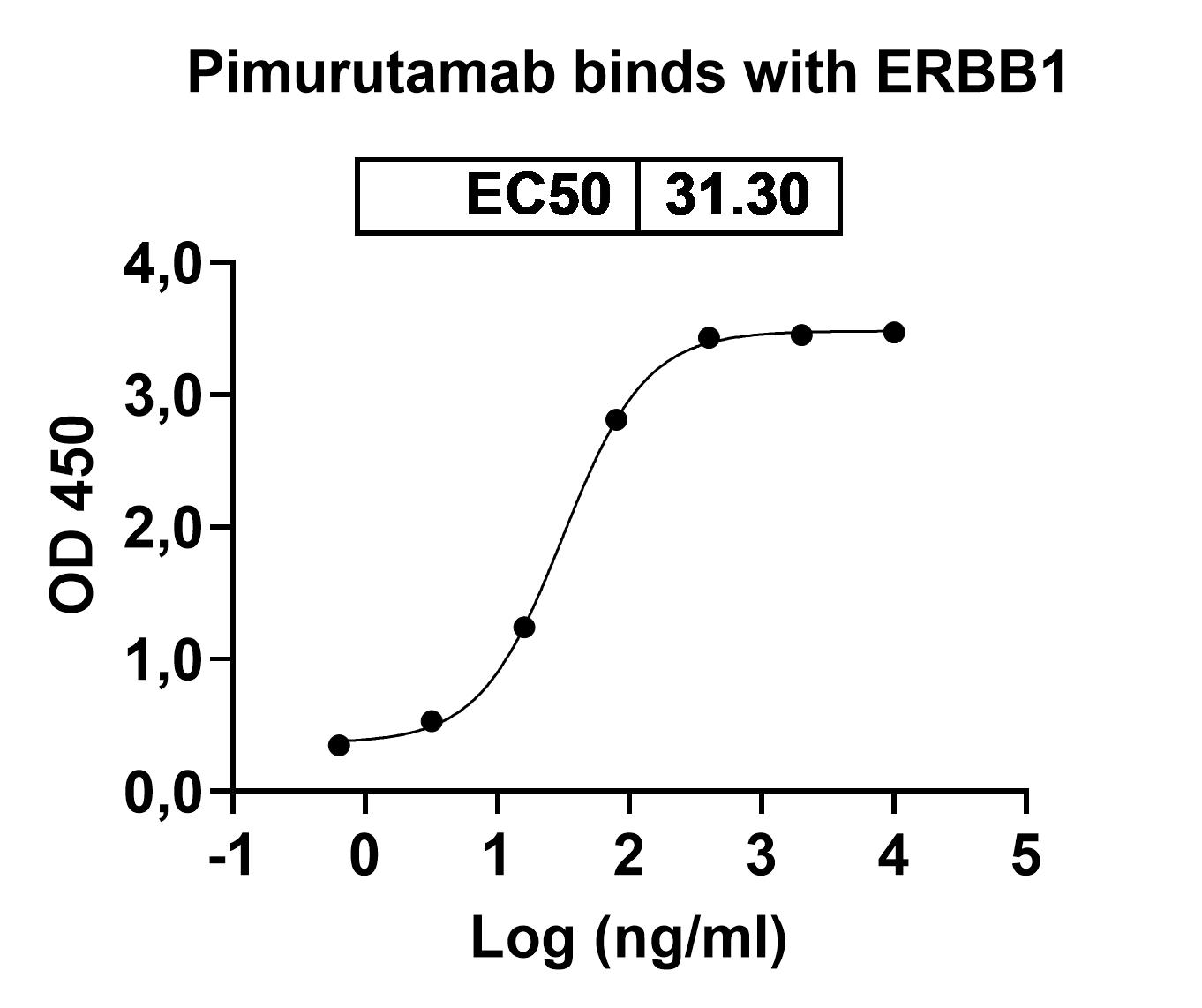
Pemtumomab Biosimilar is specifically designed to target the MUC-1 protein, which is a glycoprotein that is overexpressed in various types of cancer, including breast, lung, and pancreatic cancer. The MUC-1 protein is involved in cell adhesion and signaling pathways, and its overexpression has been linked to tumor growth and metastasis. Pemtumomab Biosimilar binds to the extracellular domain of MUC-1, inhibiting its function and potentially leading to the destruction of cancer cells.
Applications of Pemtumomab Biosimilar
Pemtumomab Biosimilar has potential applications in the treatment of various types of cancer. As a biosimilar to Pemtumomab, it is expected to have similar therapeutic effects and safety profile. However, due to its lower production costs, Pemtumomab Biosimilar may be a more affordable treatment option for patients. Additionally, this biosimilar may also have a wider availability, especially in developing countries where access to expensive biologic drugs may be limited.
Antibody for Cancer Treatment
Pemtumomab Biosimilar is a promising antibody for cancer treatment, as it specifically targets the MUC-1 protein, which is overexpressed in many types of cancer. By inhibiting the function of MUC-1, this biosimilar may prevent tumor growth and metastasis, potentially leading to improved patient outcomes.
Therapeutic Target: MUC-1
MUC-1 is a promising therapeutic target for cancer treatment, as its overexpression has been linked to tumor growth and metastasis. Pemtumomab Biosimilar, as a specific inhibitor of MUC-1, may have the potential to effectively treat various types of cancer and improve patient outcomes.
Research Grade Antibody
Pemtumomab Biosimilar is currently available as a research grade antibody, meaning that it is primarily used for research purposes and not approved for clinical use. However, the development of this biosimilar may lead to its eventual approval for clinical use, providing a more affordable and accessible treatment option for cancer patients.
Conclusion
In summary, Pemtumomab Biosimilar, also known as Anti-MUC-1 mAb, is a recombinant humanized monoclonal antibody designed to target the MUC-1 protein, which is overexpressed in various types of cancer. This biosimilar has a similar structure and activity to the therapeutic antibody Pemtumomab, and has potential applications in cancer treatment. Further research and development of Pemtumomab Biosimilar may lead to its eventual approval for clinical use, providing a more affordable and accessible treatment option for cancer patients.

There are no reviews yet.