Introduction
Ponsegromab Biosimilar, also known as Anti-GDF15 mAb, is a research grade monoclonal antibody that targets the growth differentiation factor 15 (GDF15). It is a promising therapeutic agent for various diseases and has shown potential in pre-clinical studies. In this article, we will discuss the structure, activity, and potential applications of Ponsegromab Biosimilar.
Structure of Ponsegromab Biosimilar
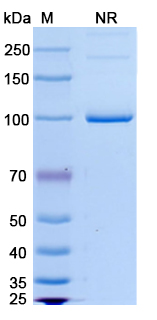
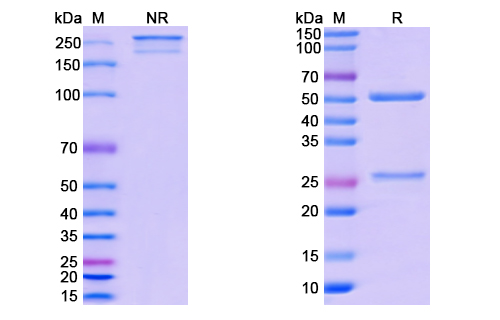
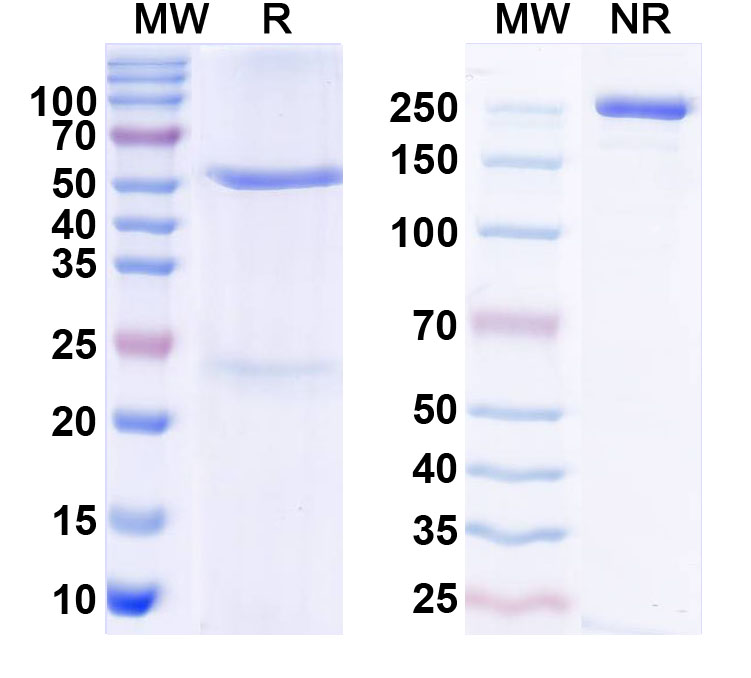
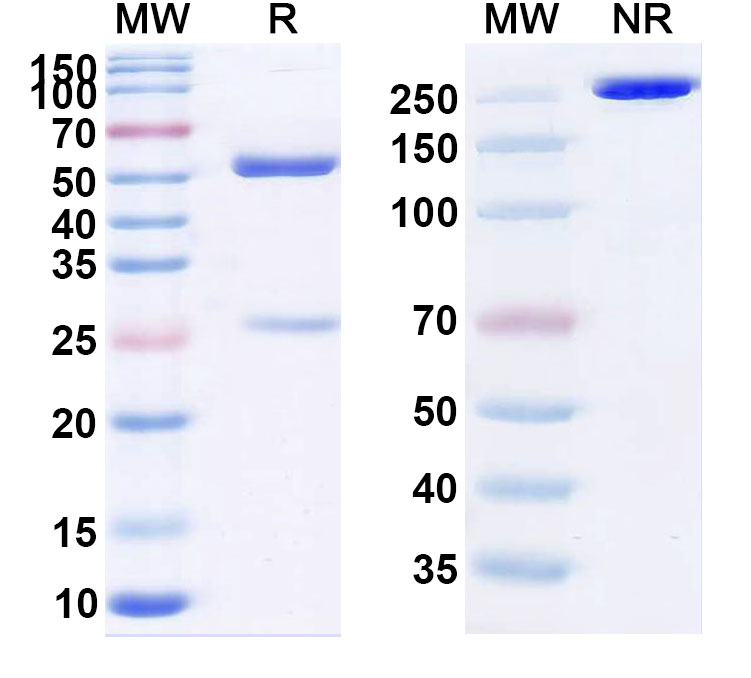
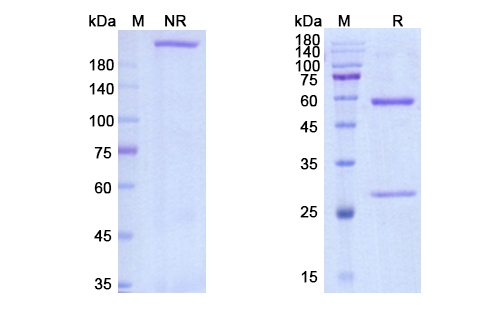
Ponsegromab Biosimilar is a recombinant, humanized monoclonal antibody that is produced in mammalian cells. It is a 148 kDa protein composed of two heavy chains and two light chains. The heavy chains are approximately 50 kDa and consist of four constant domains (CH1, CH2, CH3, and CH4) and one variable domain (VH). The light chains are approximately 25 kDa and consist of two constant domains (CL and CL’) and one variable domain (VL). The variable domains of both the heavy and light chains are responsible for binding to the target antigen, GDF15.
Activity of Ponsegromab Biosimilar
GDF15 is a protein that belongs to the transforming growth factor-beta (TGF-β) superfamily. It is known to play a role in various physiological processes such as cell growth, differentiation, and inflammation. However, overexpression of GDF15 has been linked to several diseases, including cancer, cardiovascular diseases, and metabolic disorders. Ponsegromab Biosimilar works by specifically binding to GDF15 and inhibiting its activity, thereby reducing its effects on disease progression.
Potential Applications of Ponsegromab Biosimilar
Cancer: GDF15 is known to promote tumor growth, angiogenesis, and metastasis in various types of cancer. Ponsegromab Biosimilar has shown promising results in pre-clinical studies as a potential therapeutic agent for different types of cancer, including lung, breast, and pancreatic cancer. It has been shown to inhibit tumor growth and reduce cancer cell migration and invasion.
Cardiovascular diseases: GDF15 has been implicated in the development of atherosclerosis and heart failure. Ponsegromab Biosimilar has shown potential in reducing atherosclerotic plaque formation and improving cardiac function in animal models. It has also been shown to reduce inflammation and oxidative stress, which are key factors in the development of cardiovascular diseases.
Metabolic disorders: GDF15 has been linked to metabolic disorders such as obesity and type 2 diabetes. Ponsegromab Biosimilar has shown promising results in reducing body weight, improving glucose metabolism, and reducing insulin resistance in pre-clinical studies. It has also been shown to reduce inflammation and improve lipid metabolism, making it a potential therapeutic option for these conditions.
Inflammatory diseases: GDF15 has been shown to play a role in the development of inflammatory diseases such as rheumatoid arthritis and inflammatory bowel disease. Ponsegromab Biosimilar has been shown to reduce inflammation and improve disease symptoms in animal models of these conditions. It has also been shown to inhibit the production of pro-inflammatory cytokines, making it a potential treatment option for other inflammatory diseases as well.
Conclusion
Ponsegromab Biosimilar is a research grade monoclonal antibody that specifically targets GDF15. It has shown promising results in pre-clinical studies as a potential therapeutic agent for various diseases, including cancer, cardiovascular diseases, metabolic disorders, and inflammatory diseases. Its unique structure and mechanism of action make it a promising candidate for further development and clinical trials.


There are no reviews yet.