Petosemtamab Biosimilar: A Promising Anti-EGFR, ERBB1, LGR5 Monoclonal Antibody for Research
Introduction
Petosemtamab Biosimilar is a novel monoclonal antibody (mAb) that targets three important proteins – EGFR, ERBB1, and LGR5. This biosimilar is being developed as a potential therapeutic agent for various cancers and other diseases. In this article, we will discuss the structure, activity, and potential applications of Petosemtamab Biosimilar in research.
Structure of Petosemtamab Biosimilar
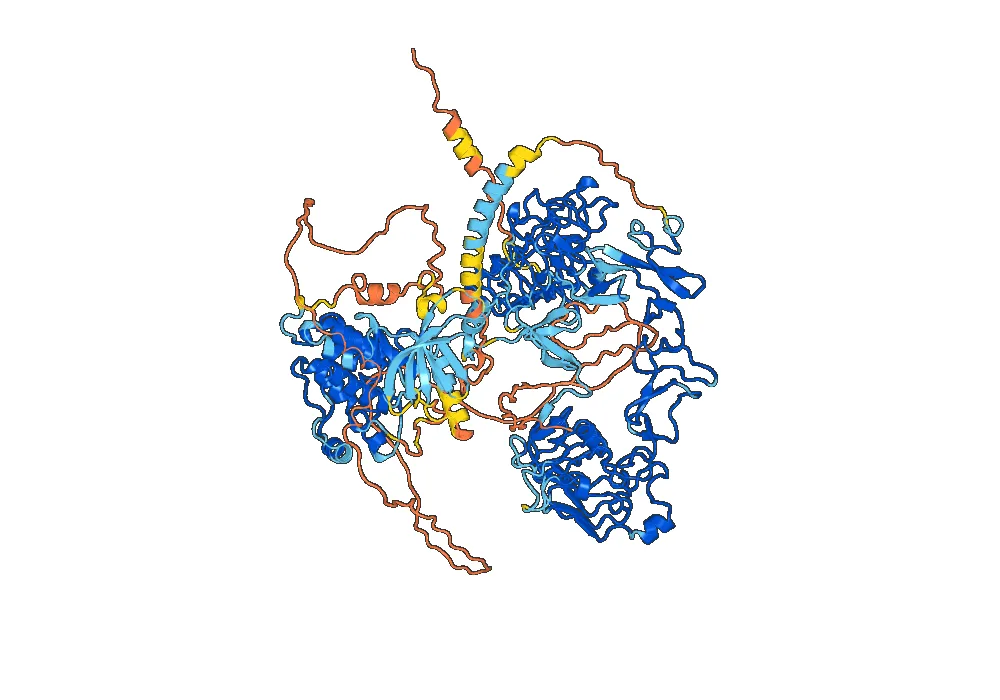
Petosemtamab Biosimilar is a recombinant humanized IgG1 mAb that is produced using advanced genetic engineering techniques. It is a biosimilar of cetuximab, a well-known anti-EGFR mAb. The amino acid sequence of Petosemtamab Biosimilar is highly similar to that of cetuximab, with only minor differences in the constant region. This ensures that the biosimilar has similar binding properties and biological activity as the reference mAb.
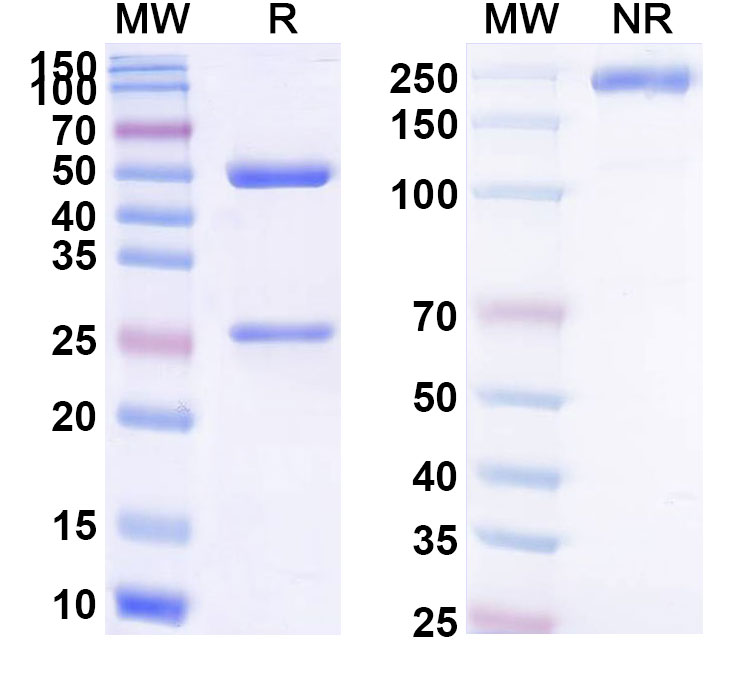
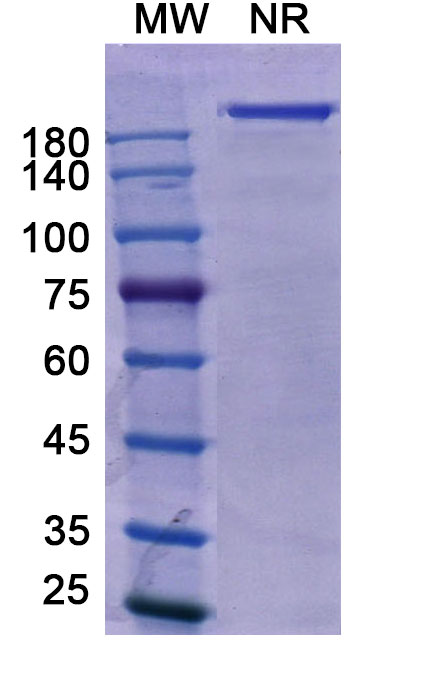
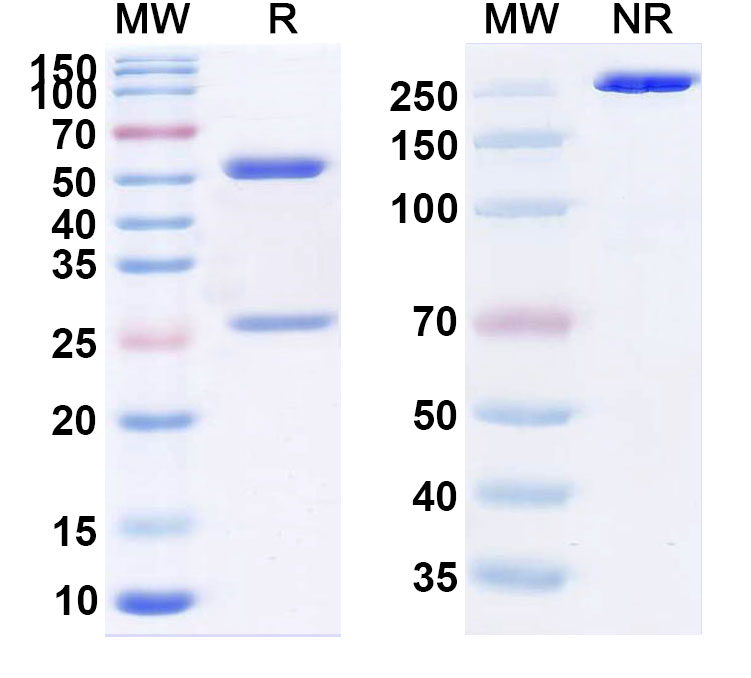
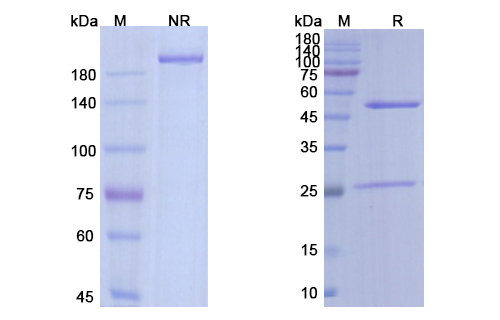
The mAb has a molecular weight of approximately 150 kDa and consists of two heavy chains and two light chains. The heavy chains are composed of four constant domains (CH1, CH2, CH3, and CH4) and one variable domain (VH), while the light chains have one constant domain (CL) and one variable domain (VL). The variable domains of both heavy and light chains are responsible for the specific binding to the target proteins.
Activity of Petosemtamab Biosimilar
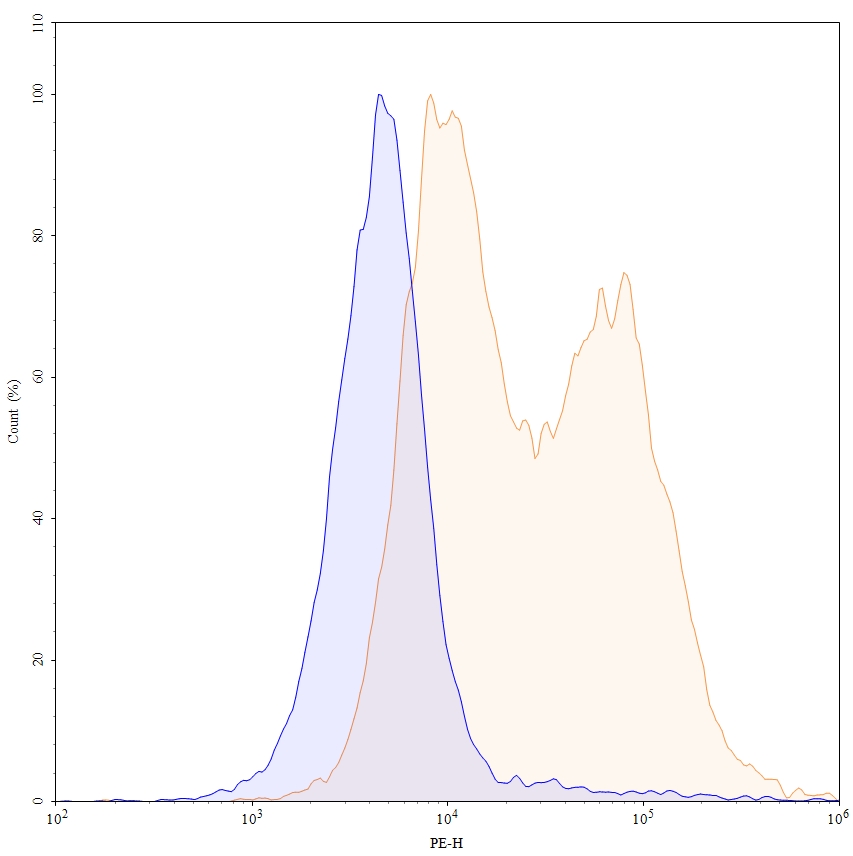
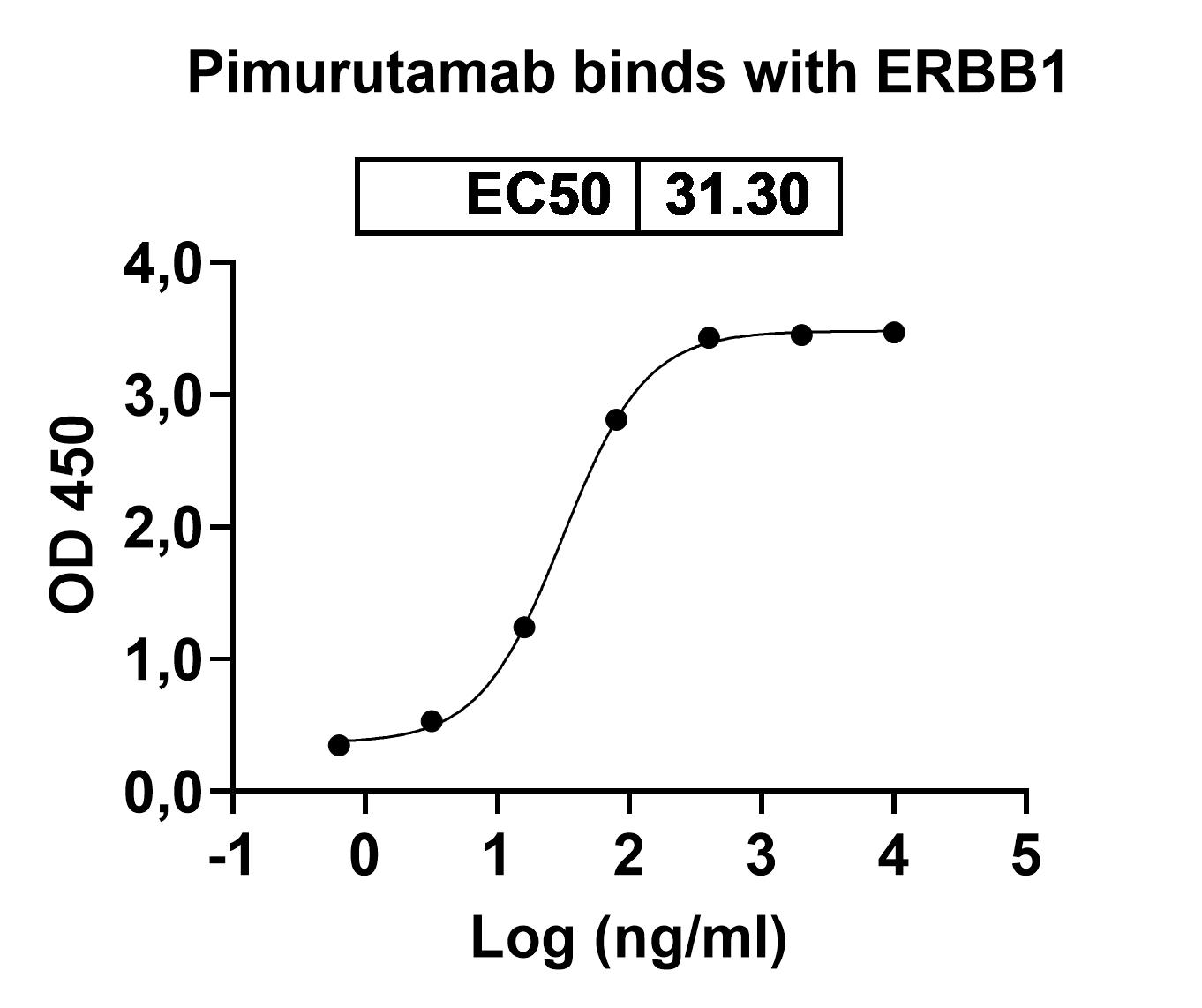
Petosemtamab Biosimilar binds to three different proteins – EGFR, ERBB1, and LGR5 – with high affinity and specificity. EGFR and ERBB1 are members of the epidermal growth factor receptor (EGFR) family, which are known to play a critical role in cell proliferation, survival, and differentiation. LGR5, on the other hand, is a stem cell marker that is overexpressed in various cancers, including colorectal, pancreatic, and gastric cancers.
By binding to these proteins, Petosemtamab Biosimilar inhibits their downstream signaling pathways, leading to the suppression of cell growth and proliferation. It also promotes antibody-dependent cell-mediated cytotoxicity (ADCC) and complement-dependent cytotoxicity (CDC), which contribute to its anti-tumor activity.
Potential Applications in Research
The unique targeting ability and mechanism of action of Petosemtamab Biosimilar make it a promising candidate for research in various fields. Some of its potential applications include:
Cancer Research Petosemtamab Biosimilar has shown promising results in preclinical studies for the treatment of different types of cancers, including colorectal, pancreatic, and gastric cancers. It has also demonstrated synergistic effects when used in combination with other anti- cancer therapies. Therefore, it can be used in research to study its efficacy and safety in different cancer models and to explore its potential as a combination therapy.
Stem Cell Research
LGR5 is a stem cell marker that is highly expressed in various cancers. Petosemtamab Biosimilar, by targeting LGR5, can be used in research to study the role of LGR5-positive cancer stem cells in tumor progression and to develop novel strategies for their elimination.
Drug Development
The development of biosimilars, such as Petosemtamab Biosimilar, is an important area of research. By studying the structure, activity, and mechanism of action of this biosimilar, researchers can gain insights into the design and development of other biosimilars targeting different proteins.
Diagnostic Tool
Petosemtamab Biosimilar can also be used as a diagnostic tool for the detection
There are no reviews yet.