Runimotamab Biosimilar: A Promising Anti-ERBB2,CD3E mAb for
Cancer Immunotherapy Introduction
Runimotamab Biosimilar, also known as Anti-ERBB2,CD3E mAb, is a monoclonal antibody (mAb) that targets the HER2/neu (ERBB2) protein on cancer cells. This novel biosimilar has been developed as a potential therapeutic option for various types of cancers, including breast, gastric, and lung cancer.
Structure of Runimotamab Biosimilar
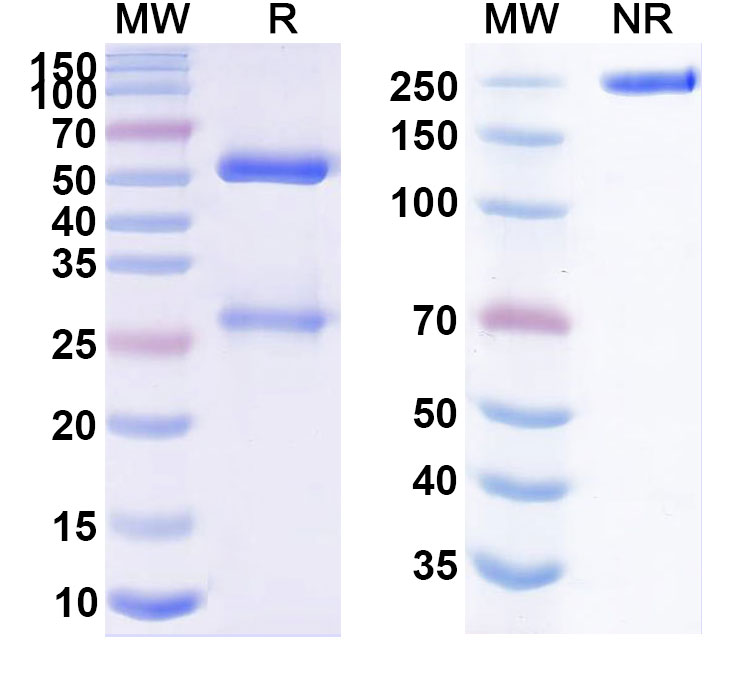
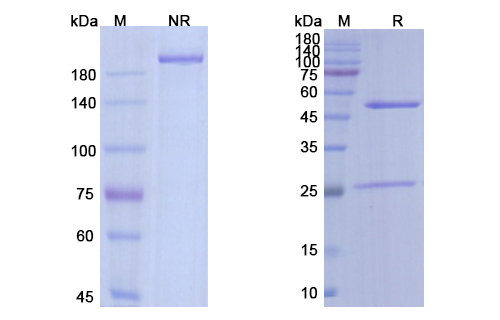
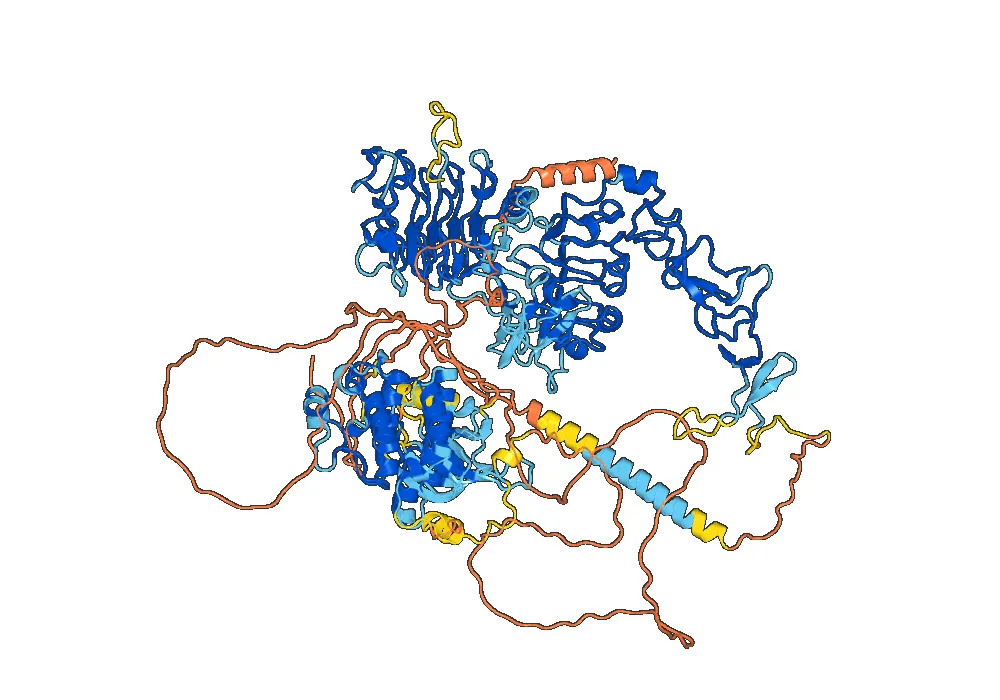
Runimotamab Biosimilar is a chimeric monoclonal antibody, meaning it is composed of both human and mouse components. It is created by fusing the variable regions of a mouse anti-HER2 antibody with the constant regions of a human antibody. This structure allows for the antibody to specifically bind to the HER2 protein while also minimizing the risk of immune reactions in patients.
Mechanism of Action
The main therapeutic target of Runimotamab Biosimilar is the HER2 protein, which is overexpressed in many types of cancer cells. HER2 is a receptor tyrosine kinase that plays a crucial role in cell growth and survival. However, overexpression of HER2 can lead to uncontrolled cell growth and tumor progression.
Runimotamab Biosimilar works by binding to the HER2 protein on the surface of cancer cells, blocking its activity and inhibiting the growth and survival of these cells. Additionally, the antibody also recruits immune cells, such as T cells, to the site of the tumor, further enhancing the anti- cancer effect.
Research Grade and Applications
Runimotamab Biosimilar is currently in the research grade stage, which means it is still undergoing clinical trials to determine its safety and efficacy. However, early studies have shown promising results, making it a potential candidate for cancer immunotherapy.
The main application of Runimotamab Biosimilar is in the treatment of HER2-positive cancers. This includes breast, gastric, and lung cancer, which are known to have high levels of HER2 expression. By targeting this specific protein, the antibody has the potential to effectively treat these types of cancer with minimal side effects.
Advantages over Existing Therapies
One of the main advantages of Runimotamab Biosimilar is its specificity for the HER2 protein. Unlike traditional chemotherapy drugs, which can affect both cancerous and healthy cells, this antibody specifically targets cancer cells, reducing the risk of side effects. Additionally, it has the potential to be used in combination with other therapies, such as chemotherapy or targeted therapies, to further enhance its anti- cancer effects.
Conclusion
In conclusion, Runimotamab Biosimilar is a promising anti-HER2,CD3E mAb for cancer immunotherapy. Its unique structure and mechanism of action make it a potential candidate for the treatment of HER2-positive cancers. As it progresses through clinical trials, it has the potential to become a valuable addition to the existing treatment options for cancer patients.

There are no reviews yet.