Introduction
Plonmarlimab Biosimilar, also known as Anti-CSF2 monoclonal antibody, is a promising therapeutic agent that has been extensively studied for its potential in treating various inflammatory and autoimmune diseases. This biosimilar is a replica of the humanized monoclonal antibody, which targets the cytokine colony-stimulating factor 2 (CSF2). In this article, we will discuss the structure, activity, and potential applications of Plonmarlimab Biosimilar in the field of medicine.
Structure of Plonmarlimab Biosimilar
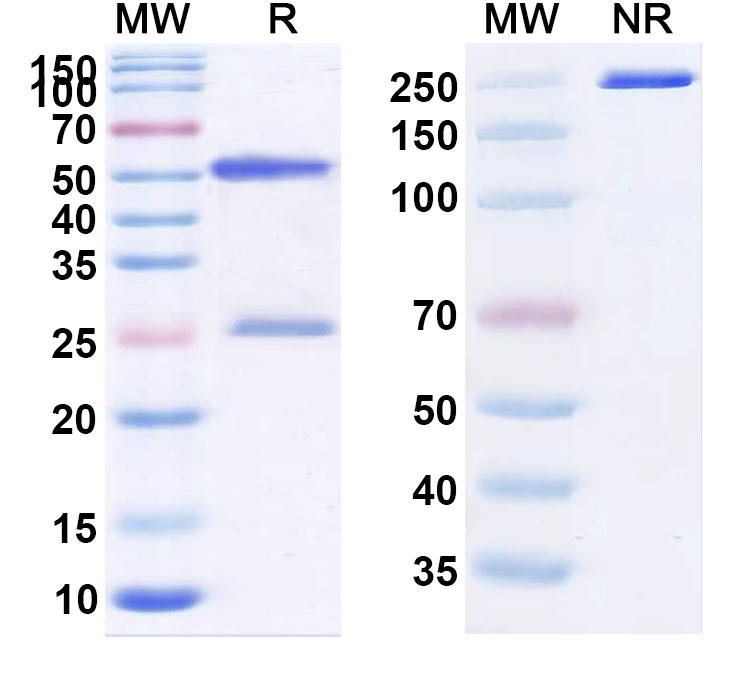
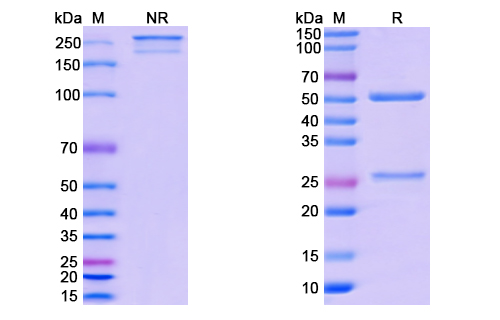
Plonmarlimab Biosimilar is a recombinant humanized IgG1 monoclonal antibody, with a molecular weight of approximately 150 kDa. It is composed of two heavy chains and two light chains, which are connected by disulfide bonds. The variable region of the antibody is responsible for binding to the target cytokine, CSF2, while the constant region mediates effector functions such as complement activation and antibody-dependent cellular cytotoxicity.
Activity of Plonmarlimab Biosimilar
Plonmarlimab Biosimilar exerts its activity by specifically binding to CSF2, also known as granulocyte-macrophage colony-stimulating factor (GM-CSF). CSF2 is a cytokine that plays a crucial role in the development, differentiation, and function of immune cells, including granulocytes, macrophages, and dendritic cells. By binding to CSF2, Plonmarlimab Biosimilar prevents the cytokine from binding to its receptors, thereby inhibiting its signaling pathway.
Applications of Plonmarlimab Biosimilar
Plonmarlimab Biosimilar has shown promising results in preclinical studies and is currently being evaluated in clinical trials for various inflammatory and autoimmune diseases. Some of the potential applications of this biosimilar are discussed below:
Rheumatoid Arthritis Rheumatoid arthritis (RA) is a chronic inflammatory disease that affects the joints, resulting in pain, stiffness, and swelling. CSF2 has been implicated in the pathogenesis of RA, and its levels are elevated in the synovial fluid of patients with RA. By targeting CSF2, Plonmarlimab Biosimilar has the potential to reduce inflammation and joint damage in patients with RA.
Psoriasis
Psoriasis is a chronic autoimmune skin disorder characterized by red, scaly patches on the skin. CSF2 has been shown to play a critical role in the development of psoriasis by promoting the differentiation and activation of immune cells. Plonmarlimab Biosimilar has the potential to inhibit the activity of CSF2 and reduce the severity of psoriasis symptoms.
Crohn’s Disease
Crohn’s disease is an inflammatory bowel disease (IBD) characterized by chronic inflammation of the digestive tract. CSF2 has been shown to play a role in the pathogenesis of Crohn’s disease by promoting the recruitment and activation of immune cells in the gut. Plonmarlimab Biosimilar has the potential to modulate the immune response in Crohn’s disease and improve symptoms.
Non-Small Cell Lung Cancer
CSF2 has been shown to play a role in the development and progression of non-small cell lung cancer (NSCLC). By targeting CSF2, Plonmarlimab Biosimilar has the potential to inhibit tumor growth and improve the efficacy of chemotherapy in patients with NSCLC.
Conclusion
In summary, Plonmarlimab Biosimilar is a promising therapeutic agent that targets the cytokine CSF2 and has shown potential in treating various inflammatory and autoimmune diseases. Its unique structure and mechanism of action make it a promising candidate for the development of novel treatments for these diseases. Further clinical trials are needed to fully assess the efficacy and safety of this biosimilar.

There are no reviews yet.