Introduction
Recombinant Caenorhabditis elegans HECD-1 Protein, also known as Hemicentin-1, is a protein that plays an important role in the extracellular matrix of the nematode Caenorhabditis elegans. This protein has been extensively studied due to its unique structure and diverse functions. In this article, we will discuss the structure, activity, and application of Recombinant Caenorhabditis elegans HECD-1 Protein.
Structure
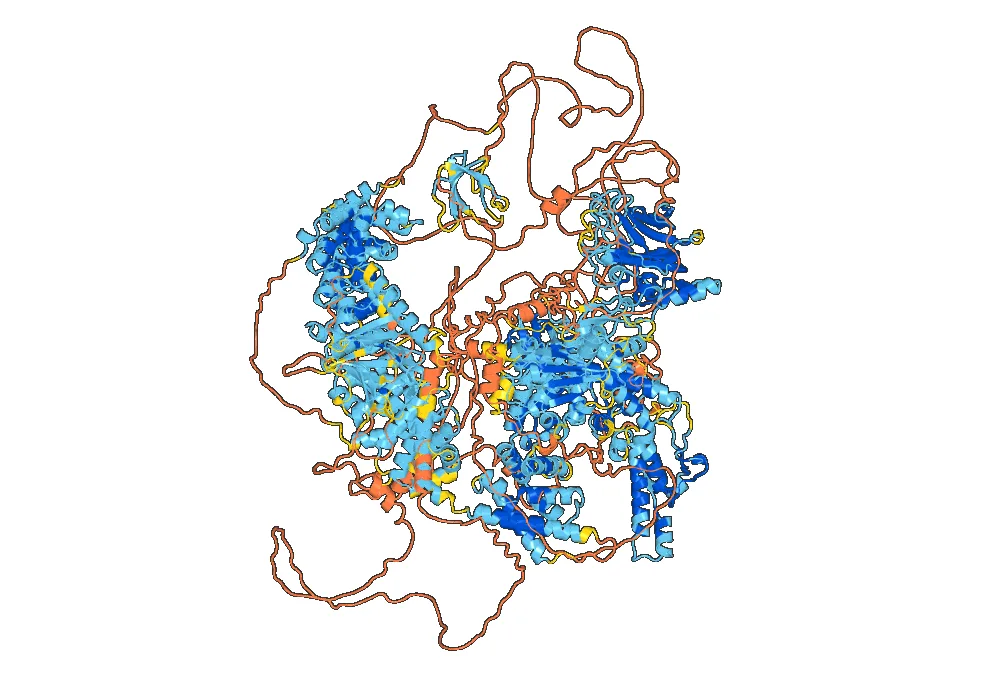
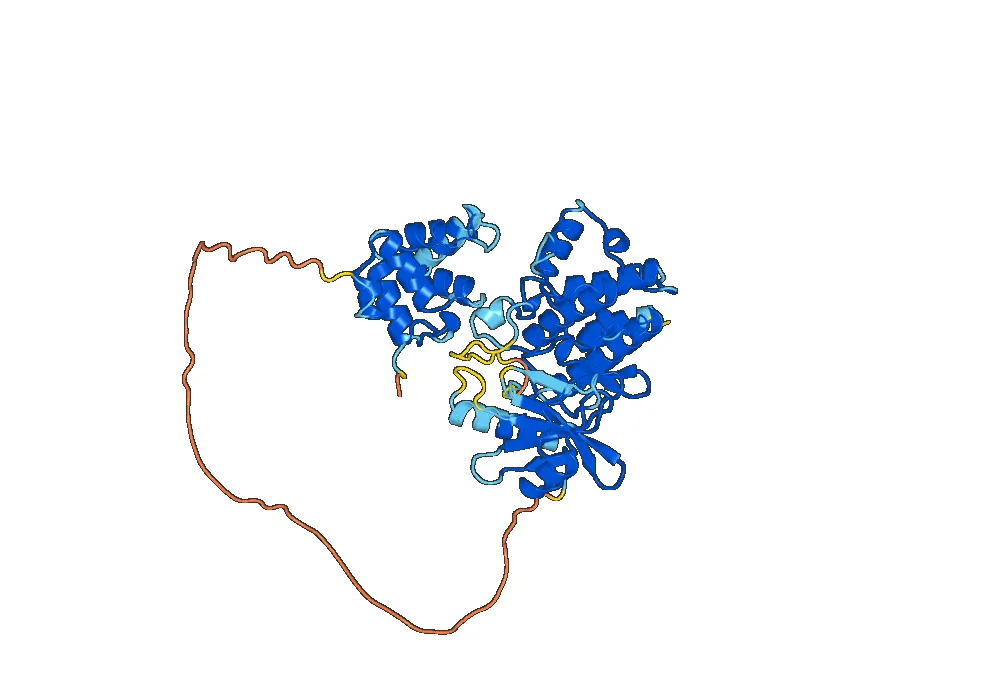
Recombinant Caenorhabditis elegans HECD-1 Protein is a large multidomain protein consisting of 16 von Willebrand factor type A (VWA) domains, 4 epidermal growth factor (EGF)-like domains, and a C-terminal fibulin-type domain. The VWA domains are responsible for binding to extracellular matrix components, while the EGF-like domains are involved in protein-protein interactions. The fibulin-type domain is responsible for mediating cell adhesion and migration. This unique structure allows HECD-1 to interact with various components of the extracellular matrix and play a crucial role in cell adhesion and migration.
Activity
The primary function of HECD-1 is to maintain the structural integrity of the extracellular matrix in Caenorhabditis elegans. It is expressed in the hypodermis, which is the outermost layer of the nematode’s body. HECD-1 is secreted into the extracellular matrix and forms a network of fibers that provide structural support to the body. Studies have shown that HECD-1 is essential for the proper development and maintenance of the cuticle, which is the protective outer layer of the nematode. It also plays a role in the formation and maintenance of the basement membrane, which is a thin sheet of specialized extracellular matrix that separates the hypodermis from the underlying tissues.
In addition to its structural role, HECD-1 has also been shown to have signaling functions. It has been reported to interact with several signaling proteins, including the Wnt signaling pathway, which is involved in various processes such as cell proliferation, differentiation, and migration. HECD-1 has also been shown to interact with the Notch signaling pathway, which is important for cell fate determination and tissue development. These interactions suggest that HECD-1 may play a role in regulating cell signaling and tissue development in Caenorhabditis elegans.
Application
Recombinant Caenorhabditis elegans HECD-1 Protein has been used in various studies to understand its structure and function. The recombinant protein has been produced in different expression systems, including bacteria, yeast, and insect cells, and has been purified for further analysis. The availability of recombinant HECD-1 has allowed researchers to study its interactions with other proteins and its role in cell adhesion and signaling.
One of the potential applications of recombinant HECD-1 is in tissue engineering. The unique structure and functions of HECD-1 make it a promising candidate for developing biomaterials that can mimic the extracellular matrix of Caenorhabditis elegans. These biomaterials can be used to promote cell adhesion and migration, which are essential processes in tissue regeneration.
Furthermore, recombinant HECD-1 has also been studied as a potential therapeutic target. It has been reported to be overexpressed in certain cancer types, suggesting its involvement in tumor development and progression. Inhibition of HECD-1 has been shown to suppress tumor growth in animal models, making it a potential target for cancer treatment.
Conclusion
In conclusion, Recombinant Caenorhabditis elegans HECD-1 Protein is a unique and versatile protein with a complex structure and diverse functions. It plays a crucial role in maintaining the structural integrity of the extracellular matrix in Caenorhabditis elegans and has signaling functions that regulate cell adhesion and migration. The availability of recombinant HECD-1 has allowed for further studies on its structure and function, as well as potential applications in tissue engineering and cancer treatment. Further research on this protein may provide valuable insights into its role




There are no reviews yet.