Introduction to Recombinant Human ADH5 Protein
Recombinant Human ADH5 Protein, also known as alcohol dehydrogenase 5, is a key enzyme involved in the metabolism of alcohol. It is a 40 kDa protein that is encoded by the ADH5 gene located on chromosome 4 in humans. This protein plays a crucial role in the conversion of ethanol to acetaldehyde, a toxic byproduct of alcohol metabolism. Recombinant Human ADH5 Protein is widely used in research and pharmaceutical applications due to its unique structure and activity.
Structure of Recombinant Human ADH5 Protein
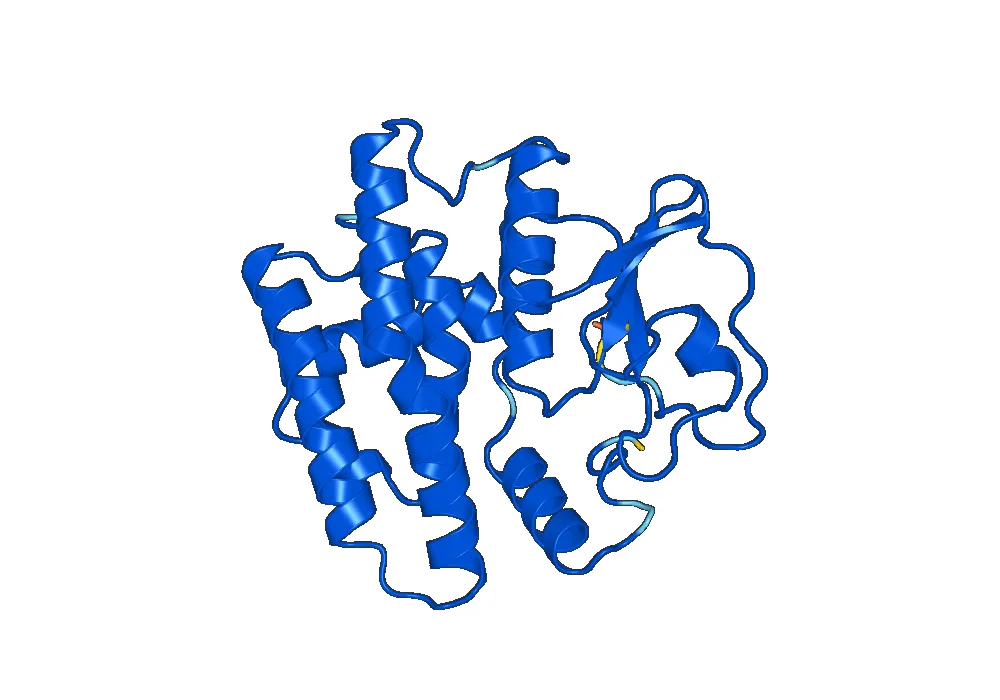
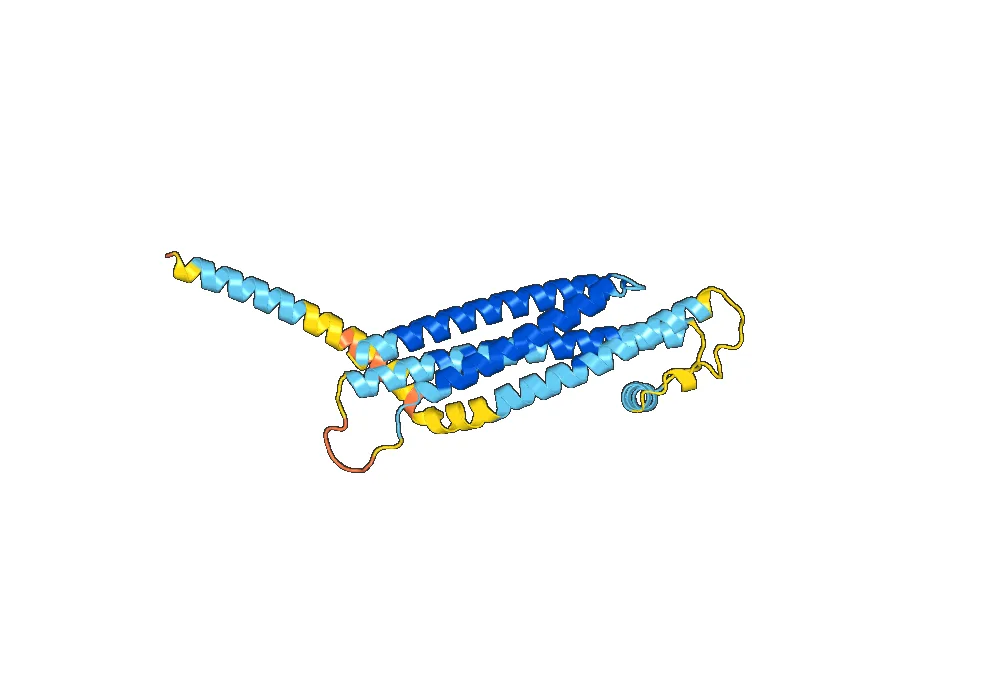
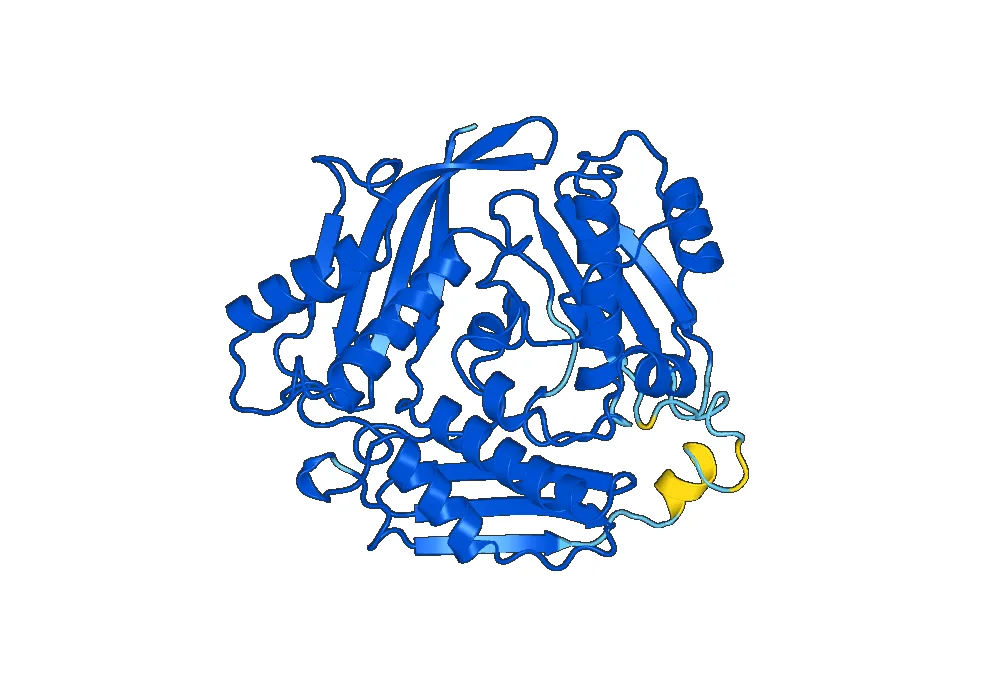
The structure of Recombinant Human ADH5 Protein consists of a single polypeptide chain of 374 amino acids. It belongs to the alcohol dehydrogenase family, which is a group of enzymes that catalyze the oxidation of alcohols to aldehydes or ketones. The protein has a highly conserved NAD(P)-binding domain, which is essential for its enzymatic activity. It also contains a zinc-binding motif that is crucial for maintaining its structural stability.
Recombinant Human ADH5 Protein is produced through recombinant DNA technology, where the ADH5 gene is inserted into an expression vector and then expressed in a suitable host cell. This allows for the production of large quantities of pure and biologically active protein.
Activity of Recombinant Human ADH5 Protein
The primary function of Recombinant Human ADH5 Protein is the oxidation of ethanol to acetaldehyde. This reaction is essential for the metabolism of alcohol in the liver and other tissues. The enzyme achieves this by using the coenzyme NAD+ as an electron acceptor, which is reduced to NADH in the process. The NADH produced can then be used in other metabolic reactions, making Recombinant Human ADH5 Protein a crucial player in cellular energy metabolism.
In addition to its role in alcohol metabolism, Recombinant Human ADH5 Protein has also been found to have other activities. It can catalyze the oxidation of other primary and secondary alcohols, as well as aldehydes and ketones. This broad substrate specificity makes it a valuable tool in various biochemical and biotechnological applications.
Applications of Recombinant Human ADH5 Protein
Recombinant Human ADH5 Protein has a wide range of applications in both research and pharmaceutical settings. Its ability to efficiently convert ethanol to acetaldehyde makes it a crucial enzyme in the study of alcohol metabolism and its effects on the body. It is also used in the development of drugs for alcohol dependence and alcohol-related disorders.
Furthermore, Recombinant Human ADH5 Protein is used in the production of diagnostic kits for testing for alcohol consumption. It is also utilized in the synthesis of various aldehydes and ketones, which are important building blocks in the chemical and pharmaceutical industries. Its broad substrate specificity and high catalytic efficiency make it a valuable tool in synthetic biology and biocatalysis.
Conclusion
In summary, Recombinant Human ADH5 Protein is a key enzyme involved in the metabolism of alcohol. Its unique structure and activity make it a valuable tool in research and pharmaceutical applications. Through recombinant DNA technology, this protein can be produced in large quantities and used in various biochemical and biotechnological processes. Its role in alcohol metabolism and its broad substrate specificity make it an essential enzyme in understanding and treating alcohol-related disorders.
Keywords: Recombinant Human ADH5 Protein, alcohol dehydrogenase, alcohol metabolism, NAD+, biotechnology, synthetic biology.

There are no reviews yet.