Introduction
Recombinant Human AP1G1 Protein is a highly purified form of the AP1G1 protein, which is a key component of the adaptor protein 1 (AP1) complex. This protein plays a crucial role in intracellular protein trafficking and is essential for maintaining the proper function of the cell. In this article, we will discuss the structure, activity, and application of Recombinant Human AP1G1 Protein.
Structure of Recombinant Human AP1G1 Protein
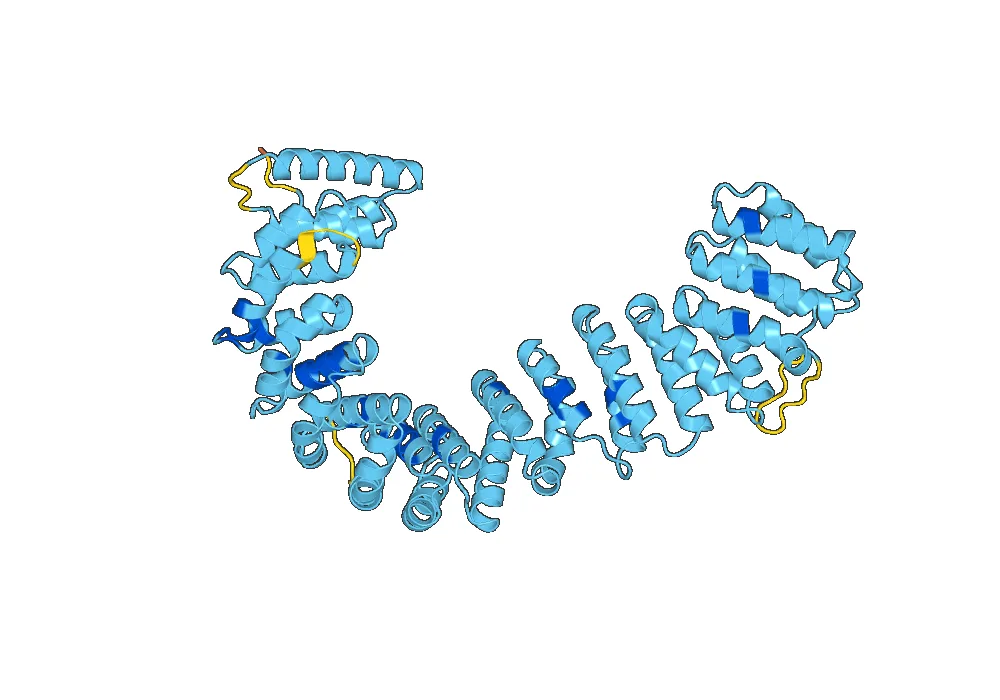
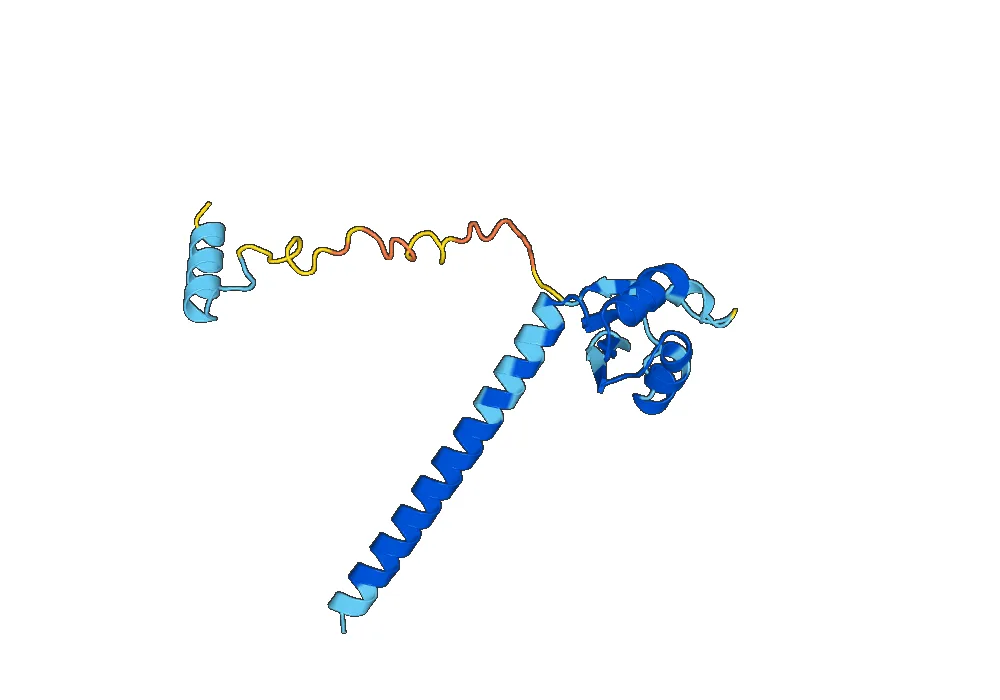
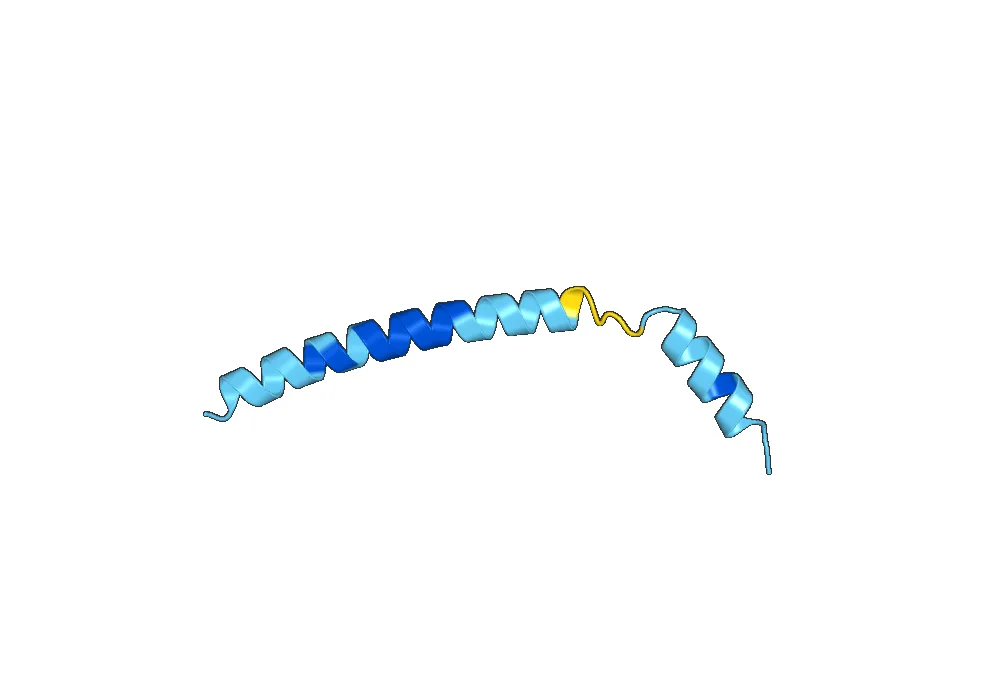
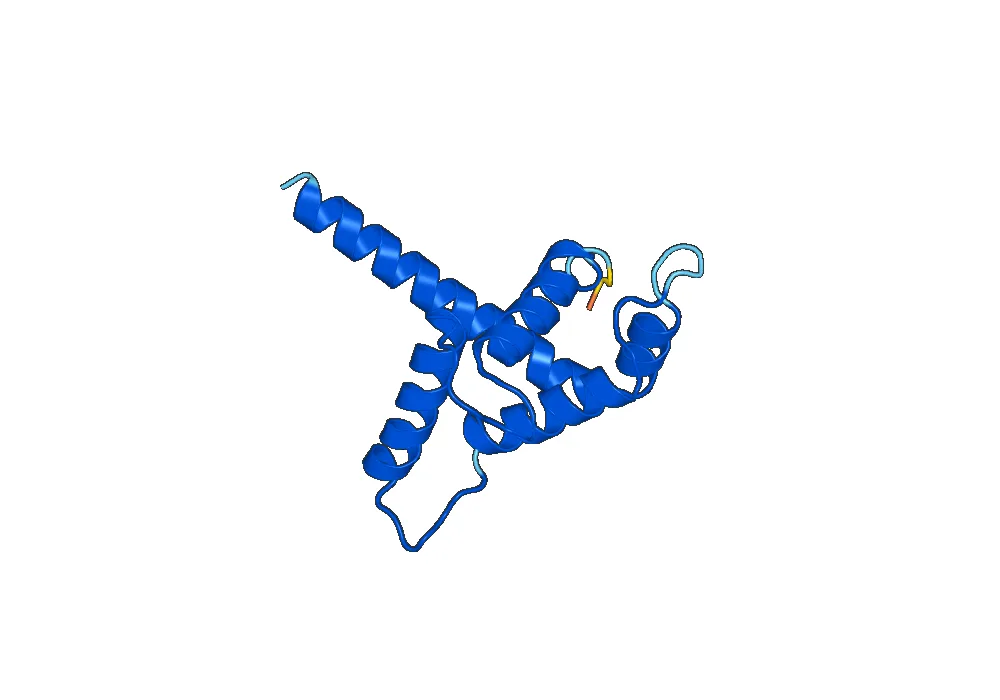
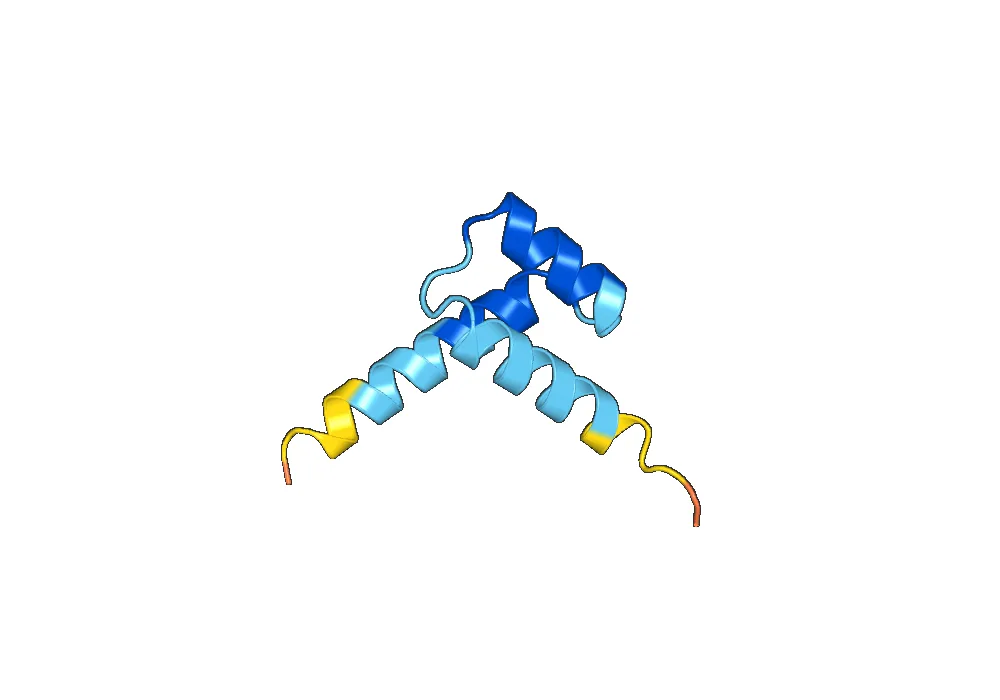
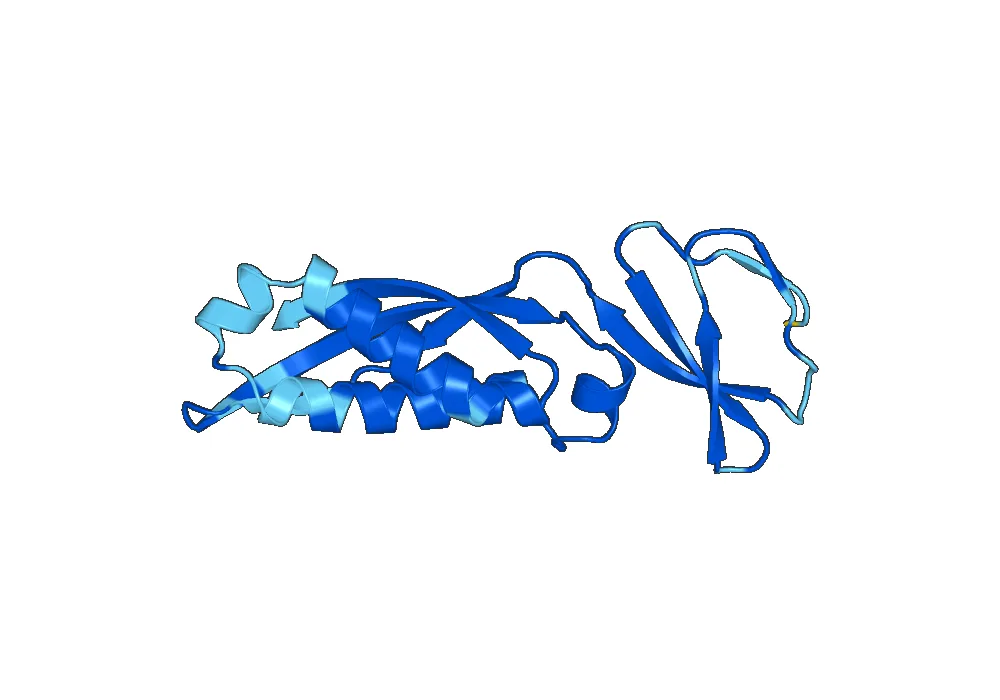
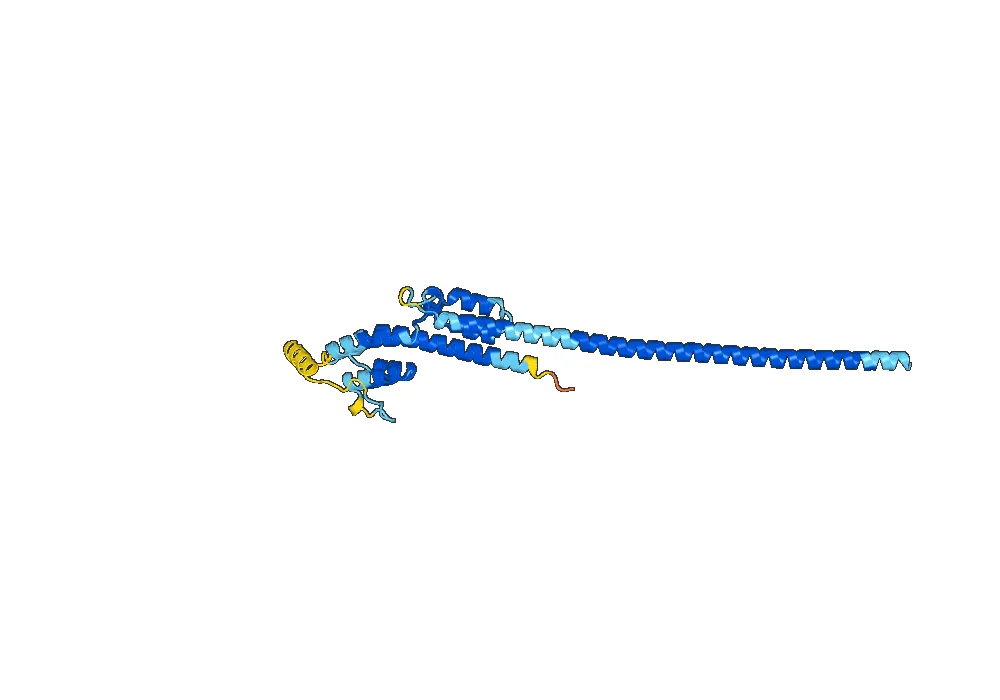
Recombinant Human AP1G1 Protein is a 102 kDa protein consisting of 892 amino acids. It is composed of four subunits: α, β1, μ1, and σ1. The α and β1 subunits form the core of the AP1 complex, while the μ1 and σ1 subunits are responsible for binding to specific cargo proteins. The crystal structure of Recombinant Human AP1G1 Protein has been determined, revealing a triskelion-like shape with three legs, each consisting of the α and β1 subunits.
Activity of Recombinant Human AP1G1 Protein
The main function of Recombinant Human AP1G1 Protein is to regulate the transport of proteins from the trans-Golgi network (TGN) to the endosomes and lysosomes. It does this by recognizing and binding to specific sorting signals on the cargo proteins and then recruiting other proteins to form vesicles for transport. This process is crucial for maintaining the proper functioning of the cell and is essential for various cellular processes, including cell growth, division, and signaling.
Application of Recombinant Human AP1G1 Protein
Recombinant Human AP1G1 Protein has various applications in both research and medical fields. Some of the key applications are:
- Cell Biology: Recombinant Human AP1G1 Protein is widely used in cell biology studies to understand the mechanisms of intracellular protein trafficking and its role in various cellular processes.
- Drug Discovery: The dysregulation of protein trafficking has been linked to various diseases, including cancer and neurodegenerative disorders. Recombinant Human AP1G1 Protein can be used in drug discovery to identify potential therapeutic targets for these diseases.
- Antigen for Antibody Production: Recombinant Human AP1G1 Protein can be used as an antigen to produce specific antibodies for research and diagnostic purposes.
- Protein Production: Recombinant Human AP1G1 Protein can be produced in large quantities using recombinant DNA technology, making it a valuable tool for protein production and purification.
Conclusion
In summary, Recombinant Human AP1G1 Protein is a crucial protein involved in intracellular protein trafficking. Its structure, activity, and various applications make it an essential tool for understanding cellular processes and developing potential therapies for diseases. With the advancements in recombinant protein technology, the production and purification of Recombinant Human AP1G1 Protein have become more accessible, making it a valuable resource for both research and medical fields.


There are no reviews yet.