Introduction
Recombinant Human ARNT/HIF1-beta Protein, also known as Aryl Hydrocarbon Receptor Nuclear Translocator (ARNT) or Hypoxia-inducible Factor 1-beta (HIF1-beta), is a protein that plays a crucial role in cellular response to hypoxia, or low oxygen levels. It is a recombinant protein, meaning it is produced through genetic engineering techniques, and has a variety of functions and applications in the field of biotechnology and medicine.
Structure of Recombinant Human ARNT/HIF1-beta Protein
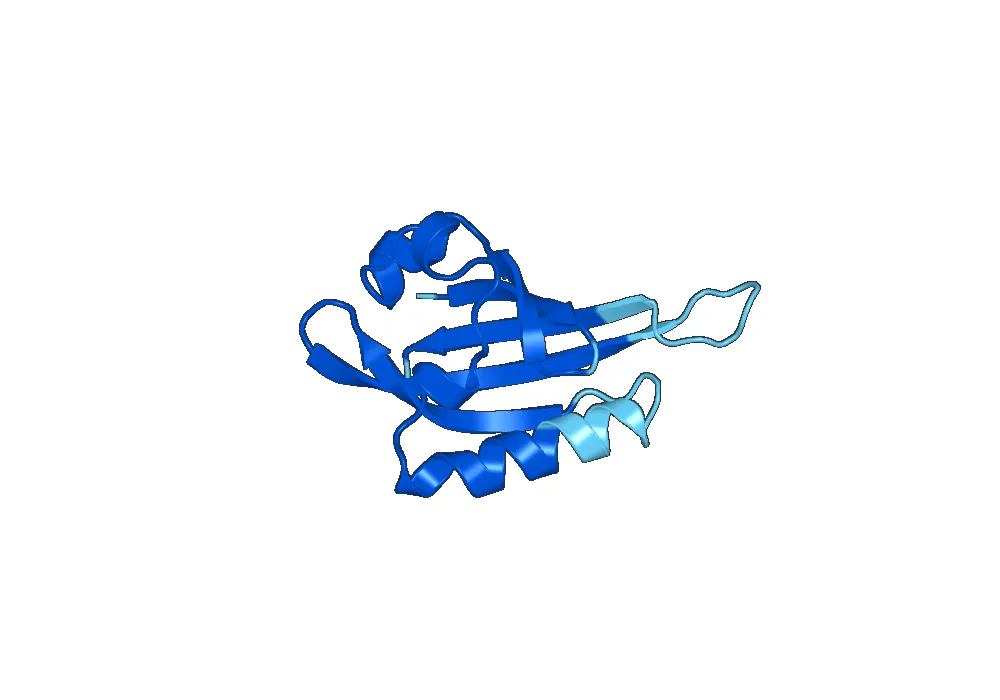
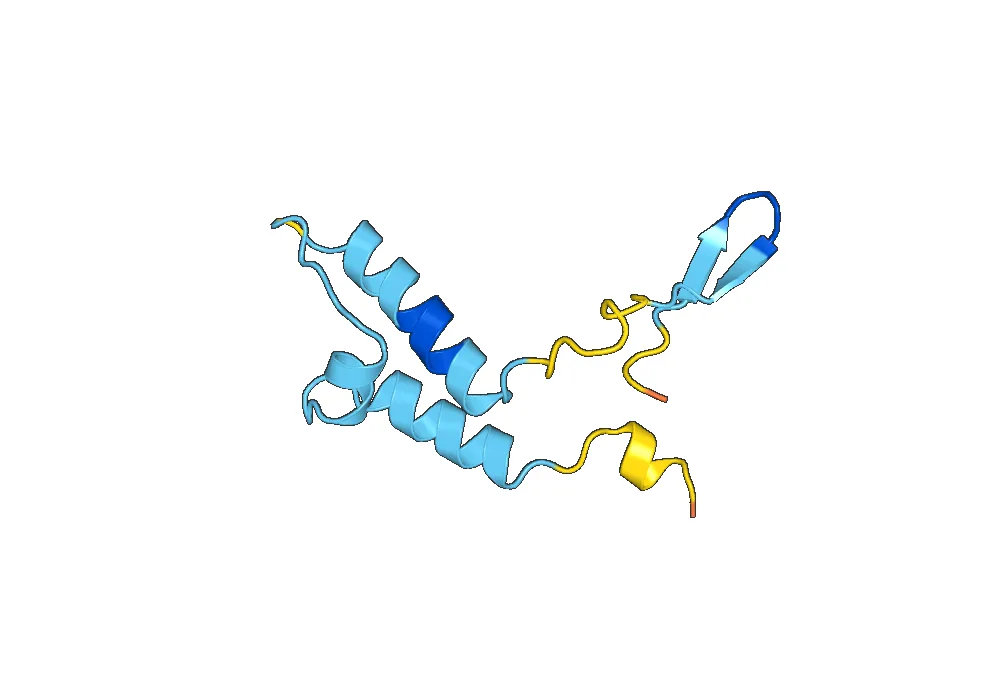
The ARNT/HIF1-beta protein is composed of 789 amino acids and has a molecular weight of approximately 91 kDa. It is a member of the basic-helix-loop-helix (bHLH)-Per-Arnt-Sim (PAS) family of transcription factors, which are known for their role in regulating gene expression in response to environmental signals. The protein contains several functional domains, including a bHLH domain, a PAS-A domain, a PAS-B domain, and a PAS-C domain.
The bHLH domain is responsible for DNA binding and dimerization with other bHLH-PAS proteins, while the PAS domains are involved in sensing and responding to environmental signals. The PAS-A domain is important for heterodimerization with the hypoxia-inducible factor 1-alpha (HIF1-alpha) protein, while the PAS-B and PAS-C domains are involved in binding to other transcription factors and coactivators.
Activity of Recombinant Human ARNT/HIF1-beta Protein
The primary function of ARNT/HIF1-beta protein is to act as a transcription factor, regulating the expression of genes involved in cellular responses to hypoxia. Under normal oxygen levels, the ARNT/HIF1-beta protein forms a heterodimer with the HIF1-alpha protein, which is rapidly degraded by the proteasome. However, under hypoxic conditions, the HIF1-alpha protein is stabilized and translocates to the nucleus, where it binds to the ARNT/HIF1-beta protein to form the active HIF1 transcription factor complex.
The HIF1 complex then binds to specific DNA sequences known as hypoxia response elements (HREs) in the promoters of target genes, leading to their upregulation. These target genes include those involved in angiogenesis, glycolysis, and erythropoiesis, which are all essential for cellular adaptation to low oxygen levels.
Application of Recombinant Human ARNT/HIF1-beta Protein
Due to its important role in regulating cellular responses to hypoxia, the ARNT/HIF1-beta protein has a wide range of applications in biotechnology and medicine. One of the most significant applications is in the development of therapeutics for diseases related to hypoxia, such as cancer and cardiovascular diseases.
For example, targeting the HIF1 complex with small molecule inhibitors can potentially inhibit the growth and survival of cancer cells, which often have a high demand for oxygen and nutrients. In addition, recombinant ARNT/HIF1-beta protein can be used in drug screening assays to identify potential HIF1 inhibitors or activators.
The ARNT/HIF1-beta protein also has potential applications in regenerative medicine, as it plays a critical role in the differentiation of stem cells into specific cell types under hypoxic conditions. By manipulating the activity of the HIF1 complex, researchers can control the differentiation of stem cells into various cell types, such as neurons or cardiomyocytes, for therapeutic purposes.
Conclusion
In summary, Recombinant Human ARNT/HIF1-beta Protein is a crucial protein involved in cellular responses to hypoxia. Its structure, activity, and applications make it a valuable tool in biotechnology and medicine. Further research on this protein and its interactions with other transcription factors may lead to the development of


There are no reviews yet.