Title: Introduction to Recombinant Human ATF6 Protein: A Key Regulator of the Unfolded Protein Response
Recombinant human ATF6 protein, also known as Activating Transcription Factor 6, is a crucial component of the Unfolded Protein Response (UPR) pathway. This protein is involved in regulating cellular stress responses and maintaining protein homeostasis in the endoplasmic reticulum (ER). In this article, we will explore the structure, activity, and application of recombinant human ATF6 protein.
Structure of Recombinant Human ATF6 Protein
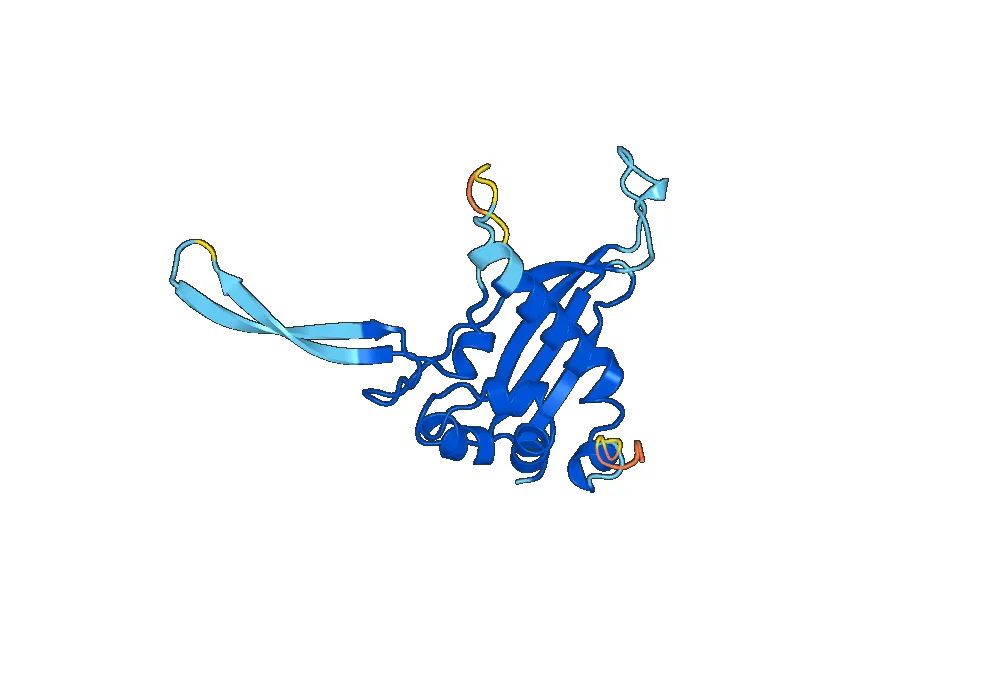
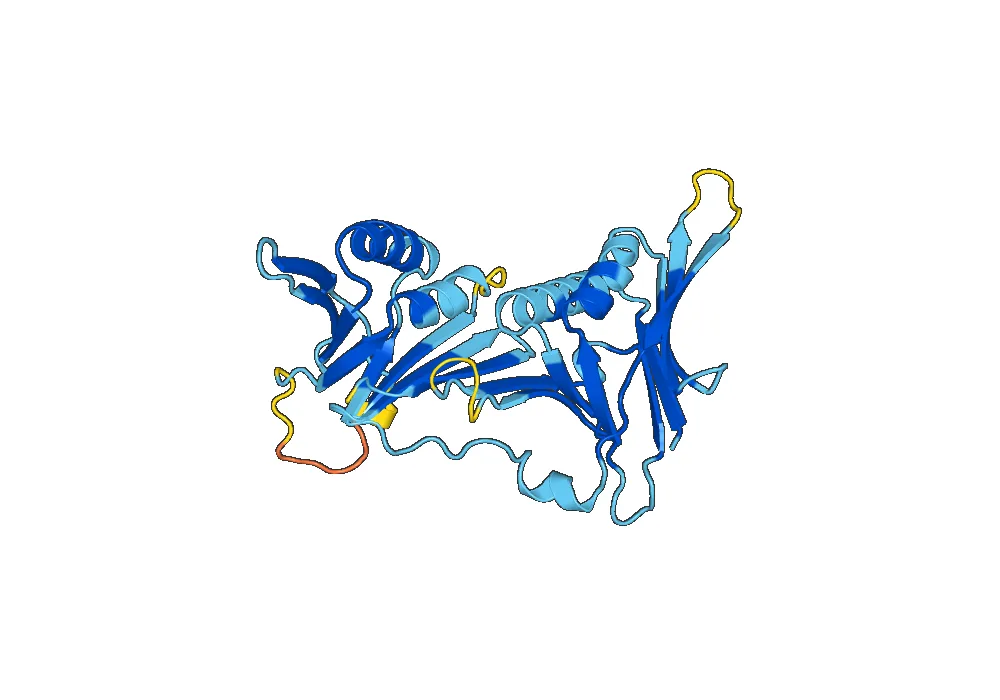
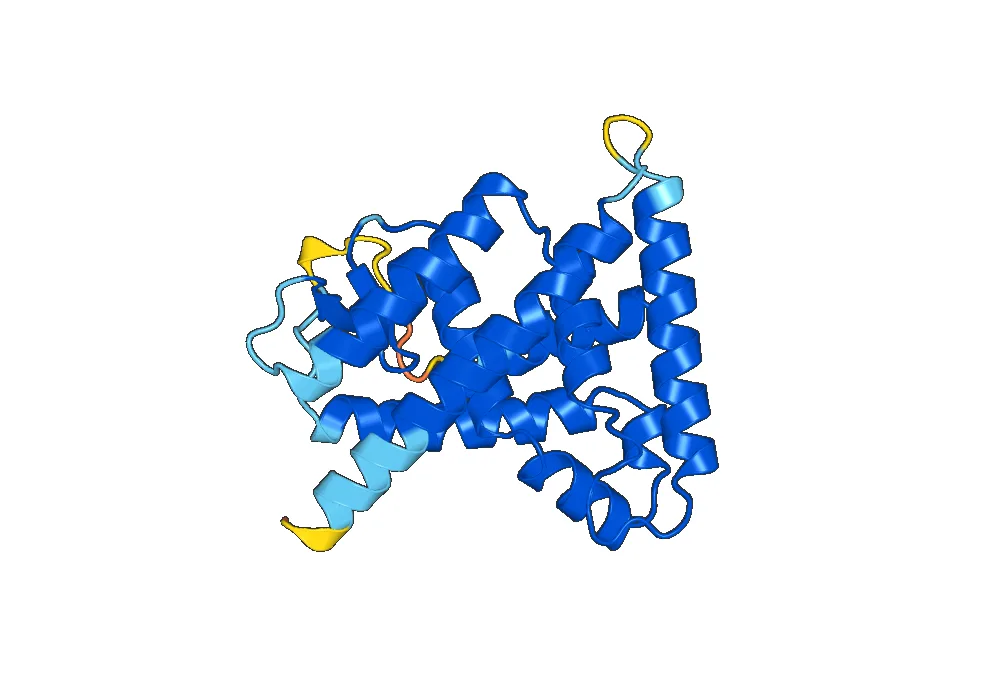
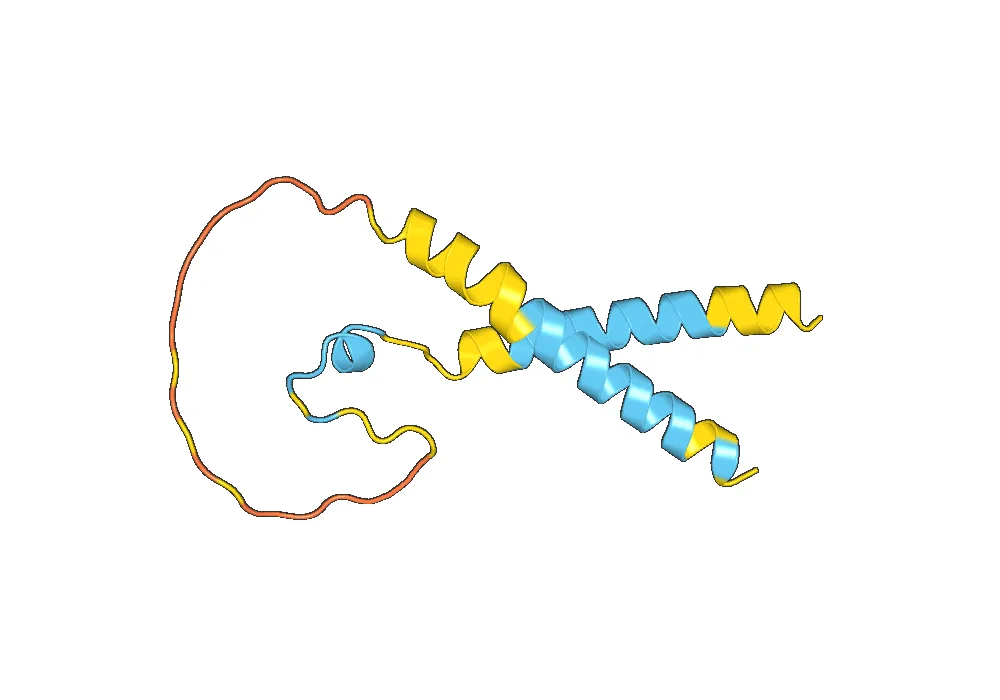
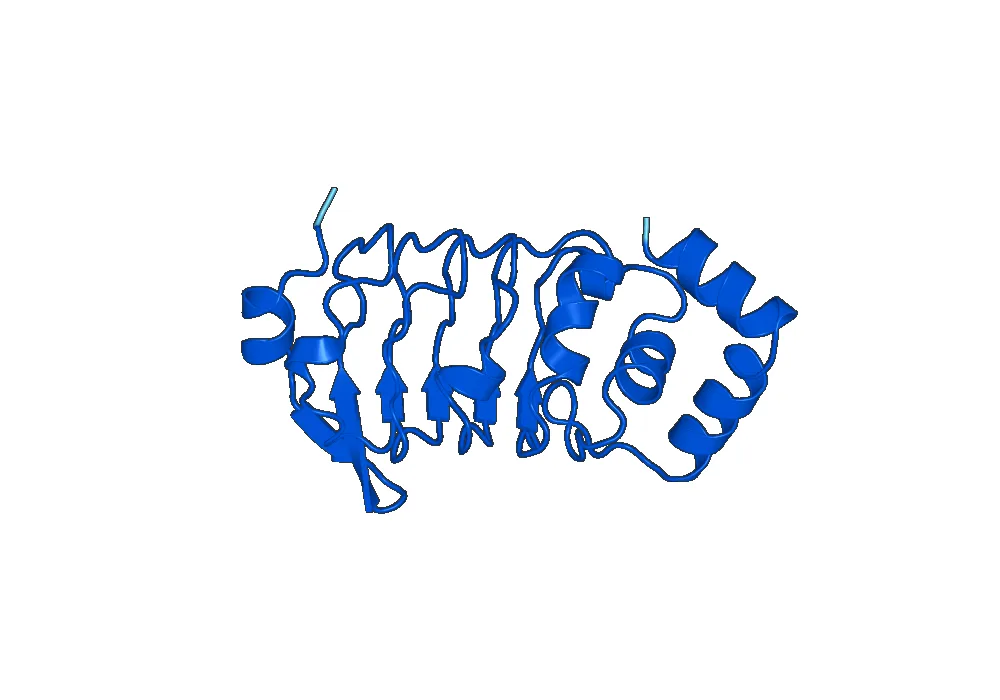
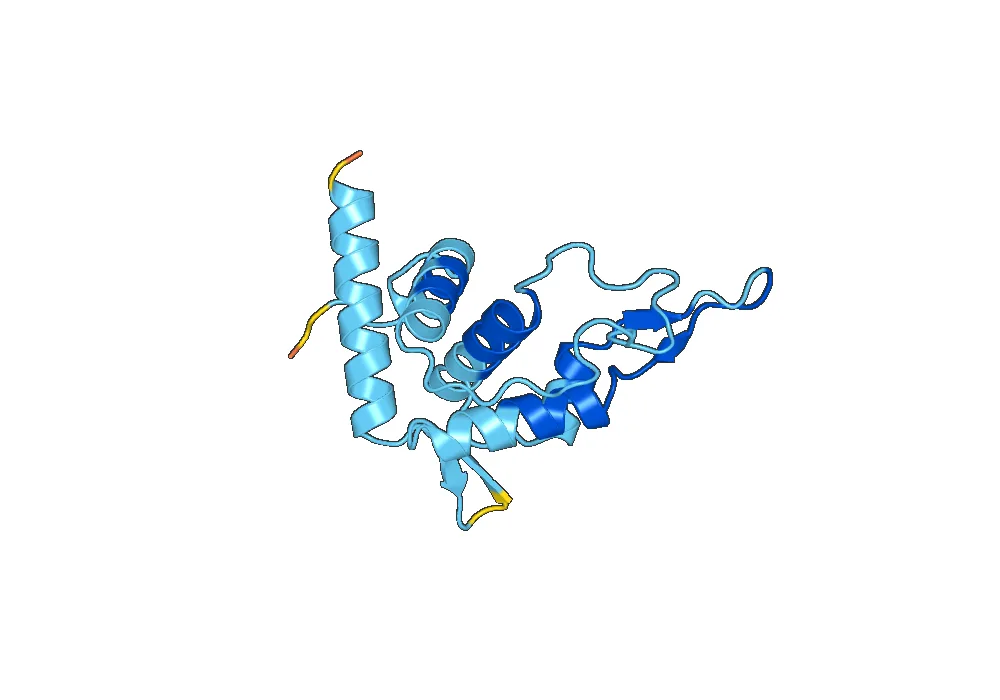
The ATF6 gene is located on chromosome 1 in humans and encodes a protein of 670 amino acids. The recombinant human ATF6 protein is a transcription factor that belongs to the basic leucine zipper (bZIP) family. It has a characteristic bZIP domain, which is responsible for DNA binding and dimerization, and a transmembrane domain that anchors it to the ER membrane.
Upon activation, the transmembrane domain of ATF6 is cleaved by proteases, resulting in the release of the cytoplasmic portion of the protein. This cleaved form, known as p50ATF6, translocates to the nucleus where it binds to specific DNA sequences and activates the transcription of genes involved in the UPR pathway.
Activity of Recombinant Human ATF6 Protein
The primary function of recombinant human ATF6 protein is to regulate the UPR pathway, which is activated in response to ER stress. ER stress can be caused by various factors such as the accumulation of misfolded proteins, nutrient deprivation, or changes in calcium levels.
Upon activation, ATF6 translocates to the nucleus and binds to the promoters of target genes, including chaperones, foldases, and ER-associated degradation (ERAD) components. These genes are involved in the proper folding and degradation of misfolded proteins, thus restoring ER homeostasis.
In addition to its role in the UPR pathway, recombinant human ATF6 protein has also been shown to regulate lipid metabolism, cell survival, and immune responses. It has been implicated in various diseases such as diabetes, cancer, and neurodegenerative disorders, making it a potential therapeutic target.
Application of Recombinant Human ATF6 Protein
Recombinant human ATF6 protein has been widely used in research to study the UPR pathway and its role in various diseases. It is also used in drug discovery and development, as well as in the production of recombinant proteins.
One of the key applications of recombinant human ATF6 protein is in the development of diagnostic tools for ER stress-related diseases. The level of activated ATF6 can serve as a biomarker for ER stress, and its detection can aid in the diagnosis and monitoring of diseases such as diabetes and cancer.
Moreover, recombinant human ATF6 protein has been used in the development of therapeutic agents for ER stress-related diseases. For example, small molecule inhibitors of ATF6 have been shown to ameliorate ER stress and improve insulin sensitivity in diabetic mice.
In the biotechnology industry, recombinant human ATF6 protein is used in the production of recombinant proteins. As a transcription factor, it can be fused to a protein of interest and expressed in cells, leading to the production of high yields of the desired protein.
Conclusion
Recombinant human ATF6 protein is a key regulator of the UPR pathway and plays a crucial role in maintaining ER homeostasis. Its structure, activity, and application have been extensively studied and have provided valuable insights into the mechanisms of ER stress-related diseases. With its potential as a therapeutic target and diagnostic tool, recombinant human ATF6 protein continues to be an important protein in the field of biotechnology.

There are no reviews yet.