Introduction
Recombinant Human ATF6 Protein is a highly important and widely used protein in the field of biotechnology. It is a recombinant protein that is produced through the process of genetic engineering, making it a valuable tool for various scientific applications. In this article, we will discuss the structure, activity, and applications of Recombinant Human ATF6 Protein.
Structure of Recombinant Human ATF6 Protein
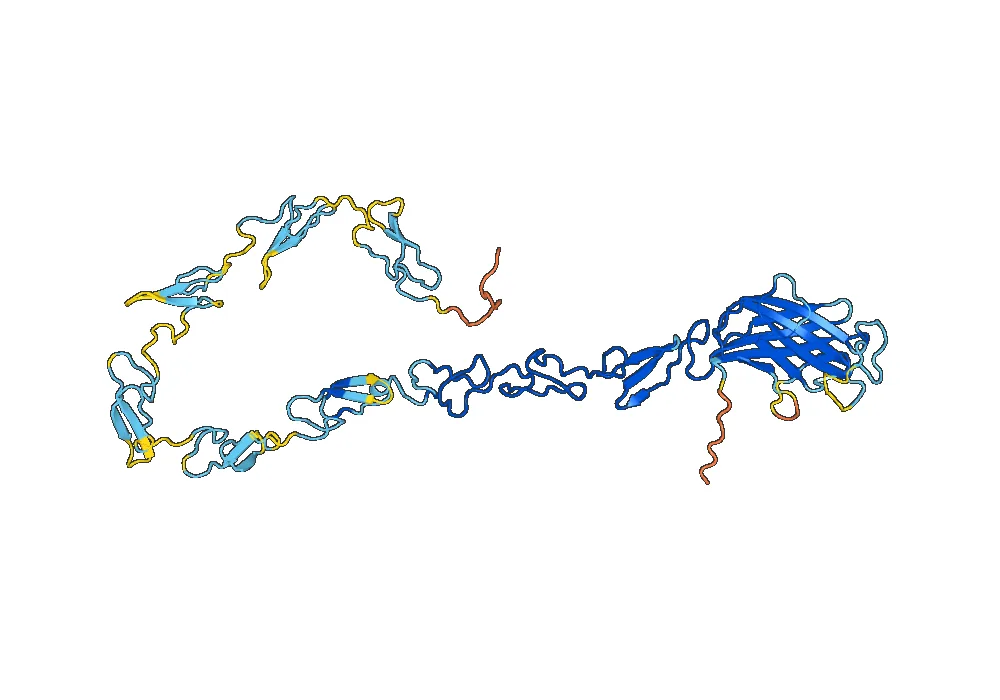
The ATF6 gene is located on chromosome 1 in humans and encodes for a protein that belongs to the basic leucine zipper (bZIP) family of transcription factors. The protein is composed of 670 amino acids and has a molecular weight of approximately 75 kDa. It is composed of three domains: an N-terminal transcriptional activation domain, a central DNA-binding domain, and a C-terminal domain that is responsible for nuclear localization and dimerization with other ATF6 proteins.
The recombinant version of the ATF6 protein is produced by cloning the gene into a suitable expression vector and then expressing it in a host cell, typically E. coli or mammalian cells. This allows for the production of large quantities of pure and functional protein for research purposes.
Activity of Recombinant Human ATF6 Protein
The main function of ATF6 protein is to regulate the unfolded protein response (UPR), a cellular stress response pathway that is activated when the endoplasmic reticulum (ER) is overwhelmed with improperly folded proteins. Under normal conditions, ATF6 is present in an inactive form in the ER membrane. When the UPR is activated, ATF6 is cleaved by proteases and translocates to the nucleus where it binds to specific DNA sequences and activates the expression of genes involved in protein folding and ER stress response.
The recombinant version of ATF6 protein retains its activity and can be used to study the UPR pathway in vitro. It can also be used to identify potential inhibitors or activators of the pathway, which can have therapeutic implications for diseases such as diabetes, neurodegenerative disorders, and cancer.
Applications of Recombinant Human ATF6 Protein
1. Research tool
Recombinant Human ATF6 Protein is a valuable tool for studying the UPR pathway and its role in various cellular processes. Its ability to bind to specific DNA sequences and regulate gene expression makes it an essential tool for understanding the molecular mechanisms of ER stress response.
2. Drug discovery
The UPR pathway has been implicated in various diseases, and targeting ATF6 protein could have therapeutic potential. Recombinant Human ATF6 Protein can be used in high-throughput screening assays to identify potential drug candidates that can modulate the UPR pathway and treat diseases such as diabetes and neurodegenerative disorders.
3. Diagnostic tool
Abnormal activation of the UPR pathway has been observed in various diseases, and measuring the levels of ATF6 protein in patient samples can serve as a diagnostic tool. Recombinant Human ATF6 Protein can be used to develop diagnostic kits for detecting the levels of ATF6 in patient samples, aiding in the early detection and management of diseases.
Conclusion
In summary, Recombinant Human ATF6 Protein is a crucial protein in biotechnology, with a well-defined structure, important activity, and diverse applications. Its role in regulating the UPR pathway makes it a valuable tool for research, drug discovery, and diagnostics. With ongoing research and advancements in genetic engineering techniques, the potential applications of this protein are continuously expanding, making it an essential component in the field of biotechnology.



There are no reviews yet.