Introduction
Recombinant proteins have revolutionized the field of biotechnology, providing researchers with a powerful tool for studying and manipulating biological processes. One such protein, Recombinant Human CILK1, has gained significant attention for its unique structure and diverse range of applications. In this article, we will explore the structure, activity, and application of Recombinant Human CILK1.
Structure of Recombinant Human CILK1
CILK1, also known as Cdk5 regulatory subunit-associated protein 1 (CDK5RAP1), is a protein that plays a crucial role in cell cycle regulation and neuronal development. The human CILK1 gene is located on chromosome 16 and encodes a protein of 1,077 amino acids. The recombinant form of CILK1 is produced by cloning the cDNA sequence into an expression vector and expressing it in a suitable host cell, typically E. coli or yeast.
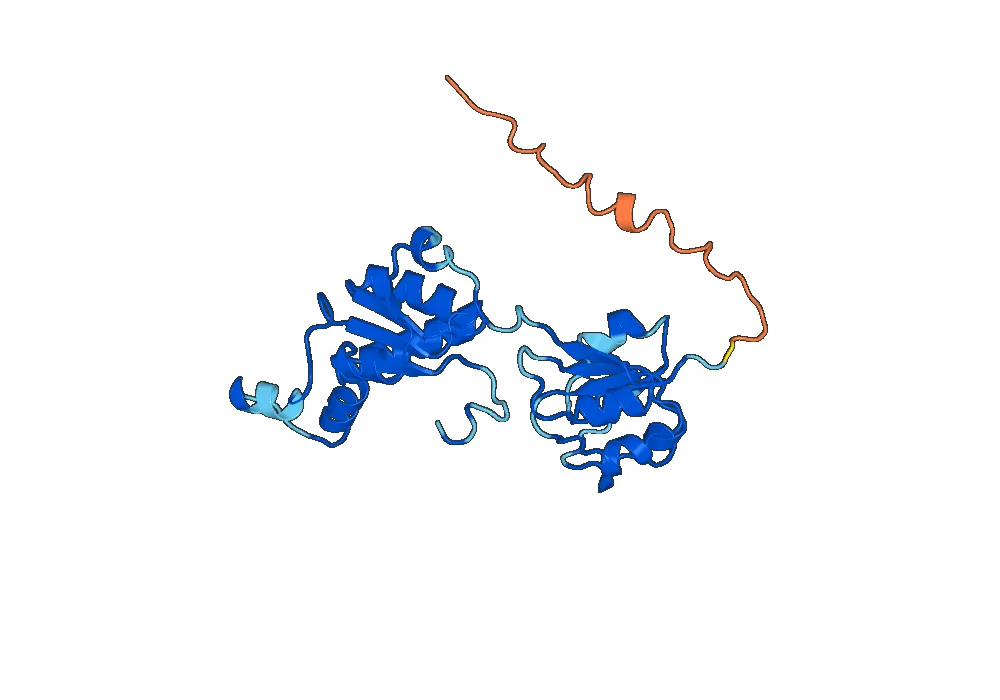
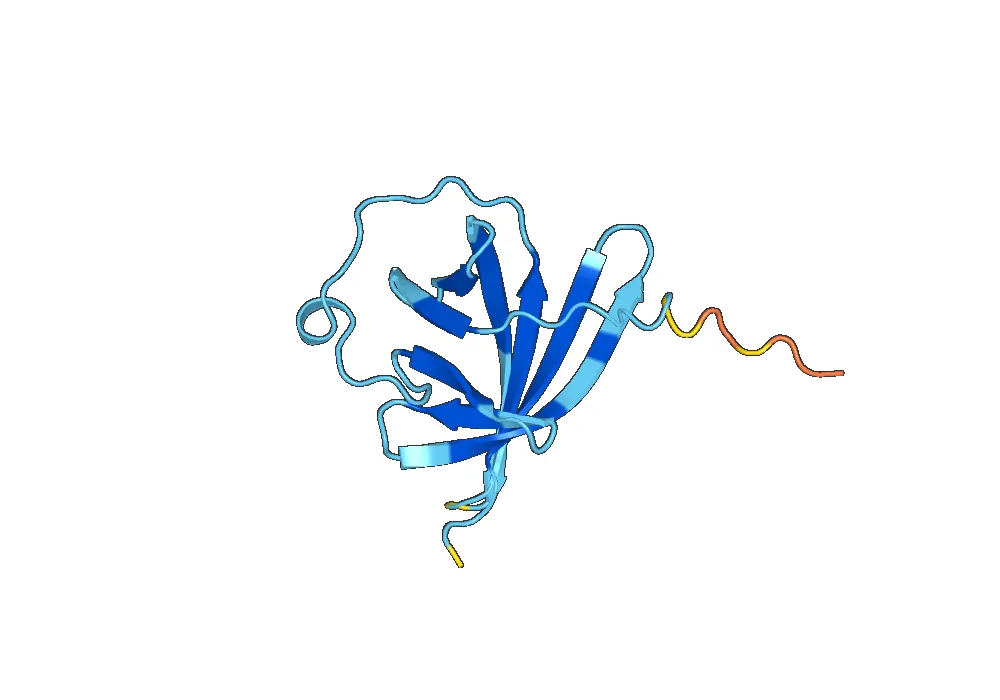
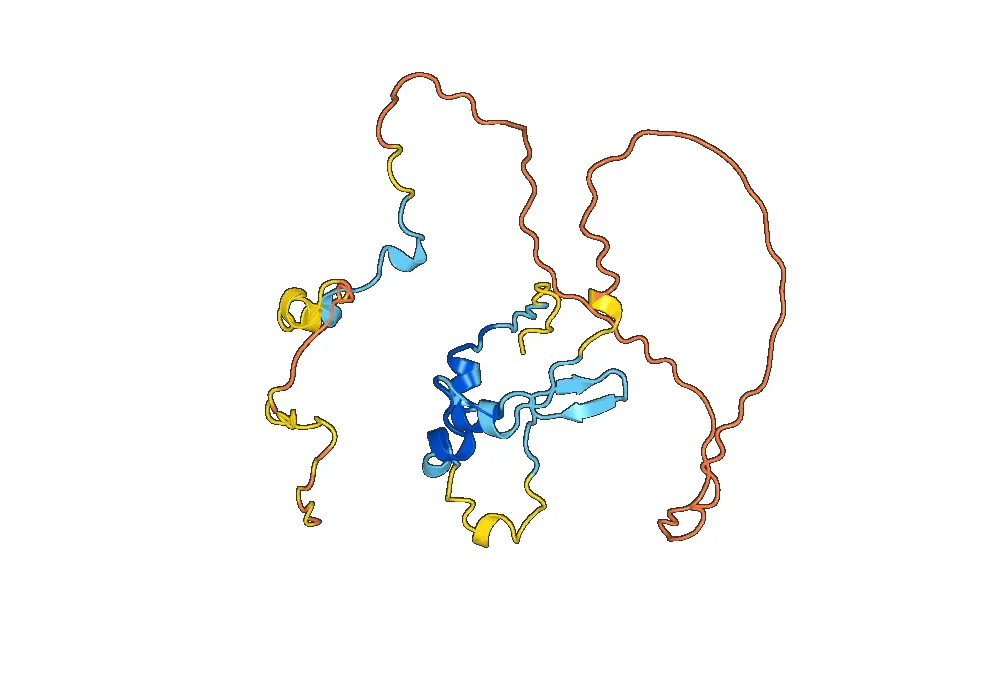
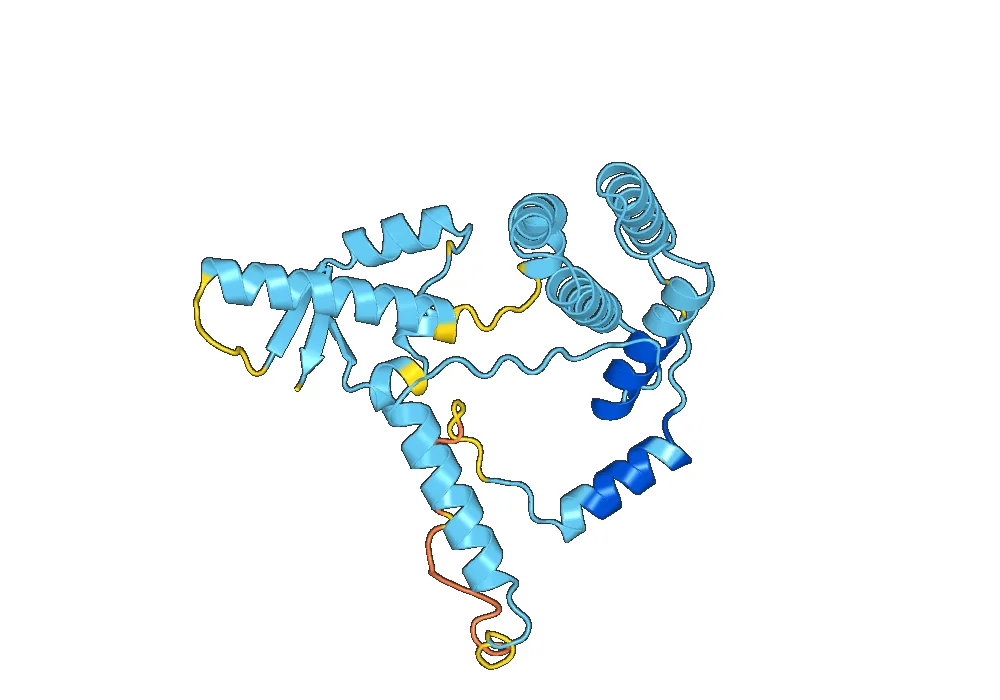
The recombinant CILK1 protein consists of several structural domains, including an N-terminal domain, a coiled-coil domain, and a C-terminal domain. The N-terminal domain is responsible for binding to the Cdk5 regulatory subunit, while the coiled-coil domain is involved in protein-protein interactions. The C-terminal domain contains a conserved Cdc2 phosphorylation site, which is essential for the regulation of CILK1 activity.
Activity of Recombinant Human CILK1
The primary function of CILK1 is to regulate the activity of the cyclin-dependent kinase 5 (Cdk5) complex, which is involved in many cellular processes, including cell cycle progression, neuronal migration, and synaptic plasticity. CILK1 binds to the Cdk5 regulatory subunit, thereby activating the Cdk5 complex and promoting its kinase activity. This, in turn, leads to the phosphorylation of downstream targets, ultimately regulating various cellular processes.
Moreover, CILK1 has been shown to interact with other proteins, such as the microtubule-associated protein Tau, which plays a critical role in the pathogenesis of Alzheimer’s disease. CILK1-mediated phosphorylation of Tau has been linked to the formation of neurofibrillary tangles, a hallmark of Alzheimer’s disease.
Application of Recombinant Human CILK1
The unique structure and activity of Recombinant Human CILK1 make it a valuable tool for various applications in the fields of biotechnology and medicine. One of the most significant applications of CILK1 is in the development of new therapeutics for neurodegenerative diseases, such as Alzheimer’s and Parkinson’s disease. By targeting CILK1 and its interaction with Tau, researchers can potentially develop treatments that could prevent or delay the progression of these diseases.
Another important application of CILK1 is in the study of cell cycle regulation and neuronal development. Recombinant CILK1 can be used to investigate the role of Cdk5 in these processes and to identify potential therapeutic targets for diseases associated with cell cycle dysregulation and abnormal neuronal development.
Furthermore, recombinant CILK1 has been used in various biochemical and cell biology studies, including protein-protein interaction studies and functional assays. Its ability to activate the Cdk5 complex and phosphorylate downstream targets makes it a valuable tool for understanding the molecular mechanisms underlying various cellular processes.
Conclusion
In summary, Recombinant Human CILK1 is a unique protein with a crucial role in cell cycle regulation and neuronal development. Its recombinant form has been widely used in various applications, including the development of new therapeutics, studying cellular processes, and biochemical assays. With ongoing research and advancements in biotechnology,

There are no reviews yet.