Introduction to Recombinant Human BACH1 Protein
Recombinant Human BACH1 Protein, also known as BTB and CNC homology 1 protein, is a transcription factor that plays a crucial role in regulating gene expression. It is a member of the basic leucine zipper (bZIP) family of transcription factors and is involved in a variety of cellular processes such as cell proliferation, differentiation, and stress response. The recombinant form of this protein is produced through genetic engineering techniques, making it a valuable tool for research and therapeutic applications.
Structure of Recombinant Human BACH1 Protein
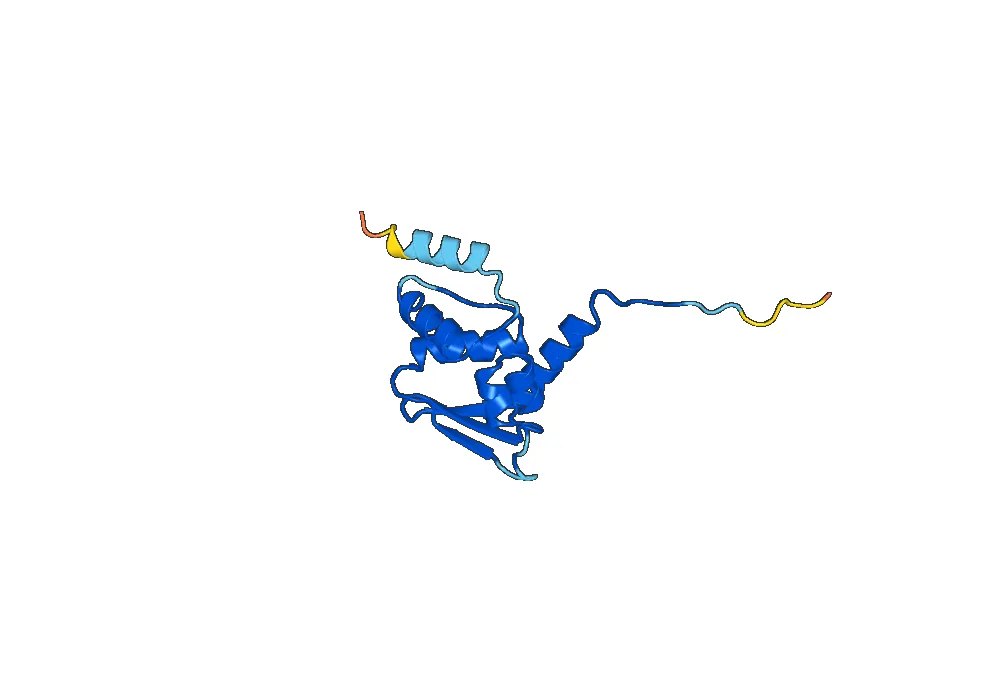
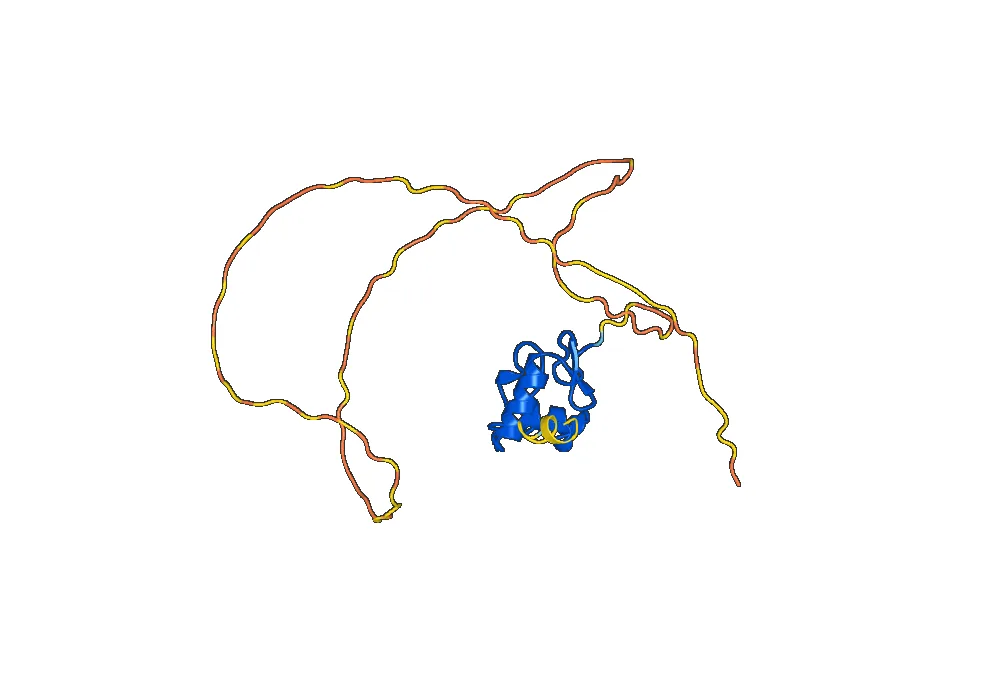
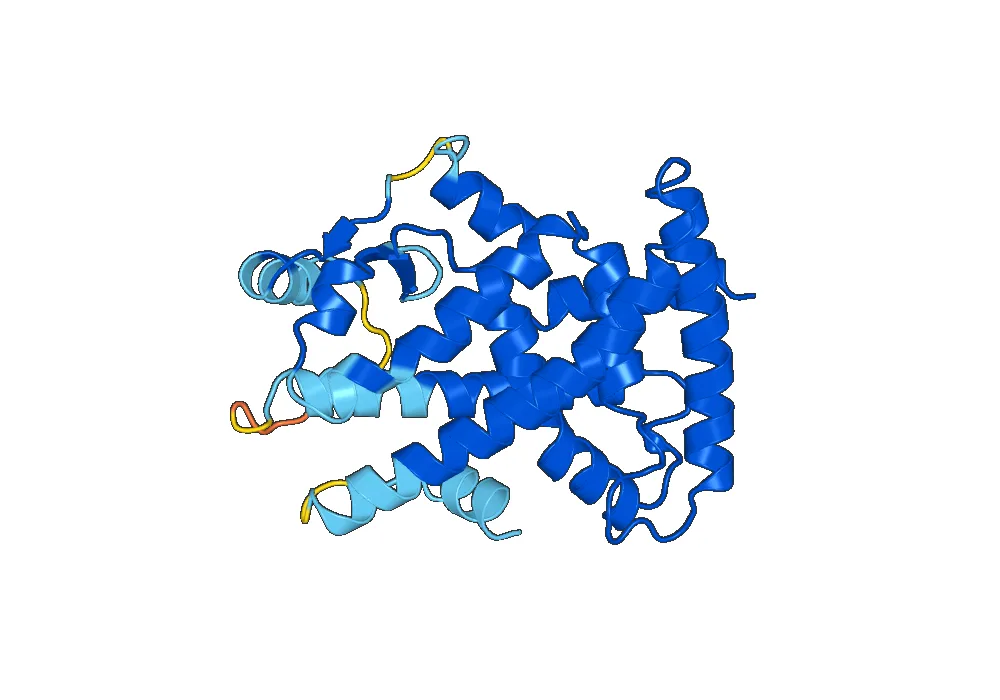
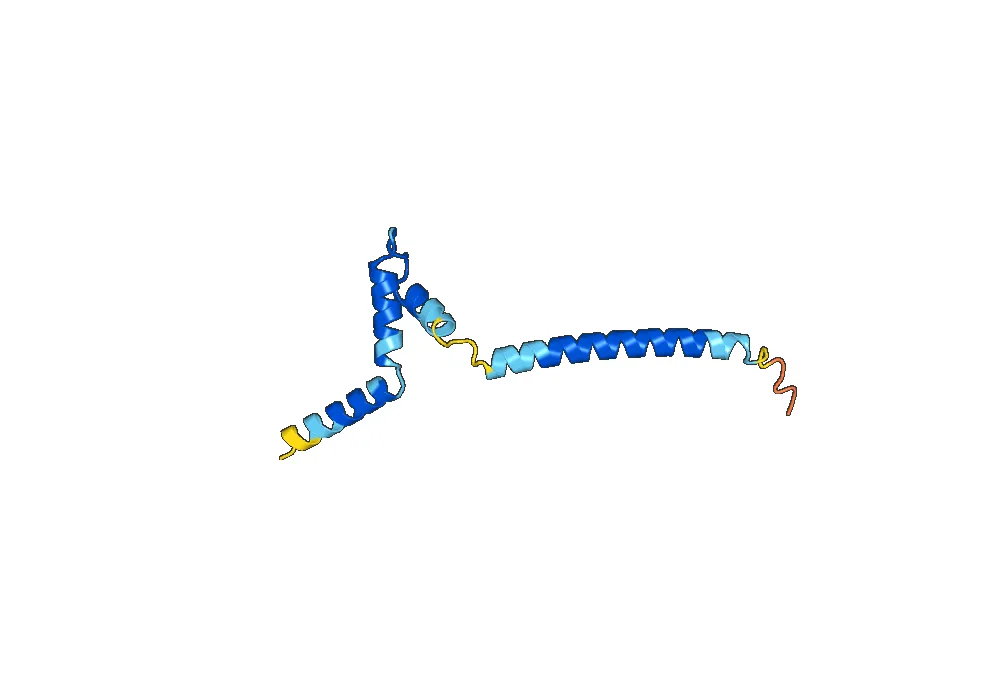
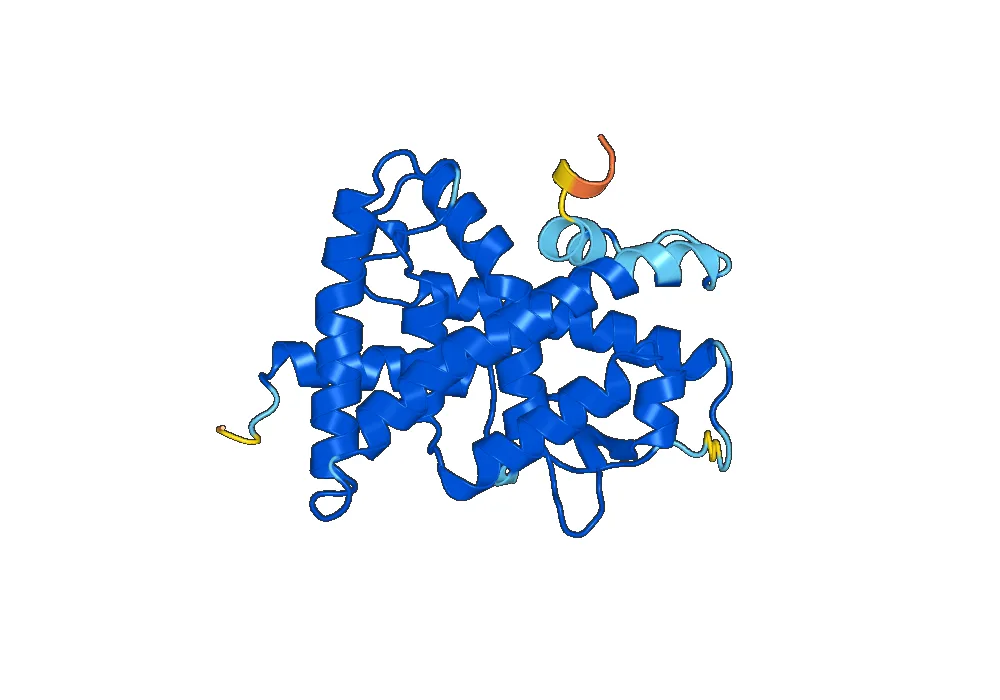
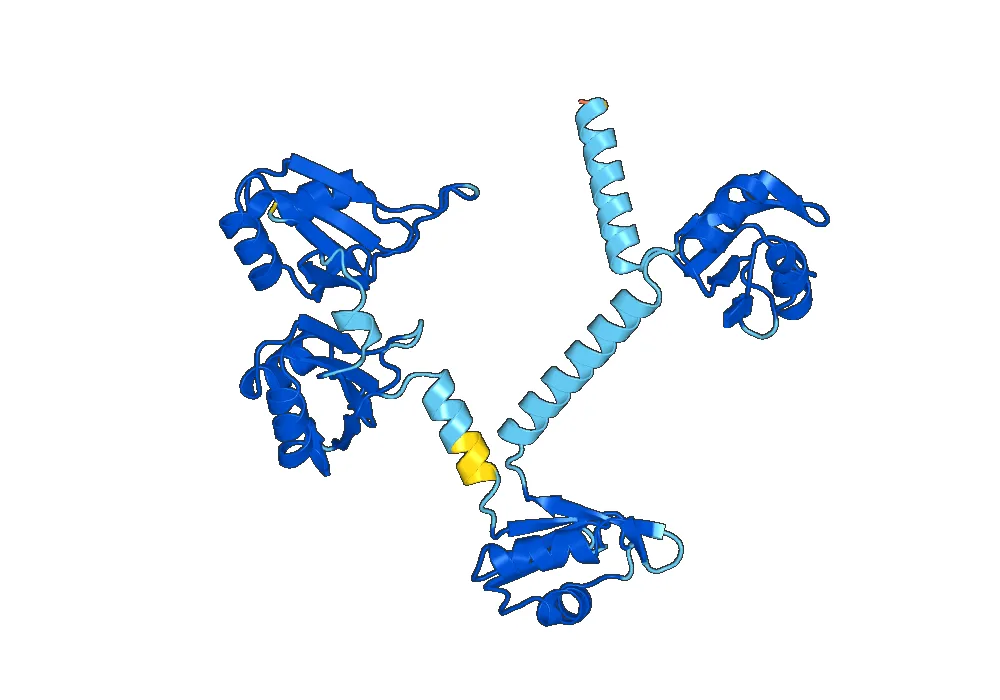
The recombinant form of BACH1 protein is a 736 amino acid long polypeptide with a molecular weight of approximately 87 kDa. It contains a conserved BTB/POZ (broad complex, tramtrack, and bric-a-brac/poxvirus and zinc finger) domain at the N-terminus, which is responsible for protein-protein interactions and dimerization. The C-terminal region of BACH1 contains a bZIP domain, which is essential for DNA binding and transcriptional activity. The protein also has a heme-binding motif, which is critical for its function as a sensor of oxidative stress.
Activity of Recombinant Human BACH1 Protein
Recombinant Human BACH1 Protein is a potent transcription factor that regulates the expression of various genes involved in cellular processes such as cell growth, differentiation, and response to stress. It functions by binding to specific DNA sequences called Maf recognition elements (MAREs) and activating or repressing the transcription of target genes. BACH1 is primarily known for its role in regulating the expression of heme oxygenase-1 (HO-1), a key enzyme in the cellular defense against oxidative stress. It accomplishes this by competing with other transcription factors for binding to the HO-1 gene promoter, thereby controlling its expression.
In addition to its role in oxidative stress response, BACH1 also plays a critical role in cell cycle regulation and differentiation. It has been shown to regulate the expression of genes involved in cell cycle progression, such as cyclin D1 and p21, and is essential for proper differentiation of various cell types, including erythrocytes and osteoclasts. BACH1 also plays a role in immune response by regulating the expression of cytokines and chemokines in immune cells.
Application of Recombinant Human BACH1 Protein
The recombinant form of BACH1 protein has a wide range of applications in both research and therapeutic settings. It is commonly used as a research tool to study the role of BACH1 in various cellular processes. Recombinant BACH1 protein can be used to investigate its interaction with other proteins, its binding to DNA sequences, and its effect on gene expression. It can also be used to generate BACH1 knockout cells or overexpress BACH1 in cells to study its function in different cellular contexts.
In therapeutic applications, recombinant BACH1 protein has shown potential in the treatment of various diseases. As BACH1 plays a crucial role in oxidative stress response, it has been studied as a potential therapeutic target for conditions associated with oxidative stress, such as neurodegenerative diseases and cancer. In addition, BACH1 has been shown to regulate the expression of genes involved in bone metabolism, making it a potential target for treating bone-related disorders such as osteoporosis and osteoarthritis.
Conclusion
Recombinant Human BACH1 Protein is a versatile tool in the field of molecular biology, with its crucial role in regulating gene expression and cellular processes. Its structure, activity, and various applications make it a valuable protein for both research and therapeutic purposes. Further studies on BACH1 and its interactions with other proteins and DNA sequences will provide a better understanding of its role in different cellular processes, leading to the development of novel



There are no reviews yet.