Introduction to Recombinant Human RARG Protein
Recombinant Human RARG Protein is a type of protein that is produced through genetic engineering techniques. It is a member of the retinoic acid receptor (RAR) family and is involved in various cellular processes such as cell growth, differentiation, and development. This protein is highly expressed in tissues such as the liver, kidney, and adipose tissue, and has been found to have important roles in regulating gene expression and signaling pathways.
Structure of Recombinant Human RARG Protein
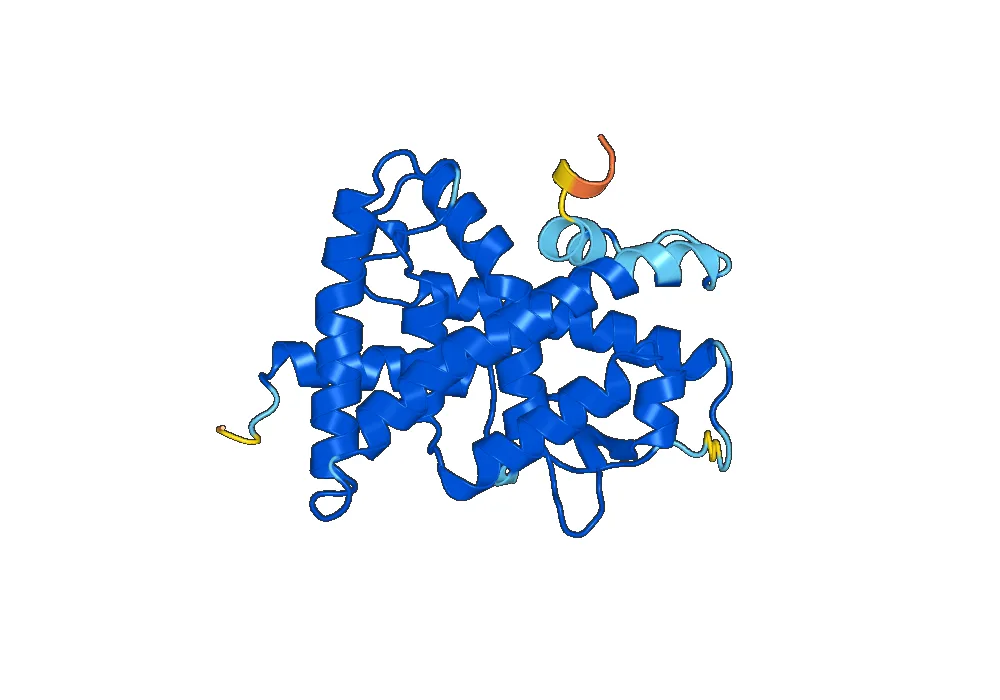
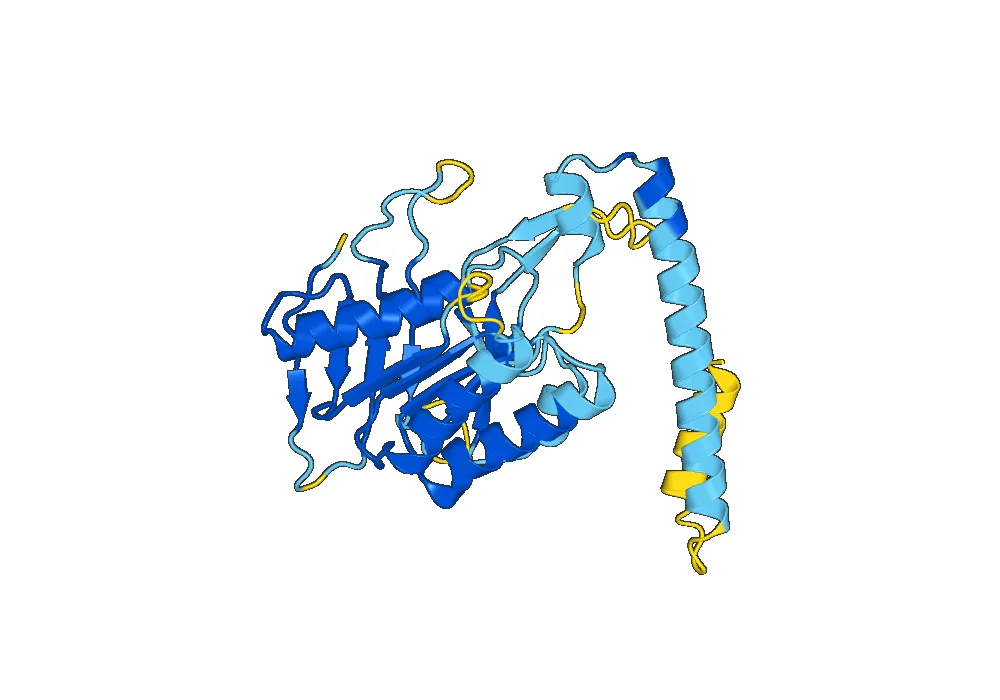
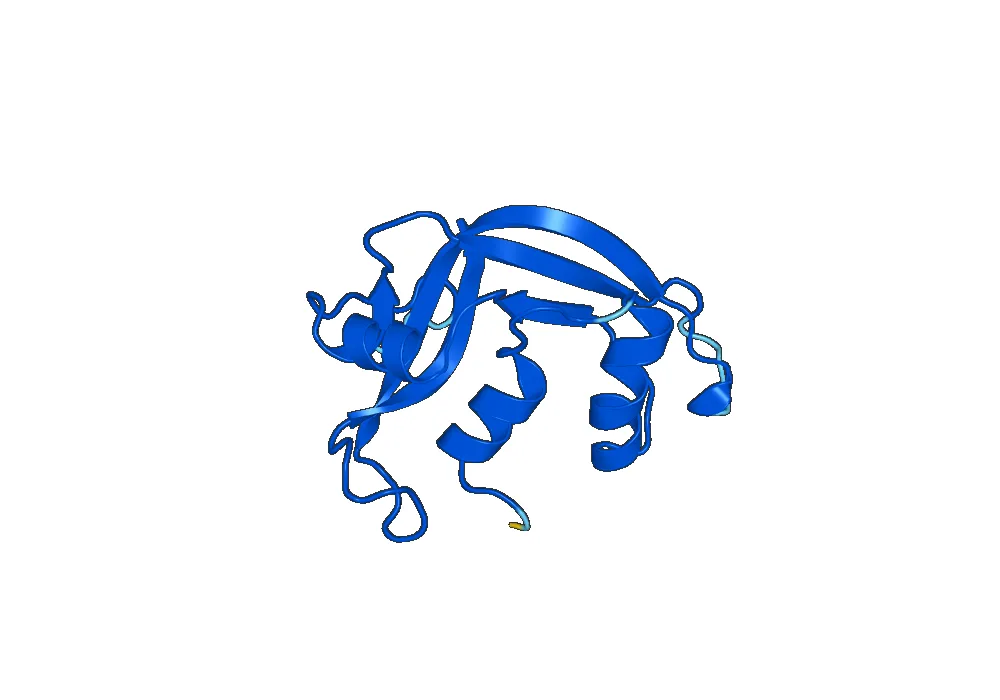
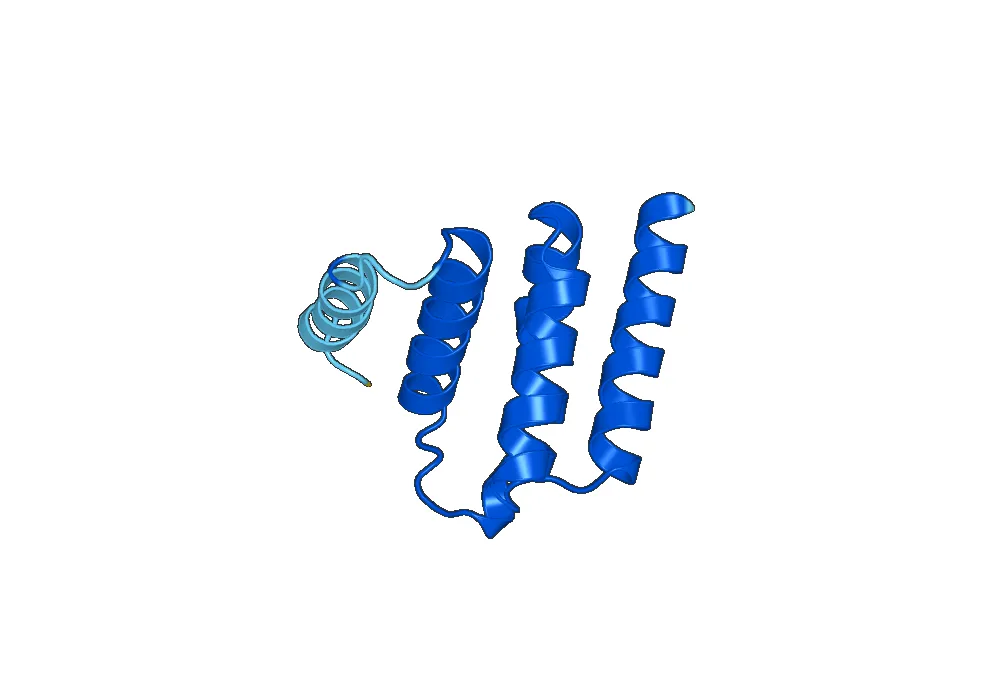
The structure of Recombinant Human RARG Protein is composed of 462 amino acids and has a molecular weight of approximately 52 kDa. It belongs to the nuclear receptor superfamily and has a characteristic structure consisting of three domains: the N-terminal domain (A/B), the DNA-binding domain (C), and the ligand-binding domain (D/E). The N-terminal domain is responsible for transcriptional activation, while the DNA-binding domain allows the protein to bind to specific DNA sequences. The ligand-binding domain is responsible for binding to retinoic acid, which is the natural ligand for RARG.
Activity of Recombinant Human RARG Protein
Recombinant Human RARG Protein is a transcription factor that regulates gene expression by binding to specific DNA sequences called retinoic acid response elements (RAREs). Upon binding to retinoic acid, RARG undergoes a conformational change, allowing it to recruit co-activators or co-repressors, which then modulate the expression of target genes. This protein has been found to be involved in various cellular processes, including cell differentiation, proliferation, and apoptosis. Additionally, RARG has also been shown to play a role in metabolism and energy homeostasis, making it a potential target for therapeutic interventions.
Application of Recombinant Human RARG Protein
The application of Recombinant Human RARG Protein in research and medicine has been extensive. One of the main uses of this protein is in studying the mechanisms of gene regulation and transcriptional control. By using recombinant RARG, researchers can manipulate its expression and activity to understand its role in various cellular processes. This has led to a better understanding of diseases such as cancer, where dysregulation of RARG has been implicated in tumor growth and progression.
Moreover, Recombinant Human RARG Protein has also been used in drug discovery and development. As RARG is involved in various cellular processes, it has been identified as a potential therapeutic target for diseases such as obesity, diabetes, and neurodegenerative disorders. By studying the structure and activity of recombinant RARG, researchers can design and develop drugs that specifically target this protein, leading to more effective and targeted treatments.
Antigenic Properties of Recombinant Human RARG Protein
As a recombinant protein, Recombinant Human RARG Protein has been found to be highly antigenic. This means that it can stimulate the production of antibodies in the body, making it a useful tool in immunological studies. For example, recombinant RARG can be used as an antigen in the production of monoclonal antibodies, which can then be used for various applications such as immunohistochemistry, Western blotting, and enzyme-linked immunosorbent assays (ELISA).
In summary, Recombinant Human RARG Protein is a crucial protein in regulating gene expression and cellular processes. Its structure, activity, and antigenic properties make it a valuable tool in research and medicine, with potential applications in drug discovery and development. As our understanding of this protein continues to grow, so does its potential for future therapeutic interventions.

There are no reviews yet.