Introduction
Recombinant Human BCAS2 Protein is a type of protein that is produced through the use of recombinant DNA technology. This protein plays an important role in various biological processes and has potential applications in various fields such as medicine and biotechnology.
Structure of Recombinant Human BCAS2 Protein
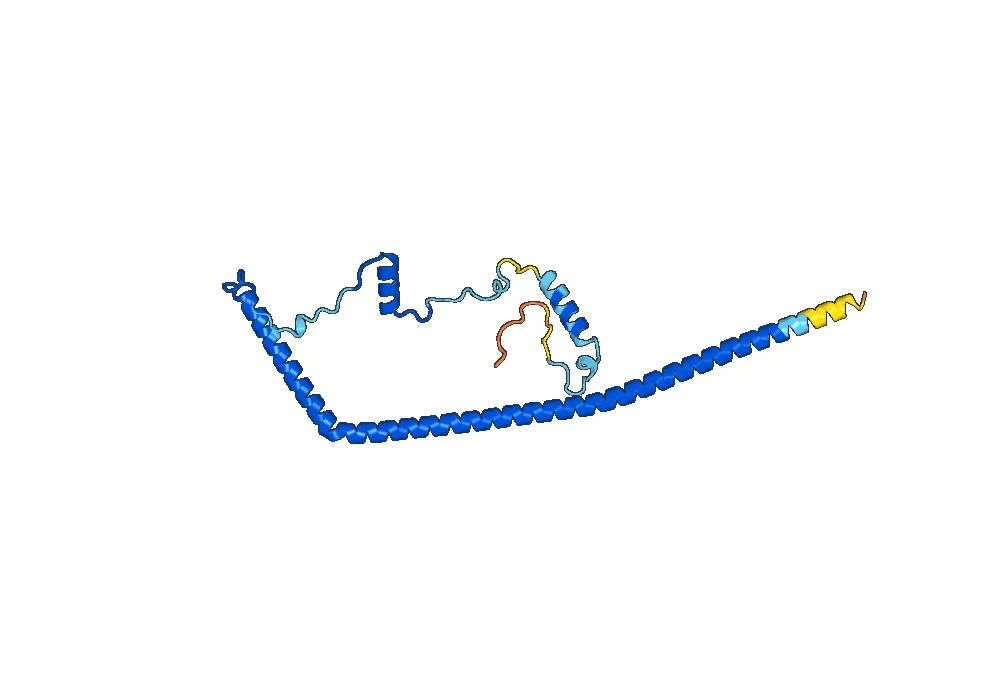
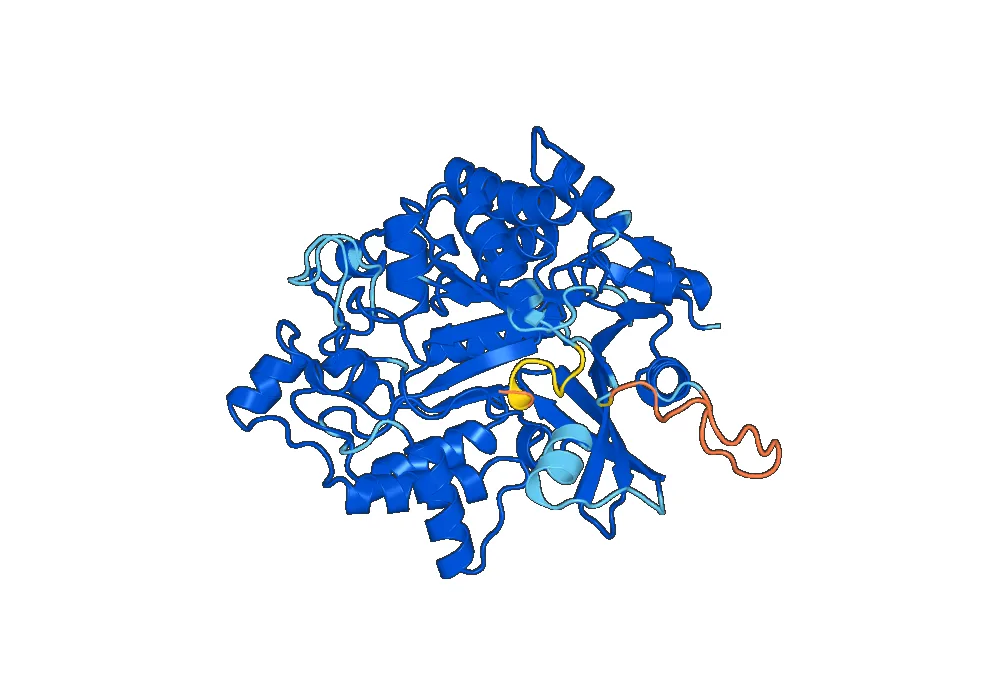
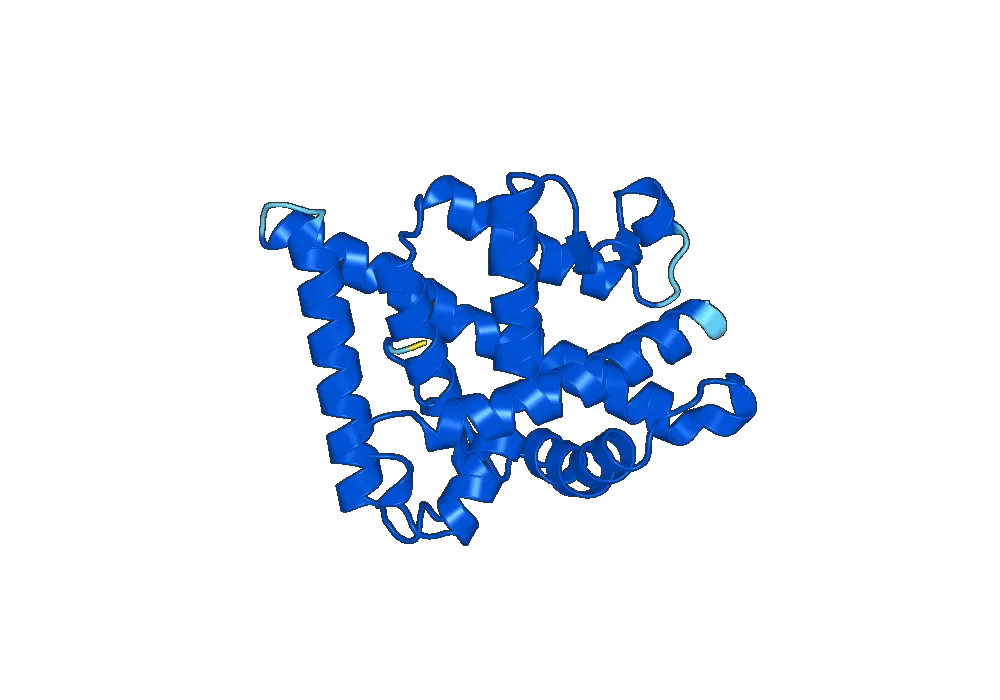
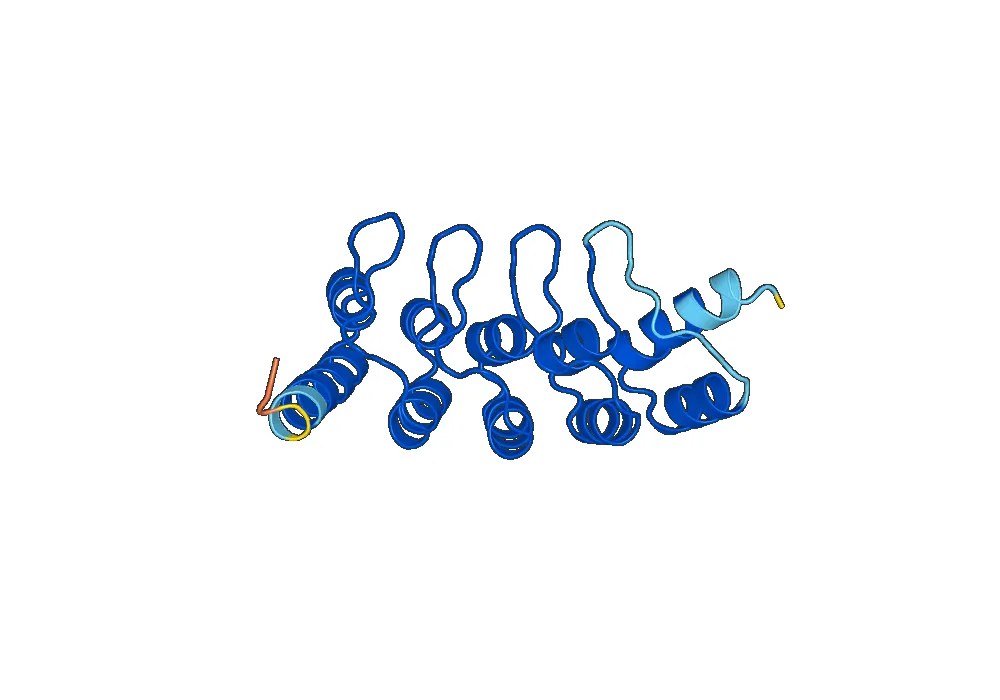
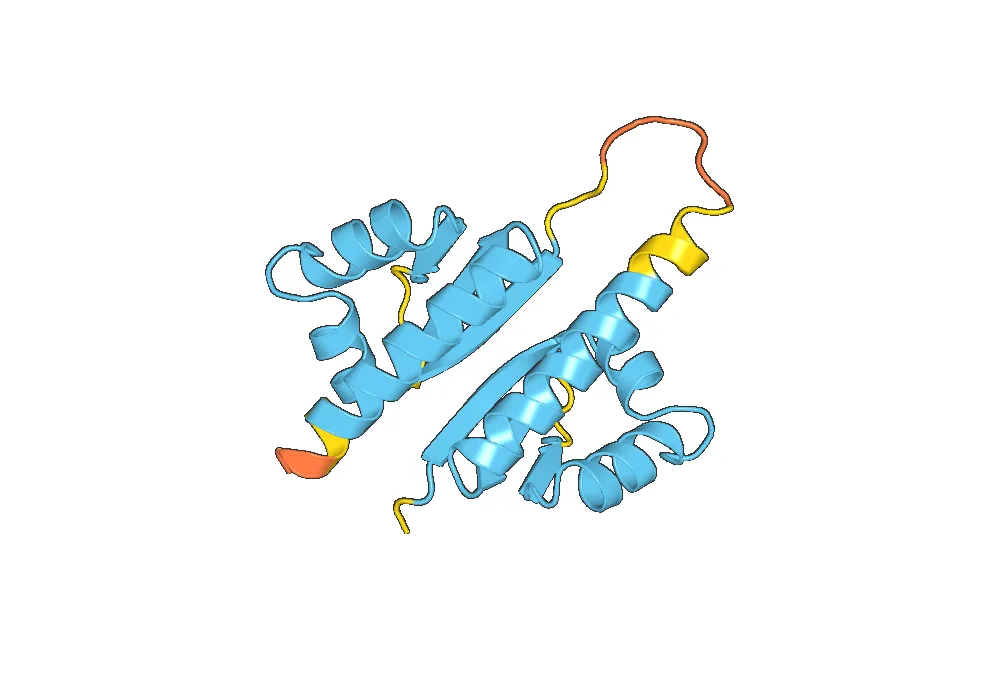
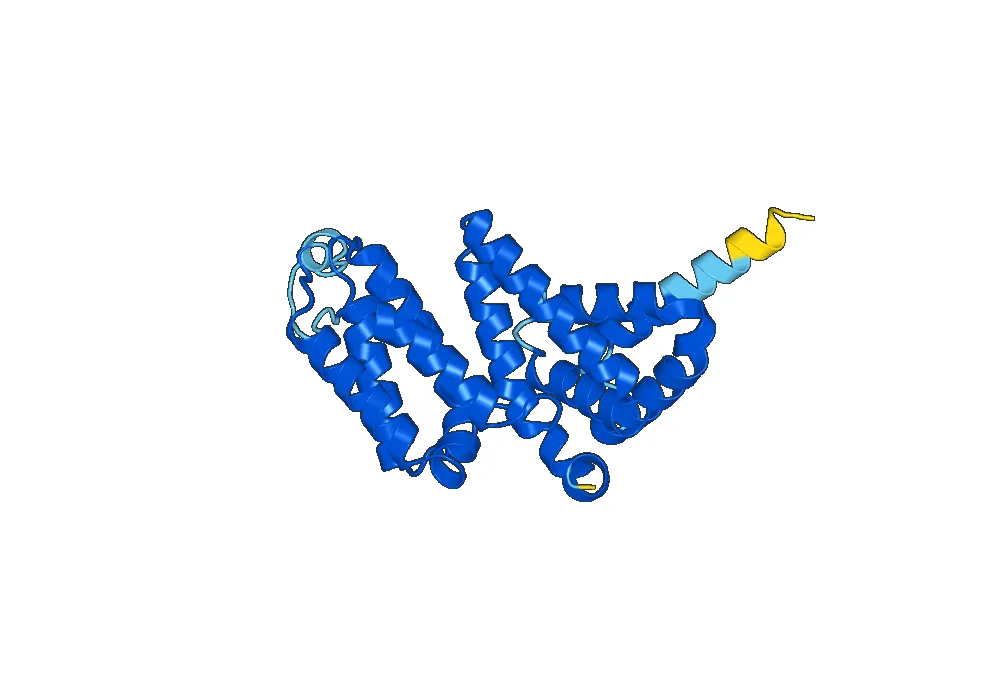
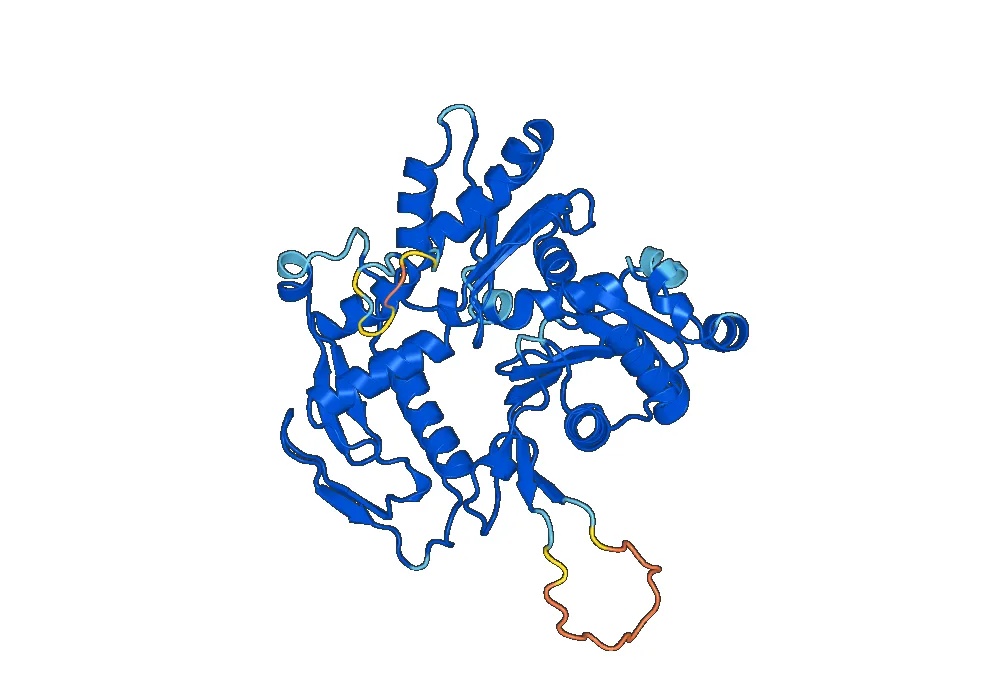
The recombinant Human BCAS2 Protein is a 63-kDa protein that is composed of 561 amino acids. It is a member of the breast carcinoma amplified sequence (BCAS) family of proteins and is highly conserved across different species. The protein has a unique structure that consists of an N-terminal region, a central coiled-coil domain, and a C-terminal region. The central coiled-coil domain is essential for the protein’s function and is responsible for its dimerization.
Activity of Recombinant Human BCAS2 Protein
Recombinant Human BCAS2 Protein plays a crucial role in various biological processes such as cell proliferation, differentiation, and migration. It is also involved in the regulation of gene expression and is known to interact with several transcription factors. The protein has been shown to have a role in the development of various types of cancer, including breast, lung, and prostate cancer. It has also been linked to the progression and metastasis of these cancers.
One of the key functions of Recombinant Human BCAS2 Protein is its involvement in the regulation of the estrogen receptor (ER) signaling pathway. The protein interacts with the ER and modulates its activity, thereby affecting the expression of estrogen-responsive genes. This makes it a potential target for the treatment of ER-positive breast cancer.
Application of Recombinant Human BCAS2 Protein
Recombinant Human BCAS2 Protein has potential applications in various fields, including medicine and biotechnology. Some of the key applications of this protein are discussed below.
1. Cancer Research: As mentioned earlier, Recombinant Human BCAS2 Protein has been linked to the development and progression of various types of cancer. Therefore, it can be used as a biomarker for the early detection and diagnosis of cancer. It can also serve as a potential therapeutic target for the treatment of cancer.
2. Drug Development: The involvement of Recombinant Human BCAS2 Protein in the regulation of the ER signaling pathway makes it a potential target for developing novel drugs for the treatment of ER-positive breast cancer. In addition, the protein’s role in other biological processes makes it a potential target for drug development in other diseases.
3. Biotechnology: Recombinant Human BCAS2 Protein can be produced in large quantities using recombinant DNA technology, making it a valuable tool in biotechnology. It can be used for various applications, such as protein-protein interaction studies, protein purification, and protein engineering.
4. Diagnostic Tool: The protein’s involvement in the regulation of gene expression and its association with various types of cancer make it a potential diagnostic tool. It can be used to detect the presence of cancer and monitor the progression of the disease.
Conclusion
In conclusion, Recombinant Human BCAS2 Protein is a 63-kDa protein that plays a crucial role in various biological processes, including cell proliferation, differentiation, and migration. It is also involved in the regulation of gene expression and has been linked to the development and progression of various types of cancer. This protein has potential applications in cancer research, drug development, biotechnology, and as a diagnostic tool. Further research on this protein can provide valuable insights into its structure and function, leading to the development of new treatments for various diseases.


There are no reviews yet.