Introduction to Recombinant Human CCPG1 Protein
Recombinant Human CCPG1 Protein, also known as Cell Cycle Progression Gene 1 Protein, is a human protein that plays a crucial role in cell cycle regulation and progression. This protein is encoded by the CCPG1 gene and is involved in the G1/S phase transition of the cell cycle. Recombinant Human CCPG1 Protein is produced through genetic engineering techniques, making it a valuable tool for research and biotechnological applications.
Structure of Recombinant Human CCPG1 Protein
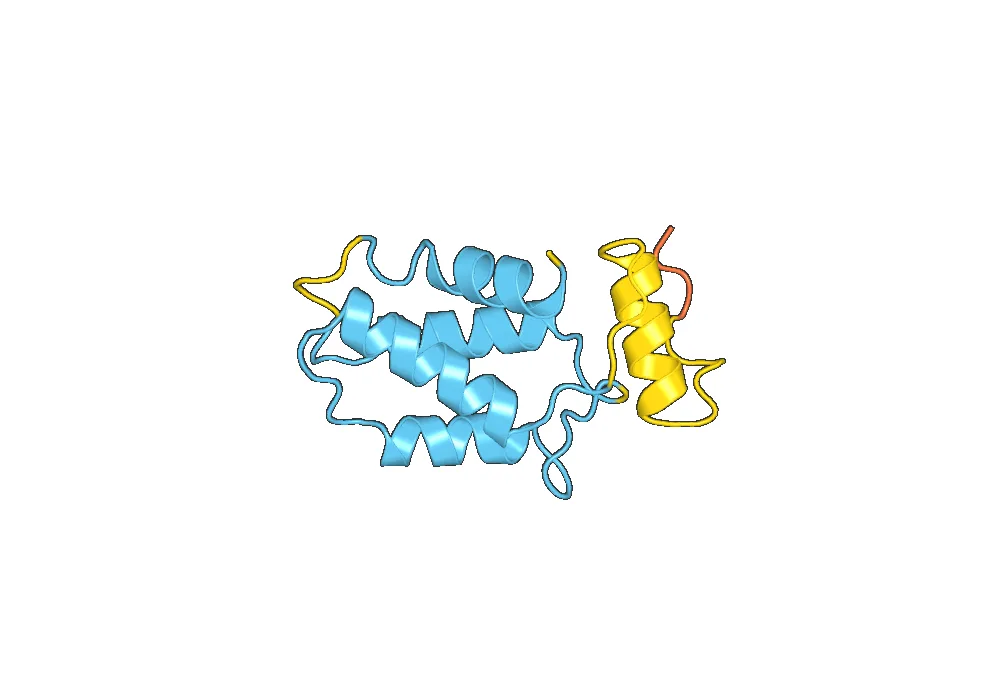
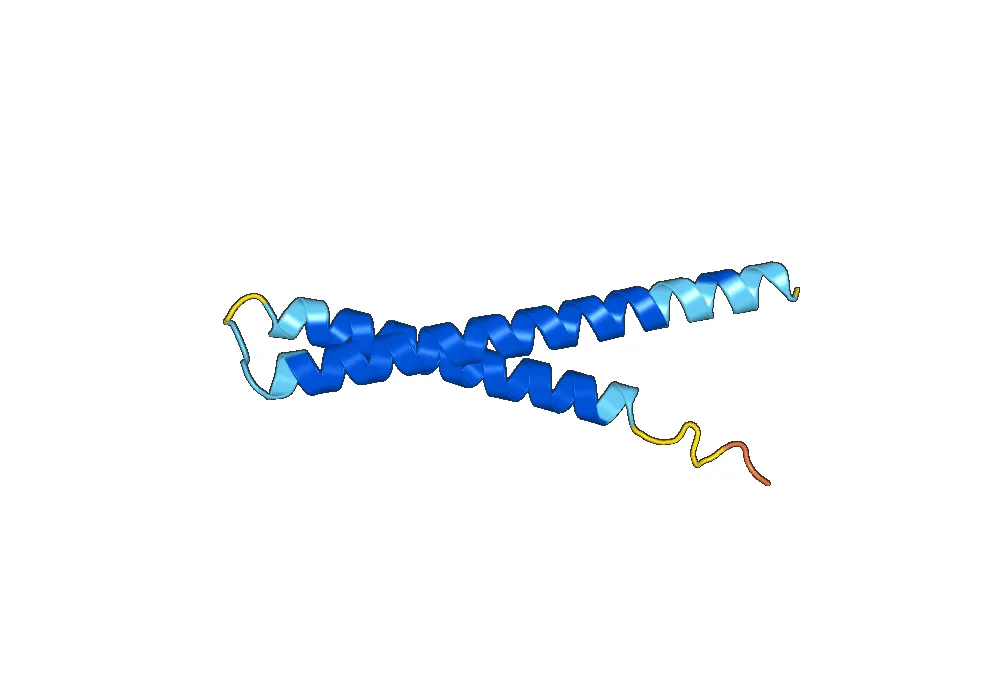
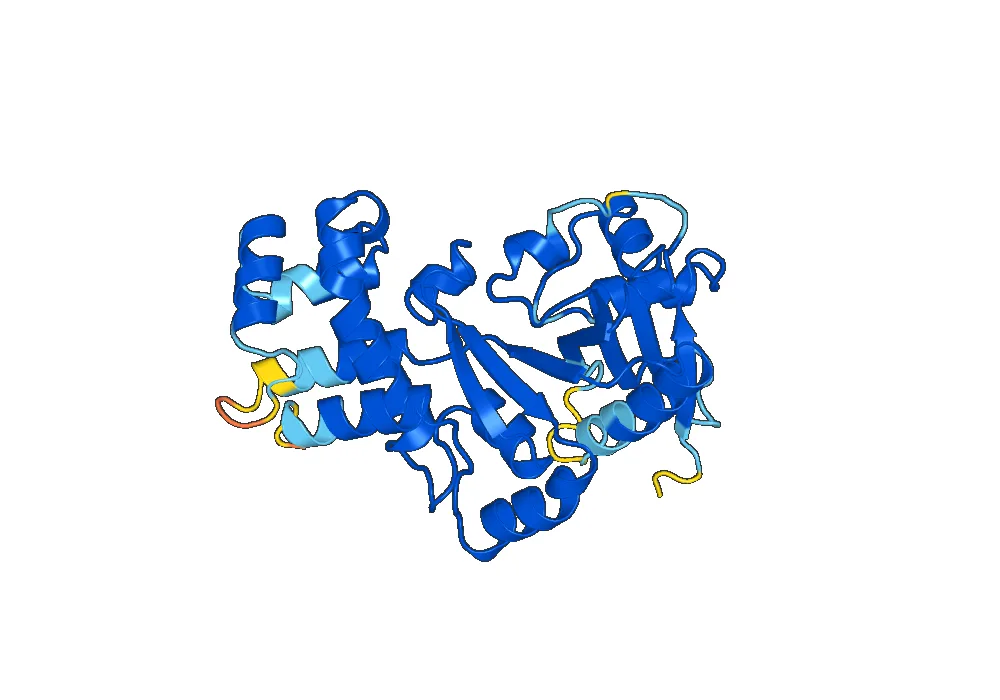
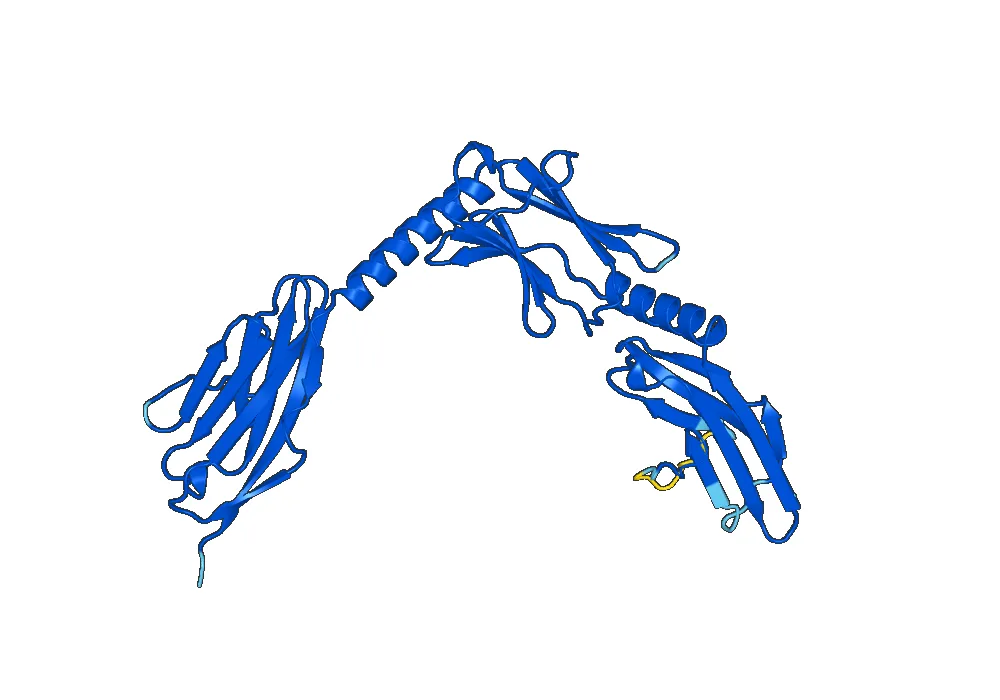
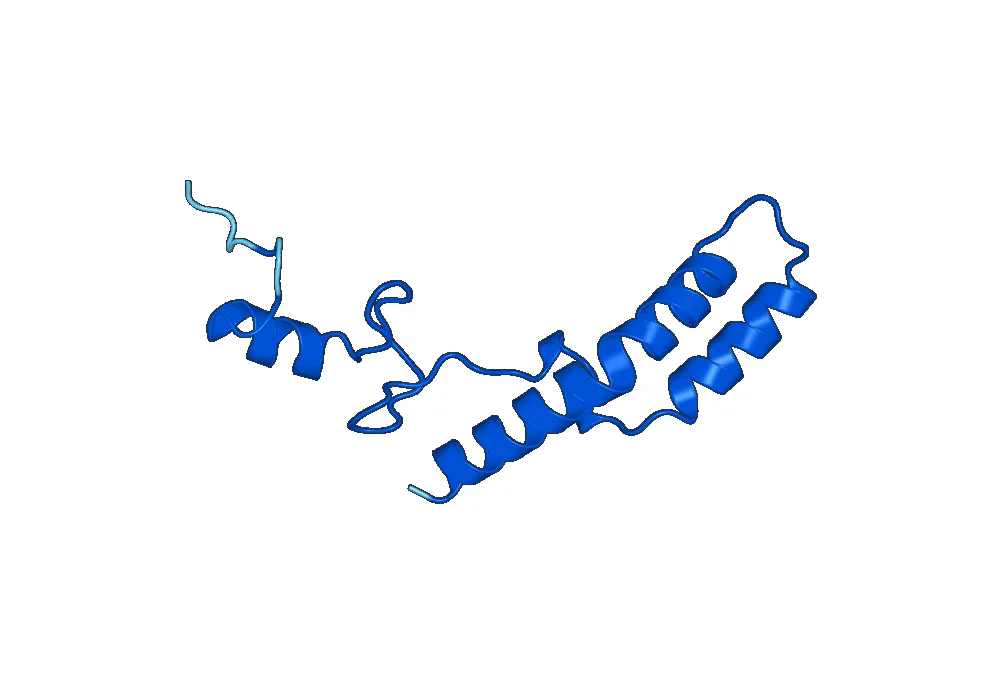
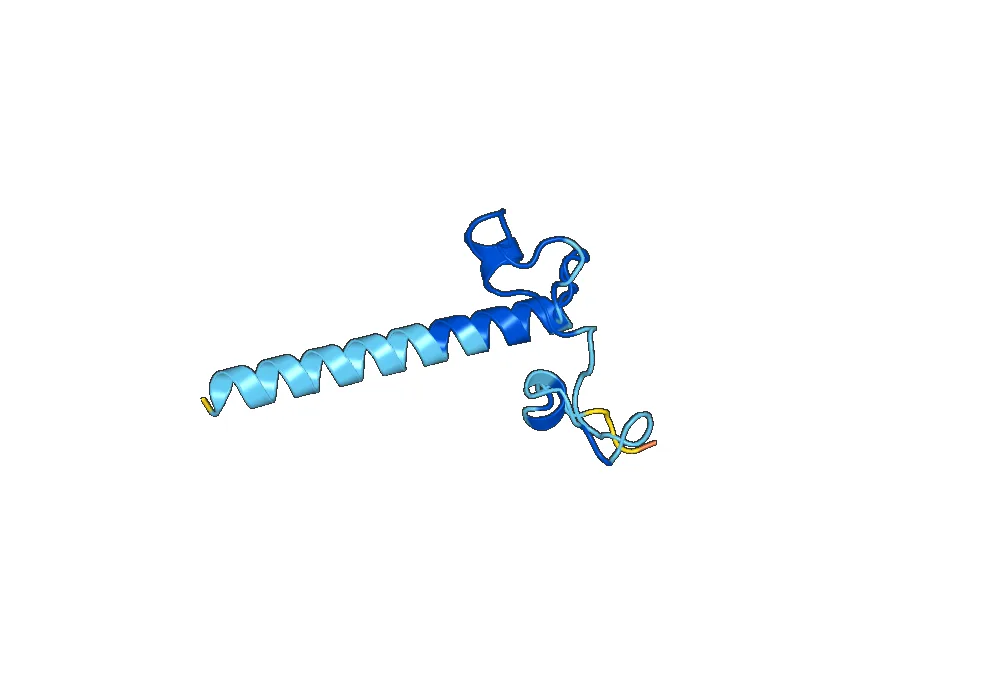
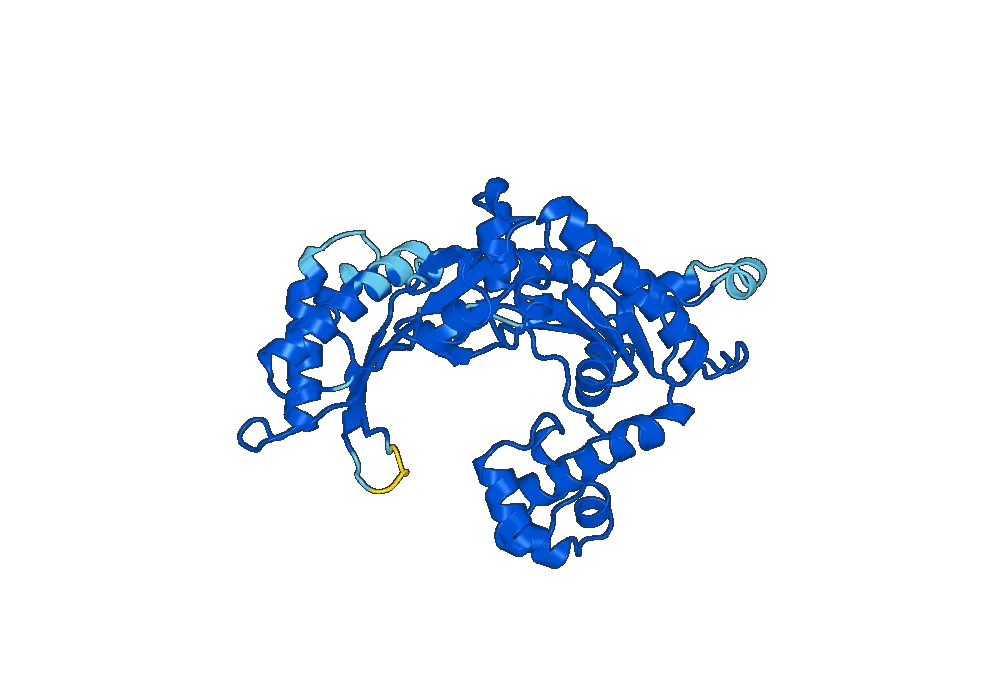
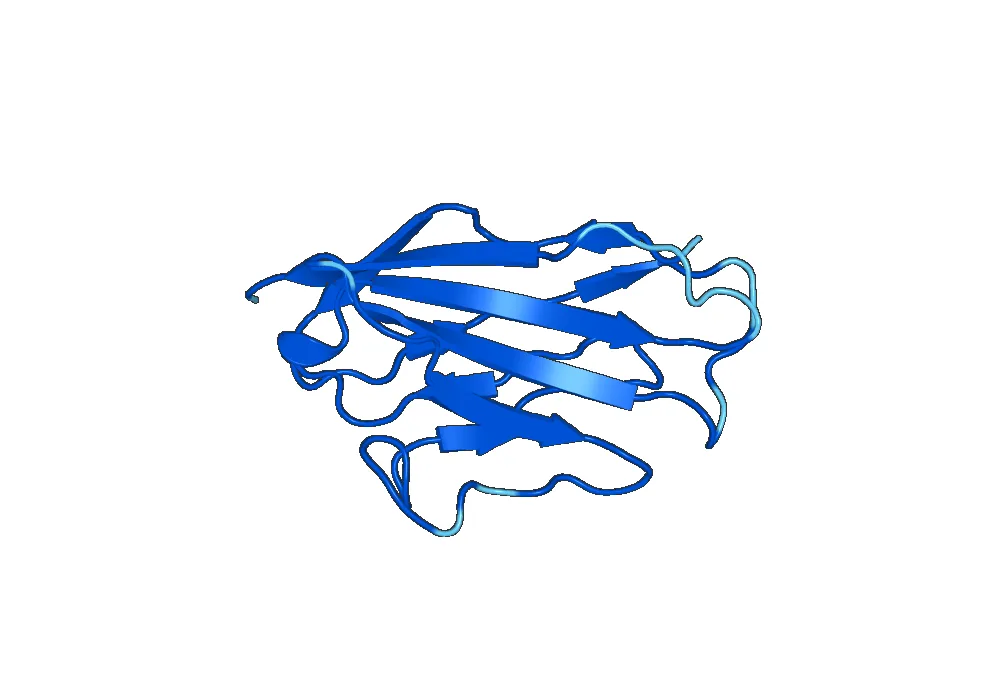
Recombinant Human CCPG1 Protein is a 78 kDa protein composed of 703 amino acids. It contains a conserved N-terminal domain, a central coiled-coil domain, and a C-terminal domain. The N-terminal domain is responsible for protein-protein interactions, while the coiled-coil domain is involved in dimerization and oligomerization. The C-terminal domain contains a cyclin-binding motif, which is essential for the protein’s role in cell cycle regulation.
Activity of Recombinant Human CCPG1 Protein
Recombinant Human CCPG1 Protein is a key regulator of the G1/S phase transition in the cell cycle. It interacts with cyclin D1 and CDK4, promoting their binding and activation. This, in turn, leads to the phosphorylation of retinoblastoma protein (RB), releasing it from its inhibitory state and allowing the cell to progress from the G1 phase to the S phase. Recombinant Human CCPG1 Protein also plays a role in DNA damage response, promoting cell survival and repair mechanisms.
Application of Recombinant Human CCPG1 Protein
1. Cell Cycle Research: Recombinant Human CCPG1 Protein is widely used in cell cycle research to study its role in G1/S phase transition and its interactions with other cell cycle regulators. It is also used to investigate the effects of CCPG1 mutations on cell cycle regulation and progression.
2. Cancer Research: Aberrant cell cycle regulation is a hallmark of cancer, and Recombinant Human CCPG1 Protein has been shown to be dysregulated in various types of cancer. Its role in promoting cell survival and DNA damage response makes it a potential target for cancer therapy.
3. Drug Development: The dysregulation of the cell cycle is a common feature of many diseases, making Recombinant Human CCPG1 Protein a potential target for drug development. Researchers can use this protein to screen for compounds that can modulate its activity and potentially treat diseases associated with cell cycle dysfunction.
4. Diagnostic Tool: Recombinant Human CCPG1 Protein can also be used as a diagnostic tool for certain types of cancer. Its dysregulation has been observed in various cancer types, and its levels can be measured in patient samples to aid in diagnosis and prognosis.
5. Vaccine Development: Recombinant Human CCPG1 Protein has been identified as an antigen in several studies, making it a potential candidate for vaccine development. Its involvement in the cell cycle and DNA damage response suggests that it may play a role in immune response, making it a valuable target for vaccine development against diseases such as cancer.
Conclusion
Recombinant Human CCPG1 Protein is a crucial player in cell cycle regulation and progression. Its structure, activity, and potential applications make it a valuable tool for research and biotechnological purposes. Further studies on this protein may provide insights into its role in disease and open up new avenues for therapeutic interventions.

There are no reviews yet.