Introduction to Recombinant Human CCT7 Protein
Recombinant human CCT7 protein, also known as chaperonin-containing TCP-1 subunit 7, is a protein that plays a crucial role in the folding and assembly of other proteins in the cell. It is a member of the chaperonin family of proteins, which are responsible for assisting in the proper folding of newly synthesized or misfolded proteins. Recombinant human CCT7 protein is produced through genetic engineering techniques, making it a valuable tool in various research and biotechnological applications.
Structure of Recombinant Human CCT7 Protein
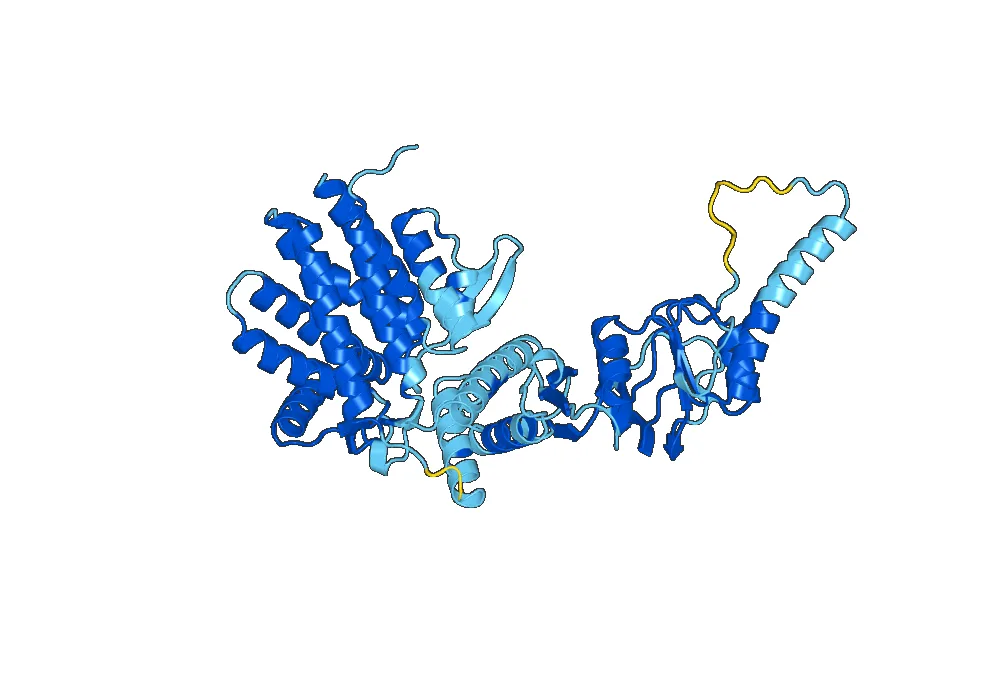
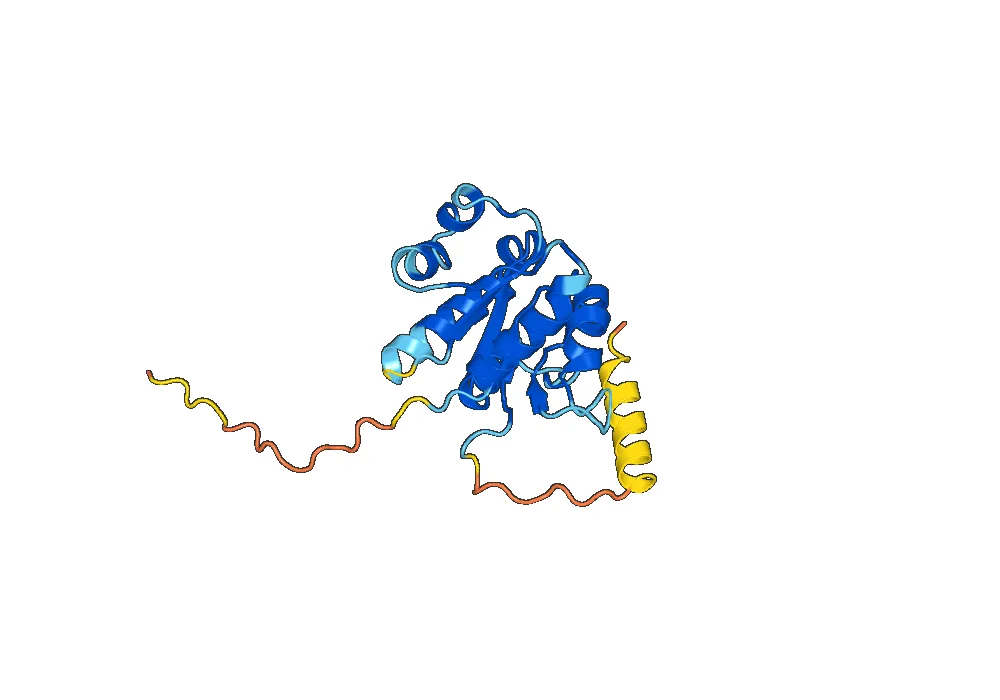
Recombinant human CCT7 protein is a 57 kDa protein composed of 523 amino acids. It belongs to the chaperonin family of proteins, which are characterized by their barrel-shaped structure. The protein is composed of eight subunits, each with a distinct function in the folding process. The CCT7 subunit is one of the eight essential subunits that make up the chaperonin complex. It is primarily responsible for binding to the target protein and facilitating its proper folding.
Activity of Recombinant Human CCT7 Protein
The primary function of recombinant human CCT7 protein is to act as a molecular chaperone, assisting in the proper folding and assembly of other proteins in the cell. It does this by forming a barrel-shaped structure that creates a protected environment for the target protein to fold correctly. The CCT7 subunit specifically binds to the target protein and uses ATP hydrolysis to facilitate the folding process. This process ensures that the target protein attains its functional three-dimensional structure, which is essential for its proper activity.
Moreover, recombinant human CCT7 protein has also been found to play a role in the regulation of cell cycle progression and cell proliferation. Studies have shown that CCT7 is involved in the assembly of the mitotic spindle, which is crucial for accurate cell division. It has also been linked to the regulation of the actin cytoskeleton, which is essential for cell movement and shape maintenance.
Applications of Recombinant Human CCT7 Protein
Recombinant human CCT7 protein has a wide range of applications in both research and biotechnology. Its role as a chaperone protein makes it a valuable tool in protein folding studies. It can be used to study the folding mechanisms of various target proteins and their interactions with other chaperones.
In biotechnology, recombinant human CCT7 protein is used in the production of recombinant proteins. Its ability to assist in proper protein folding makes it an essential component in the production of functional and correctly folded proteins. This is especially important in the production of therapeutic proteins, where proper folding is crucial for their efficacy.
Furthermore, recombinant human CCT7 protein has also been studied as a potential target for cancer therapy. As it plays a role in cell cycle progression and cell proliferation, targeting CCT7 could potentially inhibit cancer cell growth and proliferation. This makes it a promising target for the development of new cancer treatments.
Conclusion
In summary, recombinant human CCT7 protein is a crucial component in the proper folding and assembly of other proteins in the cell. Its role as a molecular chaperone makes it a valuable tool in various research and biotechnological applications. Its structure, activity, and potential applications make it an important protein to study and utilize in the advancement of scientific knowledge and biotechnological innovations.



There are no reviews yet.