Introduction
Recombinant Human CEP135 Protein is a vital component of the centrosome, a cellular organelle that plays a crucial role in cell division and organization of the cytoskeleton. This protein is encoded by the CEP135 gene and is conserved among various species, including humans. Recombinant Human CEP135 Protein is produced through recombinant DNA technology and has been extensively studied for its structure, activity, and potential applications.
Structure of Recombinant Human CEP135 Protein
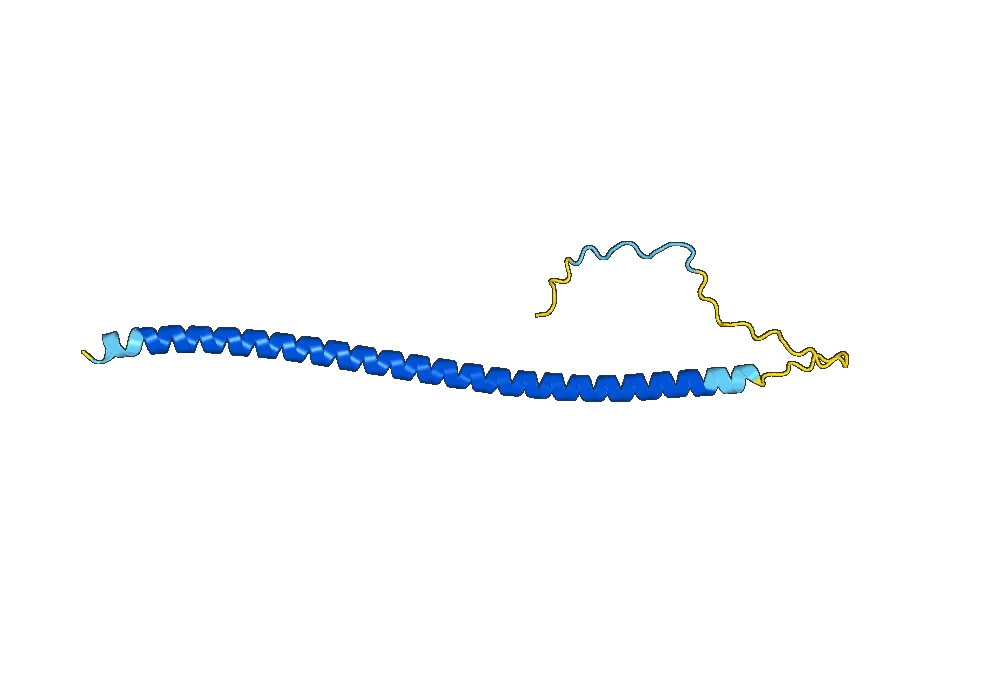
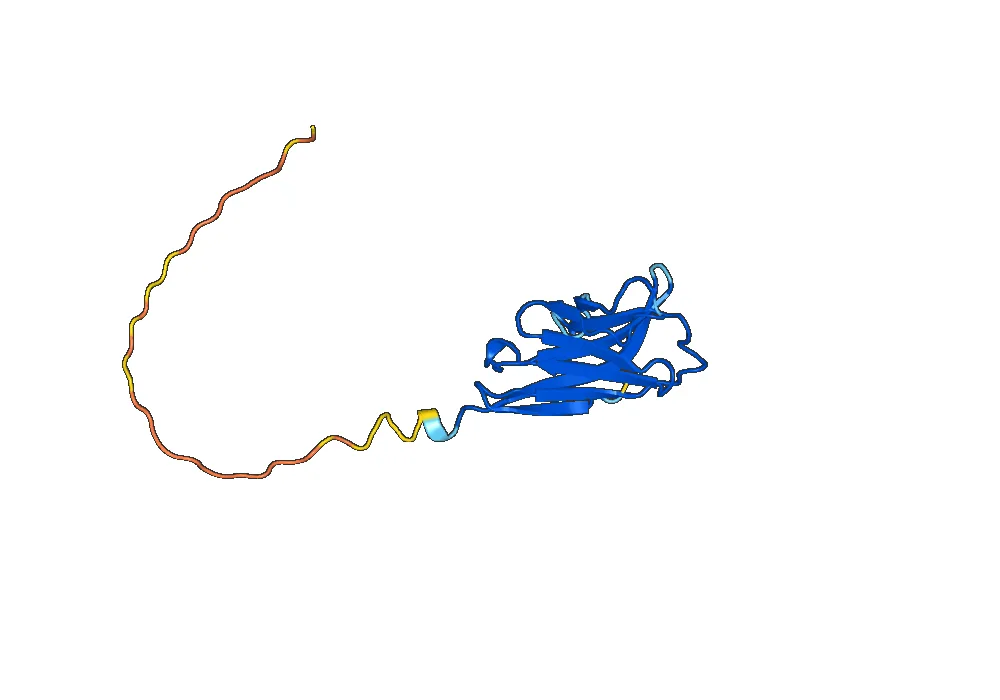
Recombinant Human CEP135 Protein is a large protein with a molecular weight of approximately 135 kDa. It is composed of 1,202 amino acids and has a unique domain structure consisting of an N-terminal coiled-coil domain, a central coiled-coil domain, and a C-terminal domain. The coiled-coil domains are responsible for the protein’s ability to form dimers and higher-order complexes, while the C-terminal domain contains multiple phosphorylation sites that regulate its activity.
Activity of Recombinant Human CEP135 Protein
Recombinant Human CEP135 Protein plays a critical role in the regulation of centrosome duplication and organization. It functions as a scaffolding protein, interacting with other centrosomal proteins to form a stable structure. Additionally, it is involved in the recruitment of other proteins to the centrosome, such as the γ-tubulin ring complex, which is essential for microtubule nucleation and organization. Recombinant Human CEP135 Protein is also involved in the regulation of cell cycle progression, as it is required for the proper assembly of the mitotic spindle and accurate chromosome segregation.
Applications of Recombinant Human CEP135 Protein
Recombinant Human CEP135 Protein has a wide range of potential applications in both basic research and clinical settings. Its role in centrosome organization and cell cycle regulation makes it a crucial protein to study in the context of cell division and proliferation. It has been implicated in various human diseases, including cancer, making it a potential therapeutic target.
One potential application of Recombinant Human CEP135 Protein is in the development of diagnostic tools for cancer. Aberrant expression or mutations in the CEP135 gene have been observed in certain types of cancer, making it a potential biomarker for early detection and diagnosis. Furthermore, understanding the role of this protein in cancer development could lead to the development of targeted therapies for these diseases.
In addition, Recombinant Human CEP135 Protein has been studied for its potential in tissue engineering and regenerative medicine. As a key component of the centrosome, it is essential for proper cell division and organization. Therefore, it could be used to improve the efficiency and success of cell-based therapies by ensuring proper cell division and function.
Conclusion
In summary, Recombinant Human CEP135 Protein is a critical component of the centrosome with a unique domain structure and multiple functions. Its role in centrosome organization and cell cycle regulation makes it a crucial protein to study in various research fields, including cancer biology and regenerative medicine. With further research, this protein has the potential to be a valuable tool for both diagnosis and treatment of various diseases.


There are no reviews yet.