Introduction to Recombinant Human CGGBP1 Protein
Recombinant Human CGGBP1 Protein, also known as CGG triplet repeat-binding protein 1, is a highly conserved protein that plays a crucial role in gene regulation and DNA repair processes. It is a 120 kDa protein that is encoded by the CGGBP1 gene located on chromosome Xq28. This protein has been extensively studied and is known to have various functions in different cellular processes.
Structure of Recombinant Human CGGBP1 Protein
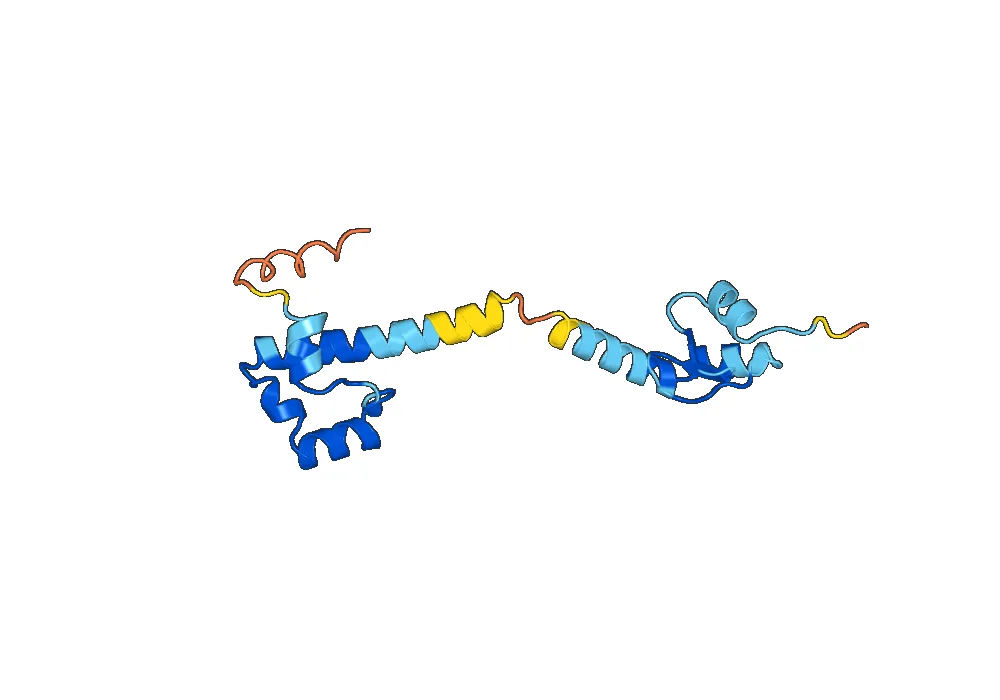
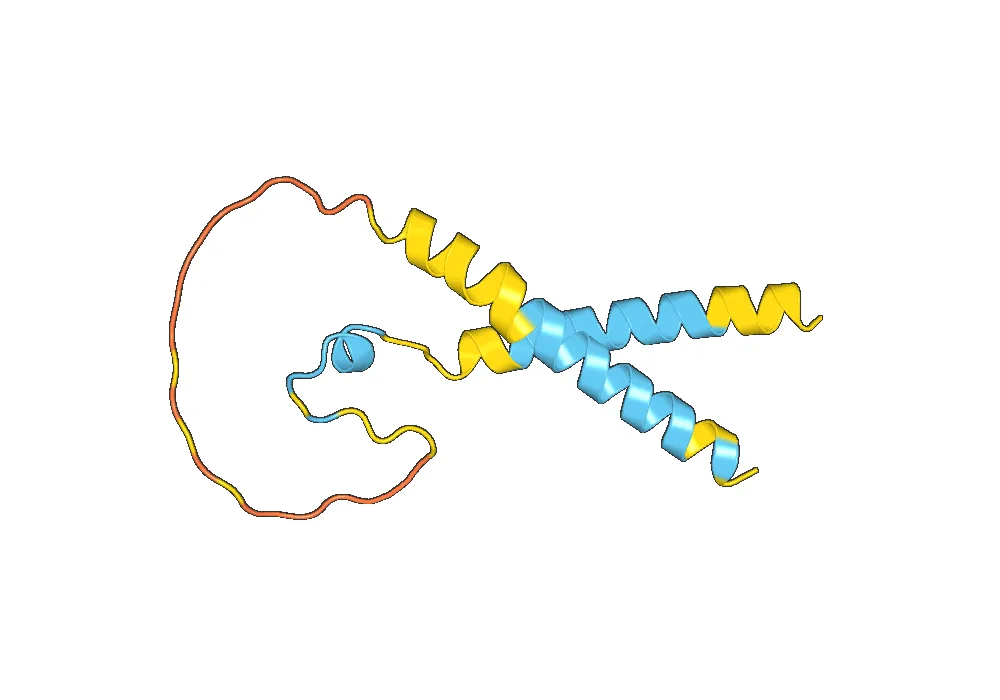
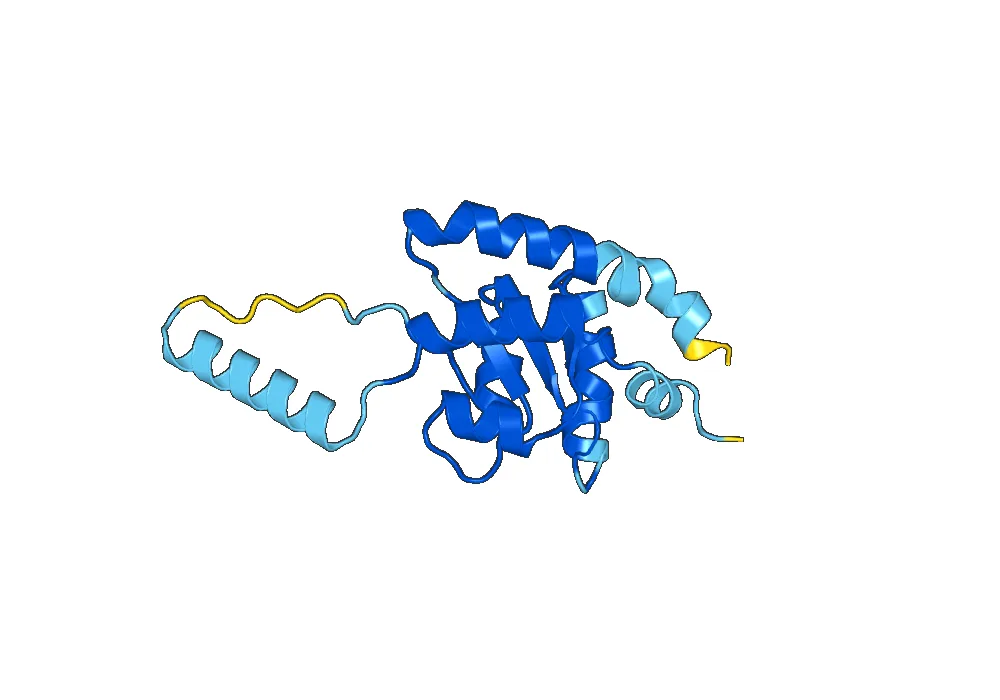
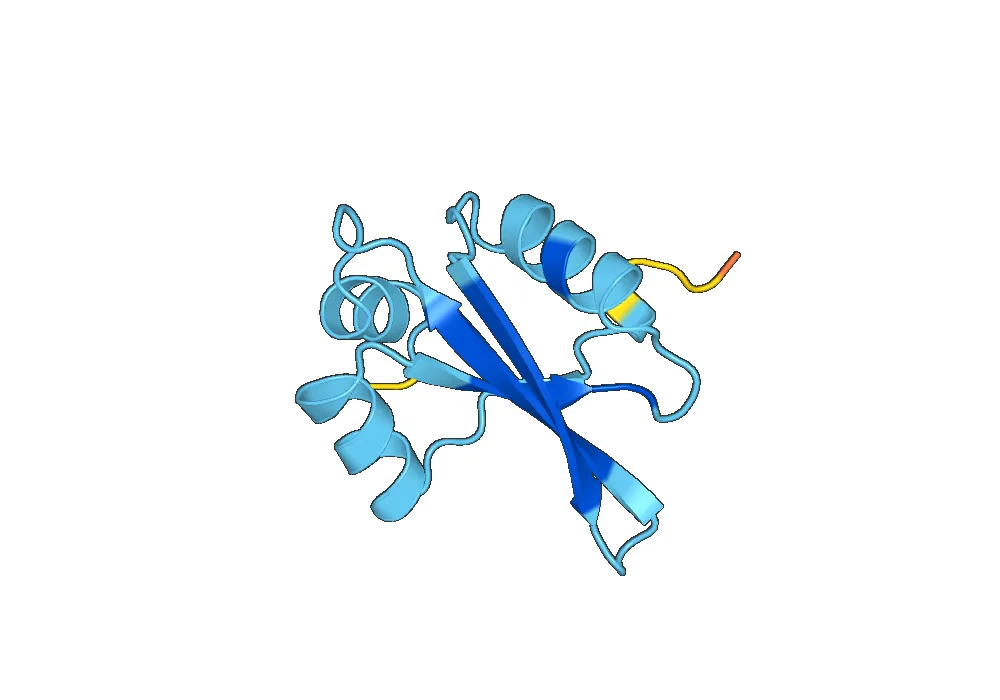
The Recombinant Human CGGBP1 Protein is composed of 1062 amino acids and contains several functional domains. It has a nuclear localization signal (NLS) and a DNA-binding domain that enables it to bind to specific DNA sequences. The protein also has a C-terminal domain that is responsible for its dimerization and interaction with other proteins.
Studies have shown that the Recombinant Human CGGBP1 Protein forms a homodimer in solution, and this dimerization is essential for its function. The dimerization of this protein is mediated by its C-terminal domain, which contains a coiled-coil region. This region is responsible for the formation of a stable dimeric structure, which is crucial for the protein’s activity.
Activity of Recombinant Human CGGBP1 Protein
The Recombinant Human CGGBP1 Protein has been shown to have multiple activities in different cellular processes. One of its primary functions is its role in the regulation of gene expression. It binds to specific DNA sequences and regulates the transcription of genes by recruiting other proteins to the site. This protein has been shown to interact with various transcription factors and coactivators, thus playing a crucial role in gene regulation.
Moreover, the Recombinant Human CGGBP1 Protein has been found to be involved in DNA repair processes. It has been shown to interact with DNA repair proteins, such as PARP-1, and aid in the repair of DNA damage. This protein also plays a role in maintaining genomic stability by preventing the accumulation of DNA damage.
Another important activity of the Recombinant Human CGGBP1 Protein is its role in telomere maintenance. It has been shown to bind to telomeric DNA and regulate telomere length. This protein is essential for the proper functioning of telomeres, which are crucial for maintaining the stability of chromosomes.
Application of Recombinant Human CGGBP1 Protein
The Recombinant Human CGGBP1 Protein has various applications in the field of biomedicine. One of its primary applications is in cancer research. Studies have shown that this protein is overexpressed in various types of cancer, and its overexpression has been linked to tumor growth and progression. Targeting this protein could potentially lead to the development of new cancer therapies.
Moreover, the Recombinant Human CGGBP1 Protein has also been studied for its potential role in neurological disorders. It has been shown to interact with proteins involved in neurodegenerative diseases, such as Huntington’s disease and Alzheimer’s disease. Understanding the function of this protein in these disorders could lead to the development of new treatments.
Furthermore, the Recombinant Human CGGBP1 Protein has been investigated for its potential as a diagnostic and prognostic marker. Studies have shown that its expression levels can be used as a biomarker for various diseases, including cancer and neurodegenerative disorders. This protein could potentially be used in diagnostic tests to detect these diseases at an early stage and predict their progression.
Conclusion
In conclusion, the Recombinant Human CGGBP1 Protein is a multifunctional protein that plays a crucial role in gene regulation, DNA repair, and telomere maintenance. Its structure, activity, and various applications make it a highly studied protein in the field of biomedicine. Further research on this protein could potentially lead to the development of new treatments for cancer and neurological disorders, as


There are no reviews yet.