Recombinant Human CLDN18/Claudin-18 Protein: Structure, Activity and Application
Introduction
Recombinant proteins are proteins that are produced through genetic engineering techniques, where the gene encoding the protein is inserted into a host organism, such as bacteria or yeast, to produce large quantities of the desired protein. One such recombinant protein is Recombinant Human CLDN18/Claudin-18 protein, which plays an important role in cell adhesion and barrier formation in various tissues. In this article, we will explore the structure, activity and applications of this protein.
Structure of Recombinant Human CLDN18/Claudin-18 Protein
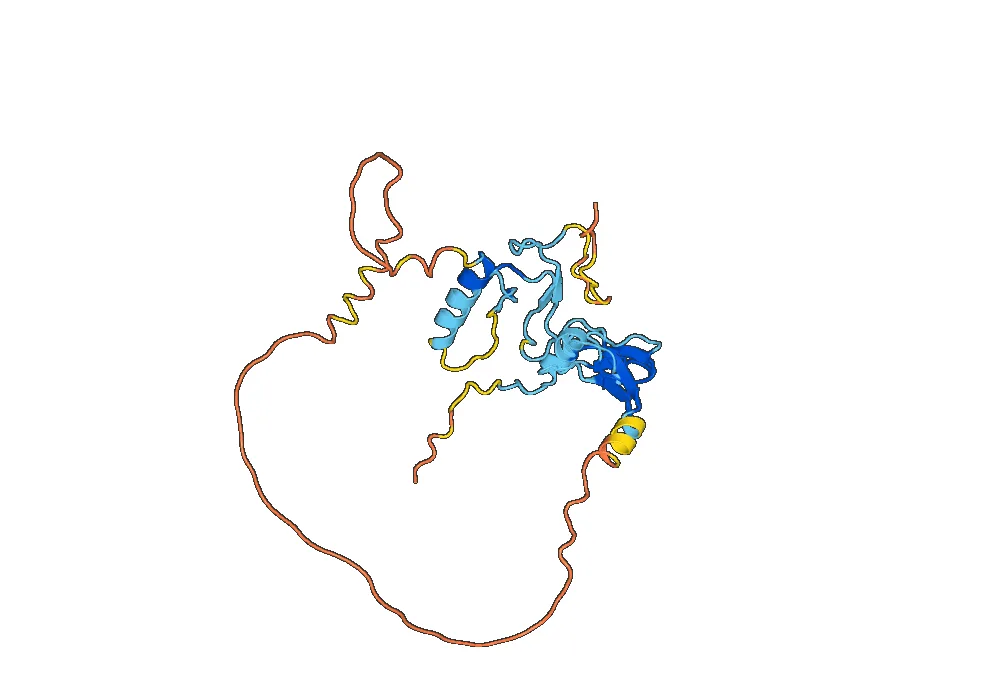
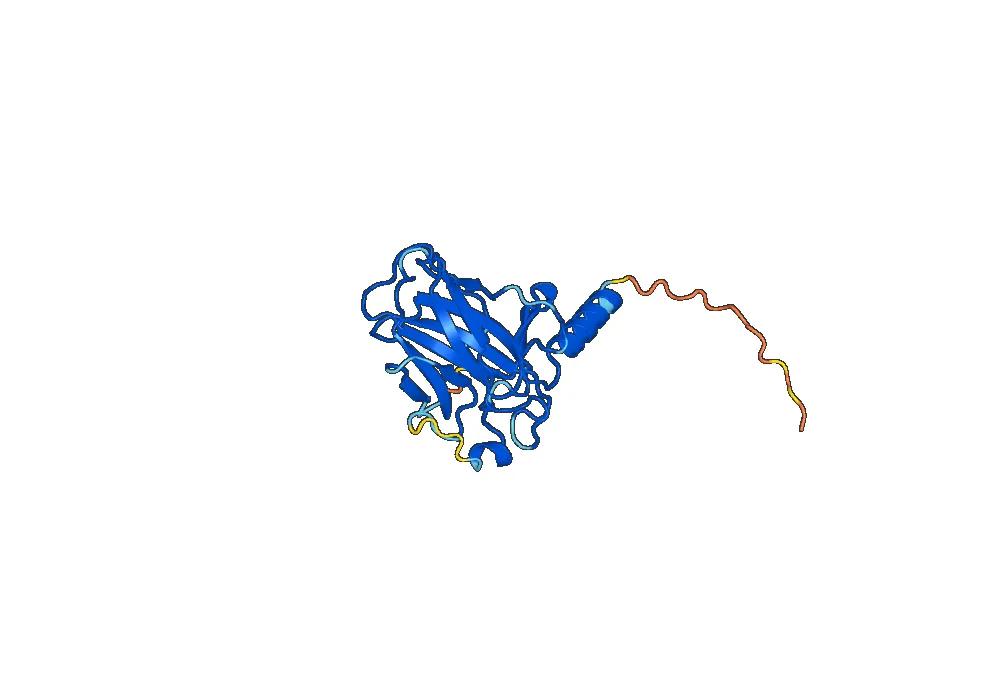
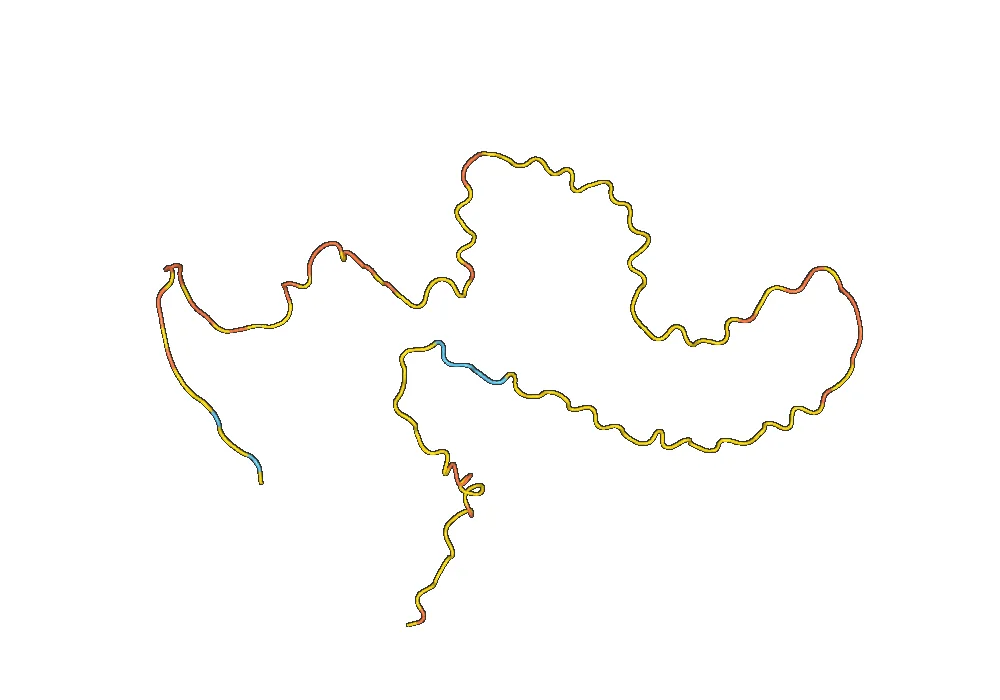
The CLDN18 gene, which encodes for Claudin-18 protein, is located on chromosome 3 in humans. The protein is composed of 223 amino acids and has a molecular weight of approximately 25 kDa. It belongs to the family of tight junction proteins, which are integral membrane proteins that form the physical barrier between cells in various tissues, including the gastrointestinal tract, kidney, and lung.
The structure of Recombinant Human CLDN18/Claudin-18 protein is composed of four transmembrane domains, two extracellular loops, and two intracellular loops. The extracellular loops are responsible for interactions with other proteins, while the intracellular loops play a role in signaling and regulation of tight junctions. The tight junctions formed by CLDN18 protein help maintain the integrity and selective permeability of the epithelial barrier.
Activity of Recombinant Human CLDN18/Claudin-18 Protein
The main activity of Recombinant Human CLDN18/Claudin-18 protein is to form tight junctions between cells in various tissues. These tight junctions play a crucial role in regulating the movement of substances, such as ions and molecules, between cells. They also act as a physical barrier, preventing the passage of harmful substances and pathogens from the lumen of the organ to the underlying tissues.
In addition to its role in barrier formation, CLDN18 protein also has other functions. It has been shown to be involved in cell proliferation, differentiation, and migration. It also plays a role in maintaining the polarity of epithelial cells, which is essential for their proper function.
Applications of Recombinant Human CLDN18/Claudin-18 Protein
Due to its important role in cell adhesion and barrier formation, Recombinant Human CLDN18/Claudin-18 protein has several potential applications in the field of medicine and biotechnology.
One of the main applications of this protein is in the development of therapeutic drugs. As tight junctions are involved in the pathogenesis of various diseases, such as inflammatory bowel disease, celiac disease, and cancer, targeting CLDN18 protein could be a potential strategy for the treatment of these conditions. Recombinant CLDN18 protein can also be used in drug screening assays to identify compounds that can modulate its activity.
Another potential application of Recombinant Human CLDN18/Claudin-18 protein is in tissue engineering. The protein can be used to create artificial barriers in cell culture systems, which can be useful for studying the transport of substances across epithelial barriers and for drug testing.
Furthermore, CLDN18 protein can also be used as an antigen for the production of specific antibodies. These antibodies can be used in various research and diagnostic applications, such as immunohistochemistry and western blotting.
Conclusion
In summary, Recombinant Human CLDN18/Claudin-18 protein is a crucial component of tight junctions, playing a vital role in cell adhesion and barrier formation in various tissues. Its structure, activity, and potential applications make it an important protein in the field of medicine and biotechnology. Further research on this protein could lead to the development of new therapies and diagnostic tools for various diseases.

There are no reviews yet.