Introduction
The TP53 or p53 protein is a crucial tumor suppressor protein that plays a key role in regulating cell growth and division. It is encoded by the TP53 gene and is often referred to as the “guardian of the genome”. Mutations in the TP53 gene have been linked to various types of cancers, making it an important target for cancer research. In this article, we will discuss the structure, activity, and application of recombinant human TP53/p53 protein.
Structure of Recombinant Human TP53/p53 Protein
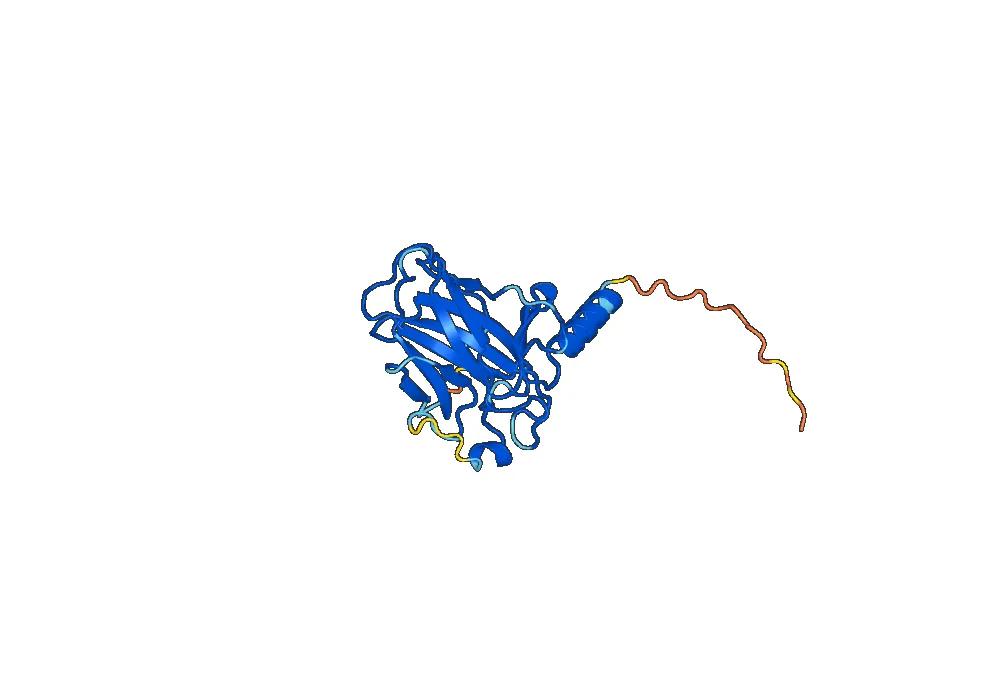
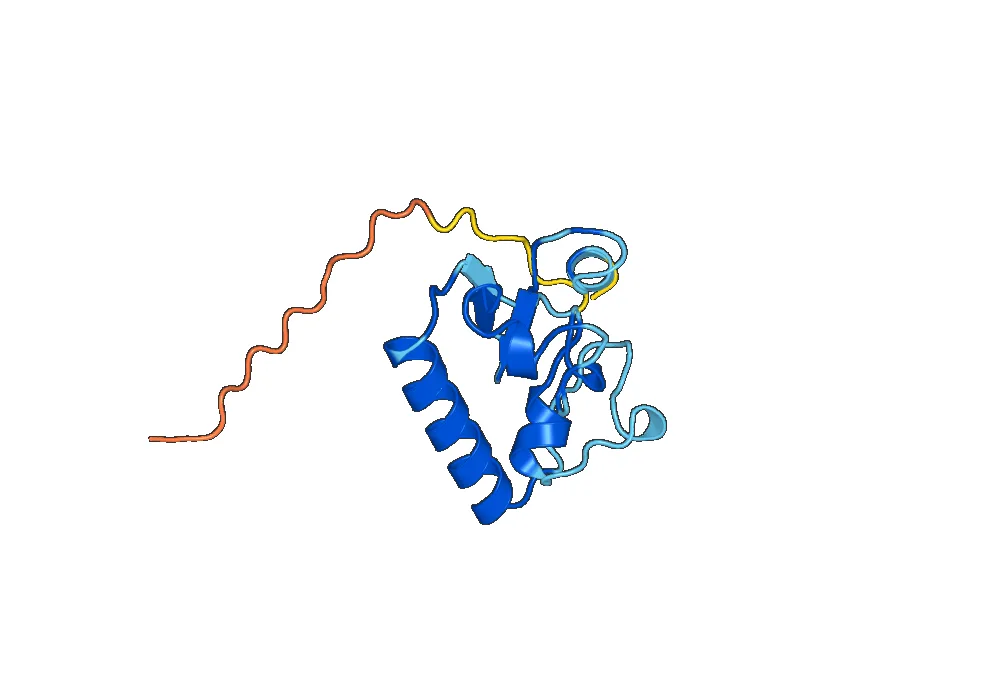
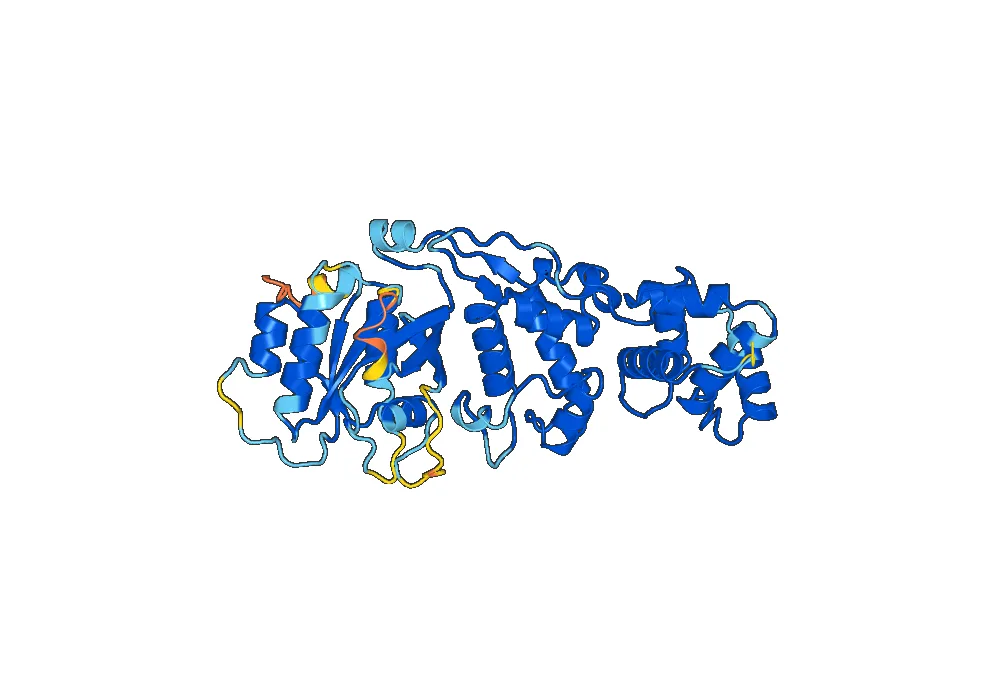
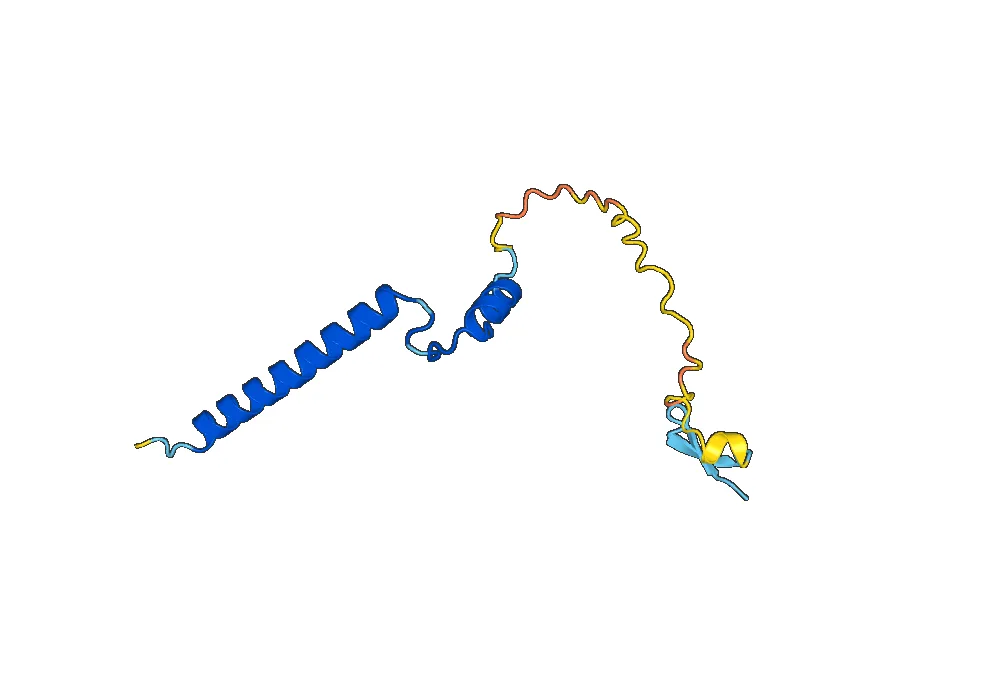
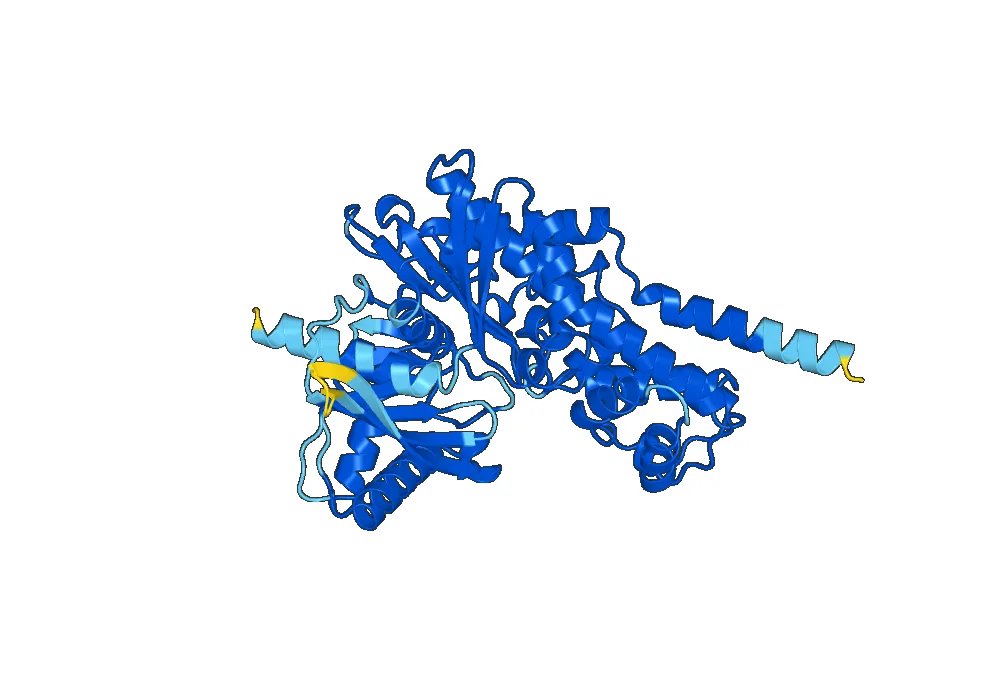
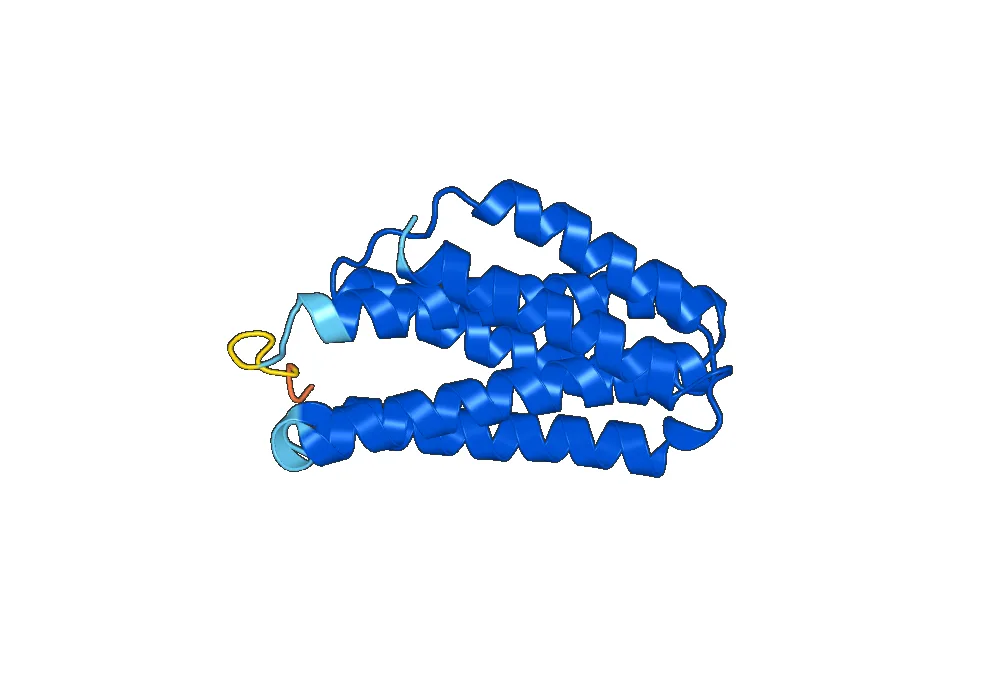
The TP53 protein is a 53 kDa protein consisting of 393 amino acids. It is composed of four domains: the N-terminal transactivation domain, the proline-rich domain, the DNA-binding domain, and the C-terminal oligomerization domain. The DNA-binding domain is responsible for binding to specific DNA sequences, while the transactivation domain is responsible for activating the transcription of target genes. The proline-rich domain and the oligomerization domain play a role in protein-protein interactions.
Recombinant human TP53/p53 protein is produced through genetic engineering techniques, where the TP53 gene is inserted into a suitable expression vector and then introduced into host cells. The protein is then expressed and purified, resulting in a highly pure and biologically active protein.
Activity of Recombinant Human TP53/p53 Protein
The main function of TP53 protein is to act as a transcription factor and regulate the expression of genes involved in cell cycle arrest, apoptosis, and DNA repair. In response to cellular stress, such as DNA damage or oncogene activation, the level of TP53 protein increases, leading to the activation of its target genes. This results in the suppression of tumor growth and the elimination of damaged cells. Mutations in the TP53 gene can disrupt this normal function, leading to uncontrolled cell growth and the development of cancer.
Recombinant human TP53/p53 protein has been extensively studied in various in vitro and in vivo models, and has been shown to exhibit similar activity as the endogenous protein. It has the ability to induce cell cycle arrest and apoptosis in cancer cells, making it a potential therapeutic agent for cancer treatment.
Application of Recombinant Human TP53/p53 Protein
The most promising application of recombinant human TP53/p53 protein is in cancer therapy. As mentioned earlier, mutations in the TP53 gene are commonly found in many types of cancers, making it an attractive target for cancer treatment. Recombinant human TP53/p53 protein can be used as a therapeutic agent to restore the normal function of the protein in cancer cells. It can also be used in combination with other cancer treatments, such as chemotherapy and radiation therapy, to enhance their effectiveness.
Recombinant human TP53/p53 protein has also been used in research studies to better understand the role of TP53 in cancer development and progression. It has been used to study the mechanisms of TP53-mediated cell cycle arrest and apoptosis, as well as to identify potential drugs that can restore the function of mutant TP53 proteins.
Conclusion
In summary, recombinant human TP53/p53 protein is a valuable tool in cancer research and therapy. Its well-characterized structure and activity make it a reliable and effective protein for studying the role of TP53 in cancer and developing new treatments for the disease. With ongoing research and advancements in technology, the use of recombinant human TP53/p53 protein is expected to continue to grow in the field of cancer biology and medicine.


There are no reviews yet.