Introduction
Recombinant Human GCK Protein, also known as Glucokinase, is a type of protein that plays a crucial role in glucose metabolism. This protein is essential for regulating blood sugar levels and is primarily found in the liver, pancreas, and brain. In this article, we will discuss the structure, activity, and applications of Recombinant Human GCK Protein.
Structure of Recombinant Human GCK Protein
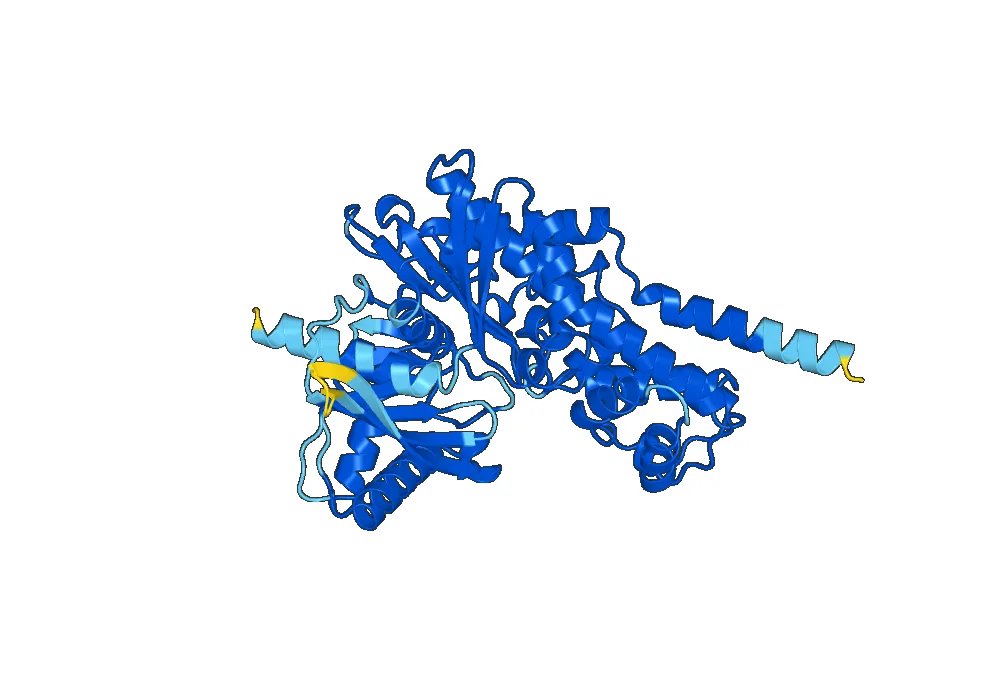
The human GCK gene encodes for a protein with a molecular weight of approximately 50 kDa. The protein is composed of 465 amino acids and has a conserved structural domain known as the glucokinase domain. This domain is responsible for the enzyme’s catalytic activity and is highly conserved among different species.
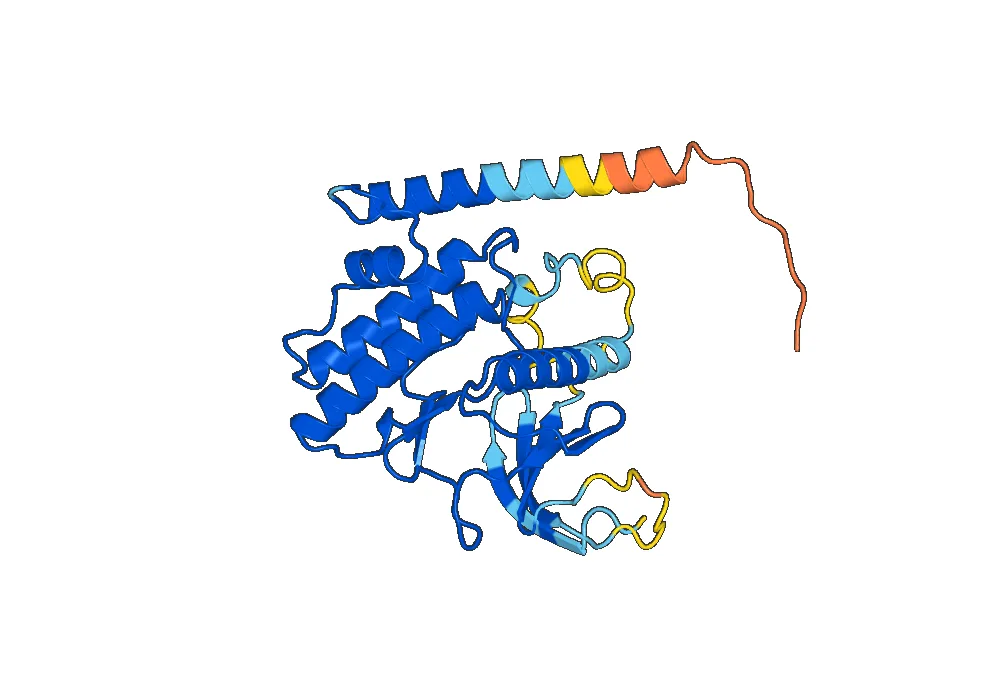
The crystal structure of Recombinant Human GCK Protein has been extensively studied, revealing that it is composed of two distinct domains – the N-terminal domain and the C-terminal domain. The N-terminal domain is responsible for binding to glucose, while the C-terminal domain is responsible for binding to ATP, the energy source for the enzyme’s activity.
Additionally, Recombinant Human GCK Protein contains several regulatory sites, including a phosphorylation site and a binding site for a regulatory protein known as GKRP. These regulatory sites play a crucial role in the enzyme’s activity and are essential for maintaining glucose homeostasis in the body.
Activity of Recombinant Human GCK Protein
Recombinant Human GCK Protein is an enzyme that catalyzes the conversion of glucose to glucose-6-phosphate, the first step in glucose metabolism. This reaction is essential for regulating blood sugar levels, as it allows cells to uptake glucose for energy production or storage.
The activity of Recombinant Human GCK Protein is tightly regulated by several factors, including glucose levels, ATP levels, and the presence of regulatory proteins. When glucose levels are high, the enzyme is activated, leading to increased glucose uptake and metabolism. In contrast, low glucose levels and high ATP levels inhibit the enzyme’s activity, preventing excessive glucose uptake and maintaining glucose homeostasis.
Applications of Recombinant Human GCK Protein
Recombinant Human GCK Protein has several important applications in both research and clinical settings.
1. Research: Recombinant Human GCK Protein is widely used in biochemical and molecular biology studies to understand the role of this enzyme in glucose metabolism. It is also used in drug discovery and development to identify potential therapeutic agents for diabetes and other metabolic disorders.
2. Clinical: Mutations in the GCK gene have been associated with several diseases, including maturity-onset diabetes of the young (MODY) and hyperinsulinemic hypoglycemia. Recombinant Human GCK Protein is used in diagnostic tests to identify these mutations and aid in the diagnosis of these diseases.
3. Therapeutic: As Recombinant Human GCK Protein is crucial for regulating blood sugar levels, it has been investigated as a potential therapeutic target for diabetes. Several studies have shown promising results in using this protein to develop new treatments for both type 1 and type 2 diabetes.
Conclusion
In conclusion, Recombinant Human GCK Protein is a vital enzyme involved in glucose metabolism. Its structure, activity, and regulatory mechanisms have been extensively studied, leading to a better understanding of its role in maintaining glucose homeostasis. This protein has numerous applications in research, clinical diagnostics, and potential therapeutic interventions for diabetes and other metabolic disorders.


There are no reviews yet.