Introduction to Recombinant Human CUL4A Protein
Recombinant Human CUL4A Protein, also known as Cullin 4A, is a protein that plays a crucial role in the regulation of cell cycle and DNA damage response. It is a member of the Cullin family of proteins, which are involved in the assembly of ubiquitin ligase complexes. These complexes are responsible for tagging proteins for degradation, thus playing a key role in maintaining cellular homeostasis. The recombinant form of this protein is produced through genetic engineering techniques, making it a valuable tool for research and therapeutic applications.
Structure of Recombinant Human CUL4A Protein
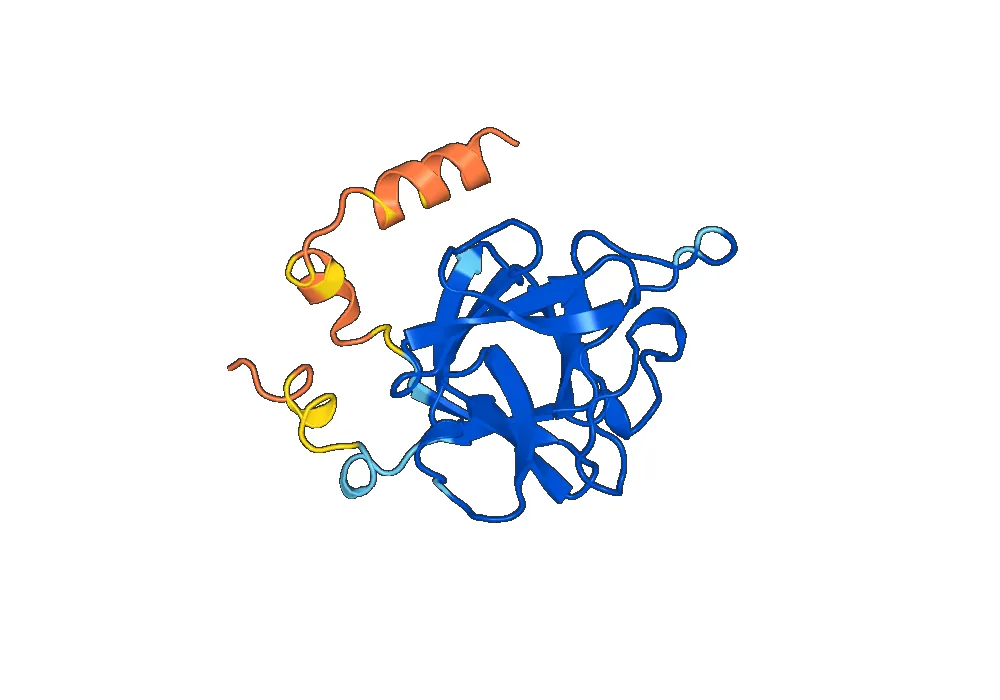
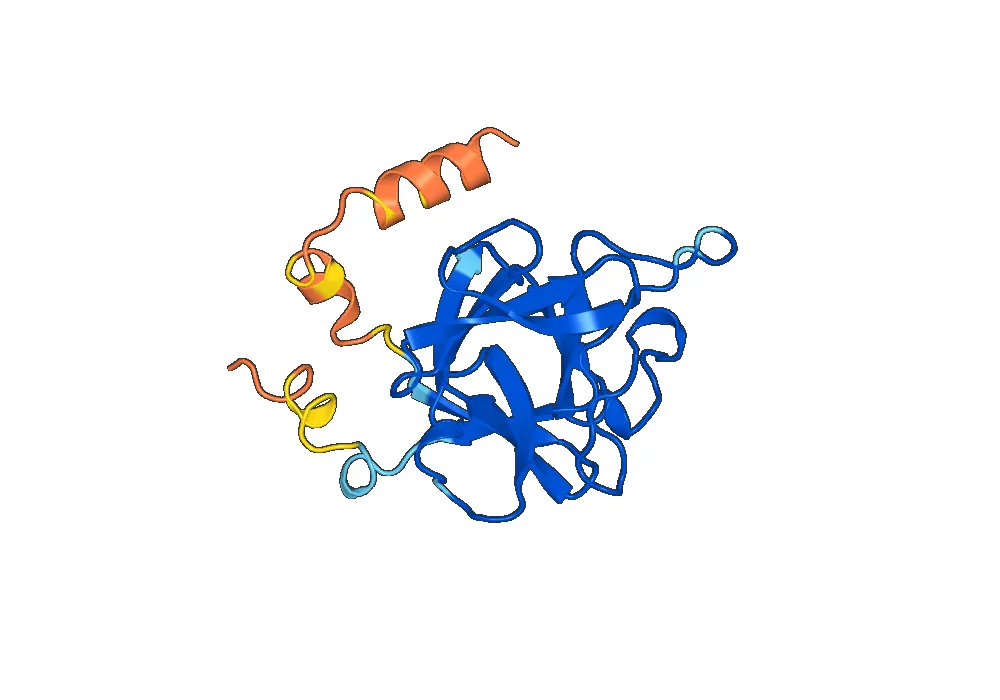
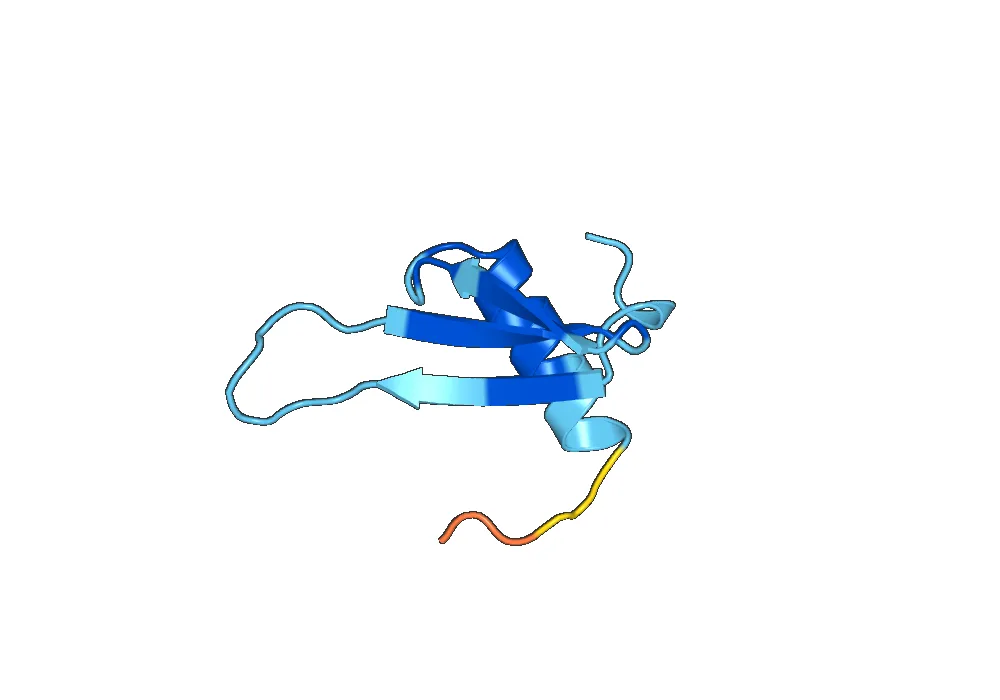
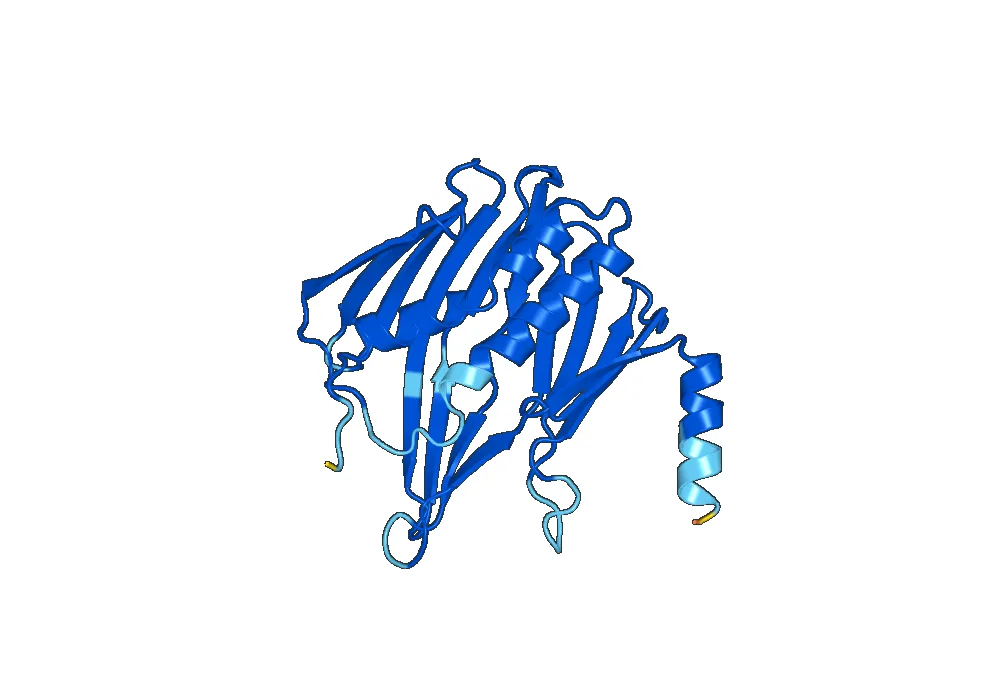
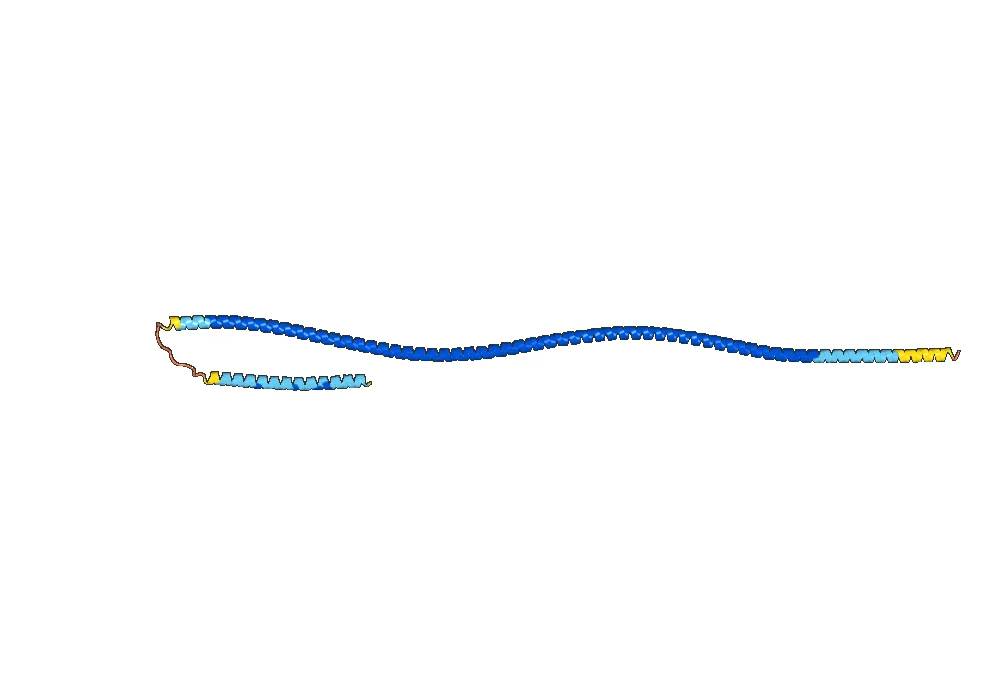
The recombinant form of CUL4A protein is a 90 kDa protein consisting of 759 amino acids. It is composed of several domains, including a C-terminal domain, a N-terminal domain, and a central region that contains multiple WD40 repeats. These domains are essential for the proper functioning of the protein. The C-terminal domain is responsible for binding to other proteins, while the N-terminal domain is involved in the recruitment of the substrate to be degraded. The WD40 repeats in the central region are involved in protein-protein interactions, allowing the formation of the ubiquitin ligase complex.
Activity of Recombinant Human CUL4A Protein
The main function of CUL4A protein is to act as a scaffold protein in the assembly of the CUL4A-Ring E3 ubiquitin ligase complex. This complex plays a crucial role in the degradation of various proteins involved in cell cycle regulation and DNA damage response. CUL4A protein acts as a bridge between the substrate and the E3 ligase, facilitating the transfer of ubiquitin molecules to the target protein. This process marks the protein for degradation by the proteasome, ultimately leading to its removal from the cell.
Apart from its role in protein degradation, CUL4A protein also plays a role in chromatin remodeling and transcriptional regulation. It has been shown to interact with various transcription factors and epigenetic modifiers, suggesting its involvement in gene expression control. Furthermore, studies have also demonstrated the role of CUL4A protein in cellular senescence, apoptosis, and tumorigenesis, making it a valuable target for cancer research.
Applications of Recombinant Human CUL4A Protein
The recombinant form of CUL4A protein has various applications in both research and therapeutic settings. It is widely used in studies involving cell cycle regulation, DNA damage response, and protein degradation pathways. The ability to produce large quantities of this protein through genetic engineering techniques has made it a valuable tool for understanding its role in various cellular processes.
In addition to its research applications, recombinant CUL4A protein also holds potential therapeutic value. Studies have shown that dysregulation of CUL4A protein is associated with various types of cancer, making it a potential target for cancer treatment. Furthermore, the recombinant form of this protein can be used to develop inhibitors that can disrupt its interaction with other proteins, thus inhibiting its activity and potentially preventing cancer progression.
Conclusion
Recombinant Human CUL4A Protein is a crucial protein involved in the regulation of cell cycle and DNA damage response. Its ability to form complexes with other proteins and facilitate the degradation of target proteins makes it a key player in maintaining cellular homeostasis. The recombinant form of this protein has various applications in research and holds potential therapeutic value in cancer treatment. Further studies on its structure and activity will provide a better understanding of its role in cellular processes and its potential as a therapeutic target.

There are no reviews yet.