Introduction to Recombinant Human EXOC2 Protein
Recombinant Human EXOC2 Protein, also known as Exocyst Complex Component 2, is a key protein involved in the exocyst complex, which plays a crucial role in exocytosis and cell membrane trafficking. This protein is encoded by the EXOC2 gene and is highly conserved across different species, suggesting its importance in cellular function.
Structure of Recombinant Human EXOC2 Protein
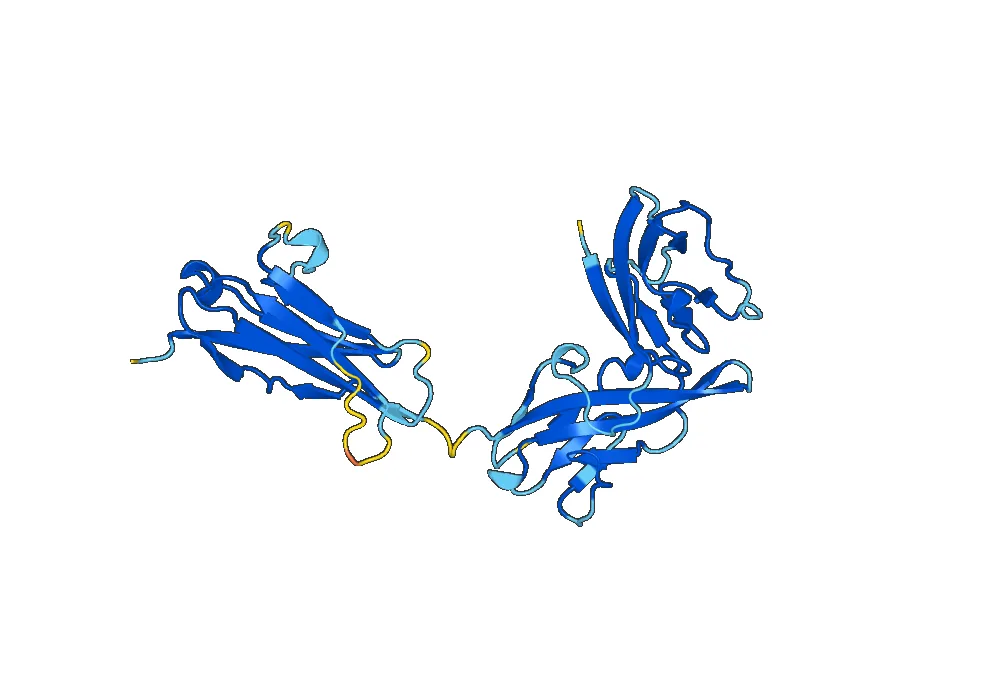
The Recombinant Human EXOC2 Protein is a 79 kDa protein consisting of 704 amino acids. It is composed of several domains, including an N-terminal coiled-coil domain, a central Sec10 homology domain, and a C-terminal domain. These domains are essential for the protein’s function in the exocyst complex and its interactions with other proteins.
The N-terminal coiled-coil domain is responsible for the protein’s oligomerization, which is crucial for its function in the exocyst complex. The central Sec10 homology domain is responsible for binding to other exocyst complex components, such as Sec15 and Sec6, and is essential for the formation of the exocyst complex. The C-terminal domain is involved in the binding of the exocyst complex to the cell membrane, facilitating the targeting and fusion of transport vesicles to the plasma membrane.
Activity of Recombinant Human EXOC2 Protein
The activity of Recombinant Human EXOC2 Protein is primarily associated with its role in the exocyst complex. The exocyst complex is a protein complex consisting of eight subunits, including EXOC2, that is involved in the final stages of exocytosis. Exocytosis is the process by which cells release materials, such as hormones, neurotransmitters, and enzymes, from the cell through the fusion of transport vesicles with the plasma membrane.
The exocyst complex acts as a tethering complex, bringing the transport vesicle close to the plasma membrane and facilitating its fusion. Recombinant Human EXOC2 Protein plays a crucial role in this process by interacting with other exocyst complex components and the cell membrane, ensuring the precise targeting and fusion of transport vesicles.
In addition to its role in exocytosis, Recombinant Human EXOC2 Protein has also been implicated in other cellular processes, such as cell migration, cell division, and ciliogenesis. These activities are likely due to the protein’s interactions with other proteins and its involvement in the regulation of membrane trafficking.
Application of Recombinant Human EXOC2 Protein
Recombinant Human EXOC2 Protein has several potential applications in both research and therapeutic settings. One of the most significant applications is in the study of exocytosis and membrane trafficking. By studying the function of this protein in the exocyst complex, researchers can gain a better understanding of the mechanisms involved in these processes and their role in various diseases.
Furthermore, Recombinant Human EXOC2 Protein can also be used as an antigen in the development of diagnostic assays and vaccines. As this protein is highly conserved across species, it can be used as a target for the detection of infections or autoimmune diseases. It can also be used as an antigen in the development of vaccines against diseases that involve dysregulation of exocytosis, such as diabetes and cancer.
In conclusion, Recombinant Human EXOC2 Protein is a crucial protein involved in the exocyst complex, with essential roles in exocytosis, cell membrane trafficking, and other cellular processes. Its structure, activity, and potential applications make it a valuable protein for both research and therapeutic purposes.



There are no reviews yet.