Introduction to Recombinant Human FBLN5
Recombinant Human FBLN5, also known as Fibulin-5, is a protein that plays an important role in extracellular matrix (ECM) organization and cell adhesion. It is a member of the fibulin family, a group of proteins that are essential for tissue development and homeostasis. Recombinant Human FBLN5 is produced through genetic engineering techniques, making it a valuable tool in scientific research and potential therapeutic applications.
Structure of Recombinant Human FBLN5
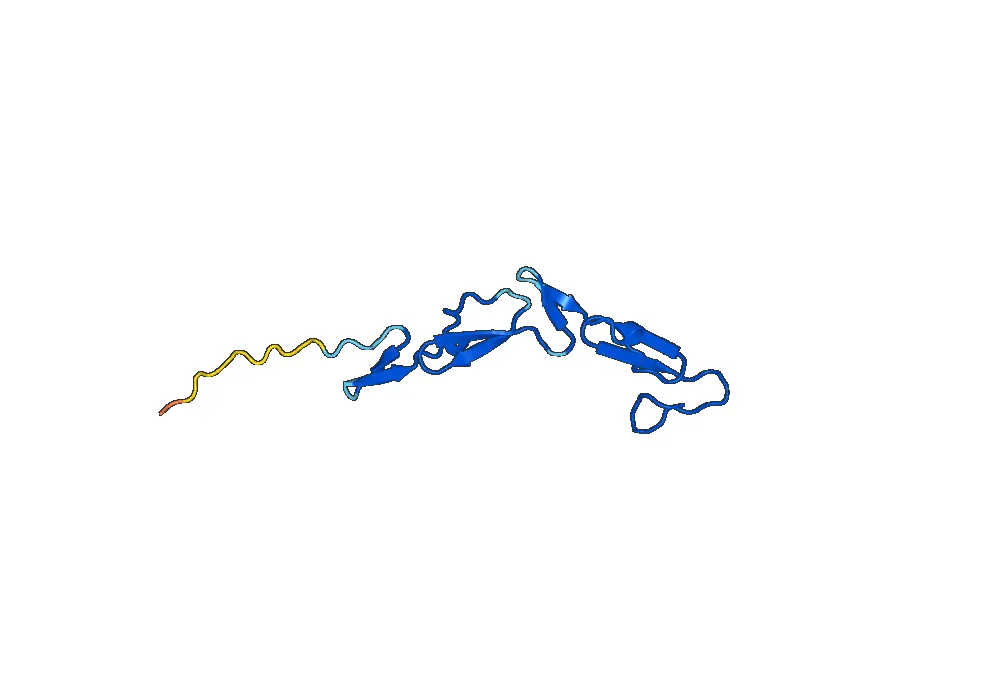
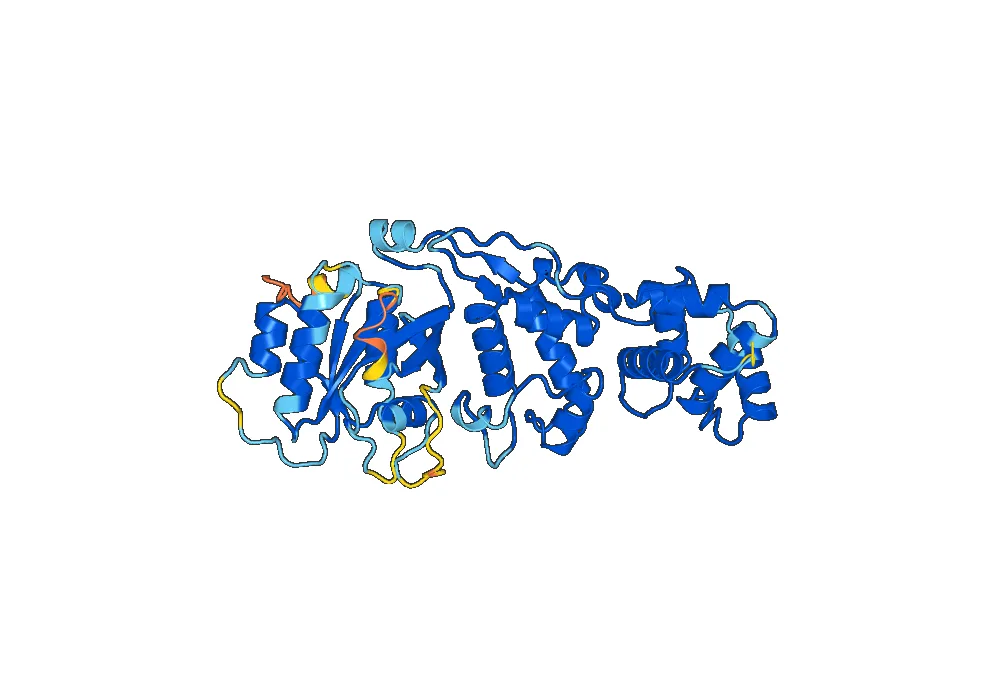
Recombinant Human FBLN5 is a 68 kDa protein composed of 579 amino acids. It contains an N-terminal signal peptide, followed by a proline-rich region, four calcium-binding epidermal growth factor (EGF)-like domains, and a C-terminal fibulin-type calcium-binding (TB) domain. The EGF-like domains are responsible for mediating cell adhesion and binding to ECM proteins, while the TB domain is involved in protein-protein interactions.
The structure of Recombinant Human FBLN5 is similar to other members of the fibulin family, with the exception of an additional EGF-like domain. This unique feature allows Recombinant Human FBLN5 to interact with a wider range of proteins and play a more diverse role in tissue development and maintenance.
Activity of Recombinant Human FBLN5
Recombinant Human FBLN5 is primarily known for its role in ECM organization and cell adhesion. It is produced by fibroblasts, smooth muscle cells, and endothelial cells and is found in various tissues, including the skin, blood vessels, and lungs. Recombinant Human FBLN5 binds to other ECM proteins such as fibronectin, collagen, and elastin, and helps to stabilize and maintain the structure of the ECM.
In addition to its structural role, Recombinant Human FBLN5 also has important signaling functions. It can regulate cell proliferation, migration, and differentiation through interactions with growth factors and other signaling molecules. Recombinant Human FBLN5 has also been shown to inhibit the activity of matrix metalloproteinases (MMPs), which are enzymes involved in ECM degradation.
Application of Recombinant Human FBLN5
The unique structure and activity of Recombinant Human FBLN5 make it a valuable tool in various scientific applications. One major use of Recombinant Human FBLN5 is in tissue engineering and regenerative medicine. Its ability to promote cell adhesion and ECM organization makes it a promising candidate for tissue scaffolding and wound healing.
In addition, Recombinant Human FBLN5 has potential therapeutic applications. Studies have shown that it can inhibit tumor growth and angiogenesis, making it a potential anti-cancer agent. It has also been investigated for its role in cardiovascular diseases, as it can improve vascular integrity and prevent atherosclerosis.
Recombinant Human FBLN5 is also widely used in research to study the role of ECM proteins in various biological processes. Its interactions with other proteins, growth factors, and enzymes make it a valuable tool for understanding the complex mechanisms of tissue development, homeostasis, and disease.
Conclusion
In conclusion, Recombinant Human FBLN5 is a unique protein with a diverse range of functions. Its structure and activity make it an essential component of the ECM and a key player in tissue development and maintenance. With its potential therapeutic applications and use in scientific research, Recombinant Human FBLN5 continues to be a valuable tool in the field of biotechnology.


There are no reviews yet.