Title: Introduction to Recombinant Human FLCN Protein
Recombinant Human FLCN Protein, also known as Folliculin, is a protein that is encoded by the FLCN gene. This gene is located on chromosome 17 and is responsible for the production of the Folliculin protein. Recombinant Human FLCN Protein is a highly conserved protein that is found in many organisms, including humans. It plays a crucial role in various cellular processes and has been the subject of extensive research in recent years.
Structure of Recombinant Human FLCN Protein
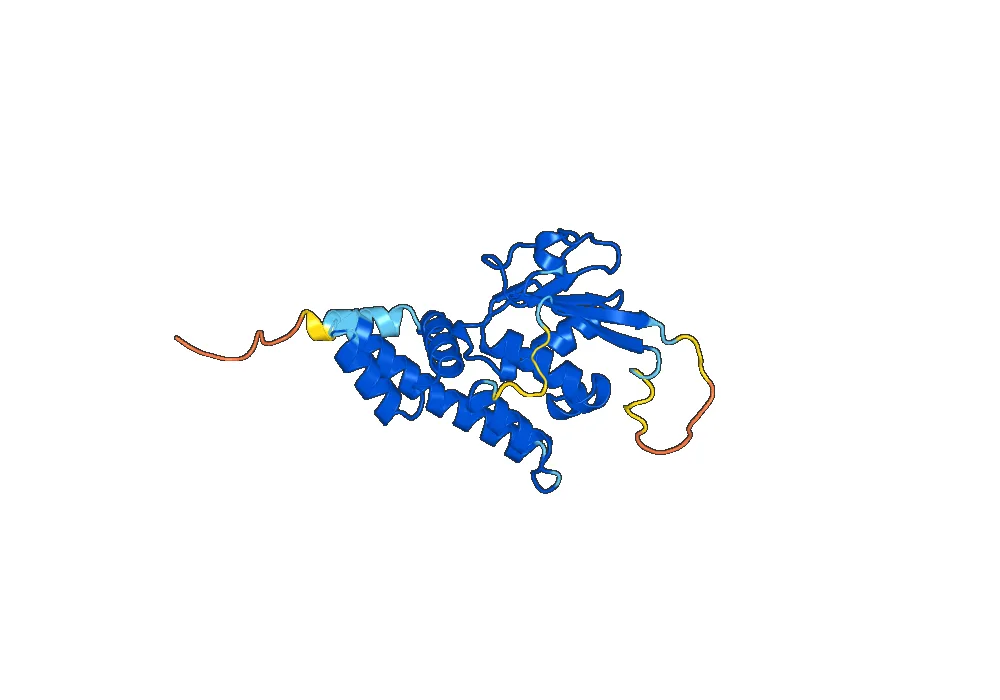
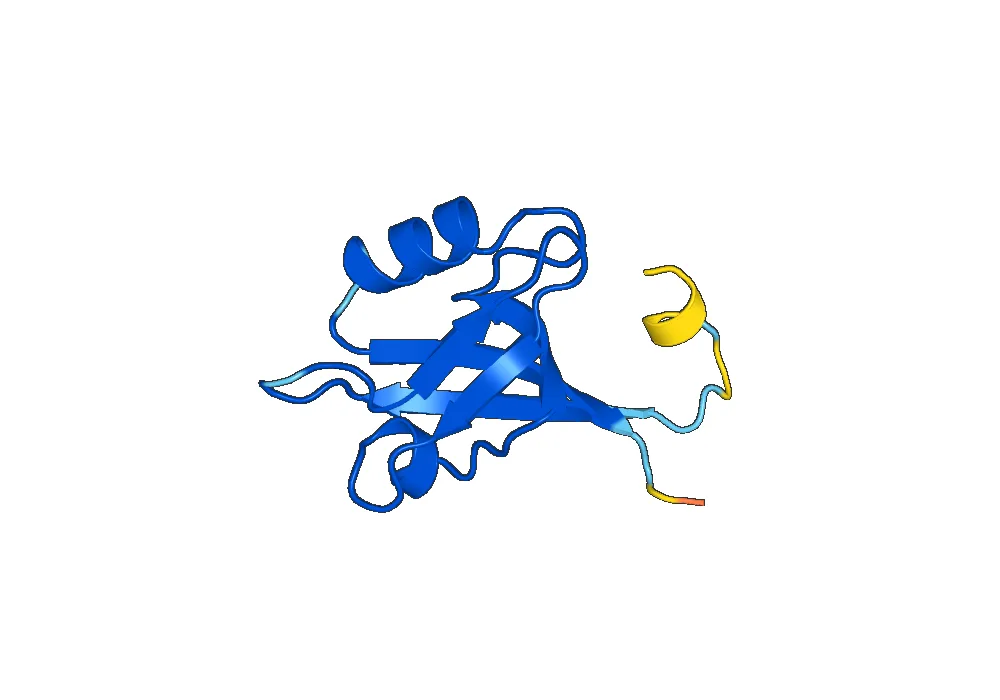
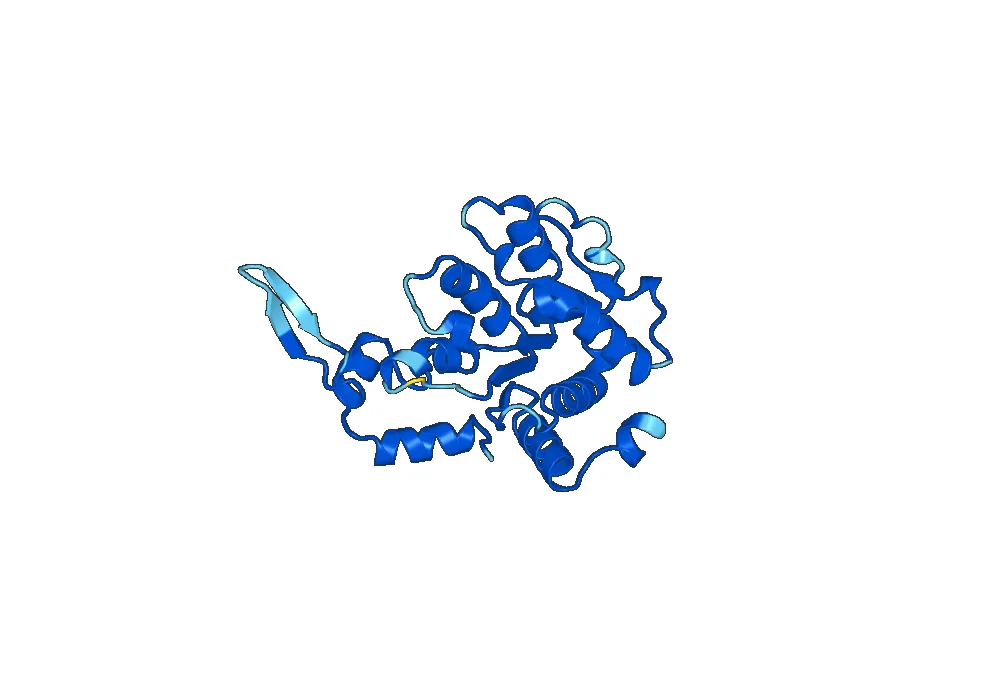
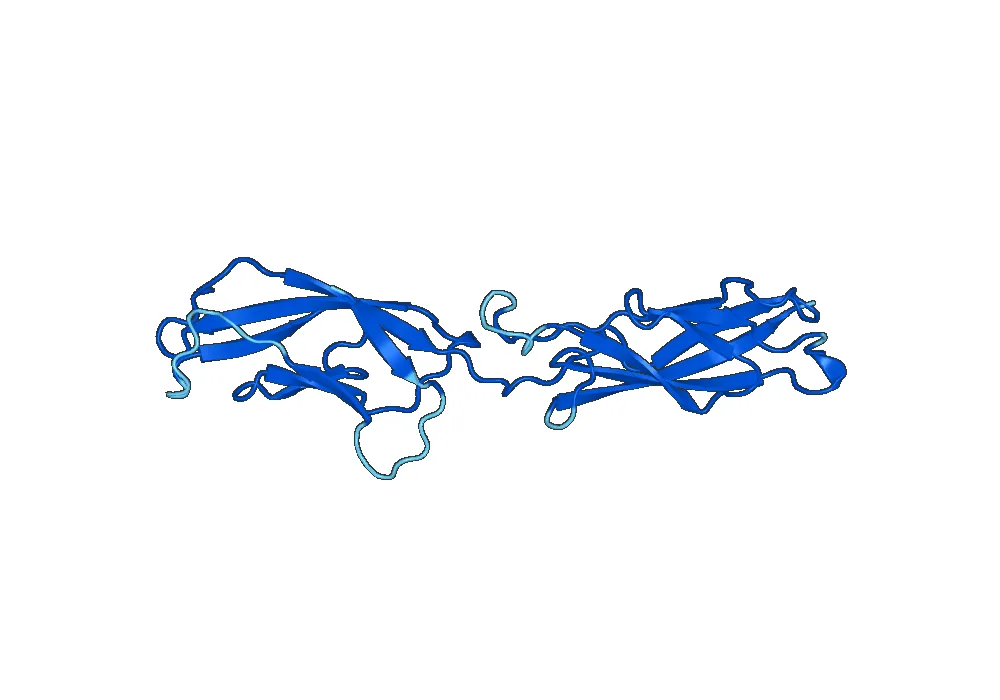
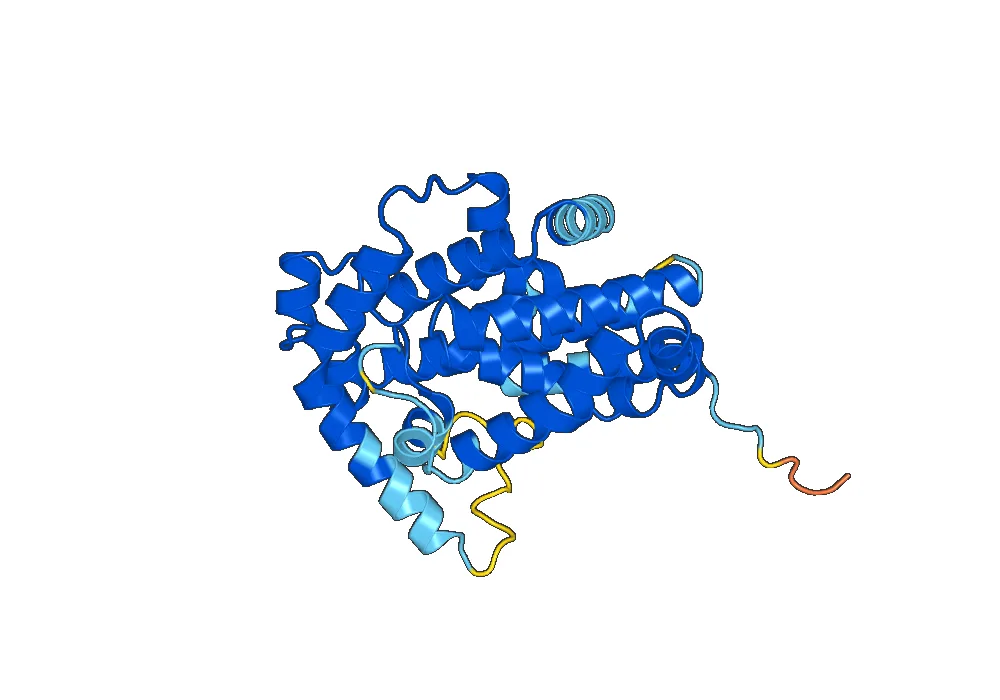
The Recombinant Human FLCN Protein is composed of 579 amino acids and has a molecular weight of approximately 64 kDa. It is a large protein with a complex structure, consisting of multiple domains and regions. The N-terminal region of the protein contains a conserved domain known as the DENN domain, which is responsible for its interaction with other proteins. The C-terminal region of the protein contains a region called the FNIP domain, which is involved in the regulation of cellular metabolism.
Activity of Recombinant Human FLCN Protein
The primary function of Recombinant Human FLCN Protein is to act as a tumor suppressor. It is involved in the regulation of cell growth, proliferation, and survival. Studies have shown that mutations in the FLCN gene can lead to the development of Birt-Hogg-Dubé syndrome, a rare genetic disorder characterized by the formation of tumors in various organs, including the skin, lungs, and kidneys. This highlights the crucial role of Recombinant Human FLCN Protein in maintaining cellular homeostasis and preventing the development of tumors.
In addition to its role as a tumor suppressor, Recombinant Human FLCN Protein has been found to be involved in other cellular processes, such as autophagy and cellular signaling. It has been shown to interact with various proteins, including AMP-activated protein kinase (AMPK), mTORC1, and Rheb, and regulate their activity. This suggests that Recombinant Human FLCN Protein plays a crucial role in the regulation of cellular metabolism and energy homeostasis.
Application of Recombinant Human FLCN Protein
Recombinant Human FLCN Protein has a wide range of potential applications in both research and clinical settings. Its role as a tumor suppressor makes it a promising target for the development of new cancer therapies. By understanding the structure and function of Recombinant Human FLCN Protein, researchers can identify potential inhibitors or activators that can modulate its activity and potentially treat Birt-Hogg-Dubé syndrome and other diseases associated with FLCN mutations.
In addition, Recombinant Human FLCN Protein can also be used as an antigen in immunological studies. Its highly conserved nature makes it an ideal candidate for generating antibodies that can be used to detect and study its expression and activity in different tissues and cell types. These antibodies can also be used in diagnostic tests for Birt-Hogg-Dubé syndrome and other diseases associated with FLCN mutations.
Conclusion
In summary, Recombinant Human FLCN Protein is a highly conserved protein that plays a crucial role in various cellular processes, including tumor suppression, autophagy, and cellular signaling. Its structure and activity have been extensively studied, and it has shown potential as a therapeutic target and antigen in immunological studies. Further research on Recombinant Human FLCN Protein will undoubtedly provide valuable insights into its role in maintaining cellular homeostasis and its potential applications in various fields.

There are no reviews yet.