Introduction
Recombinant Human FN3K (Fibronectin 3 kinase) is a protein that has been produced through recombinant DNA technology. It belongs to the family of kinases, which are enzymes that play a crucial role in cell signaling and regulation. FN3K is involved in the metabolism of a sugar called fructose and has been found to have important functions in various biological processes. In this article, we will explore the structure, activity, and applications of Recombinant Human FN3K.
Structure of Recombinant Human FN3K
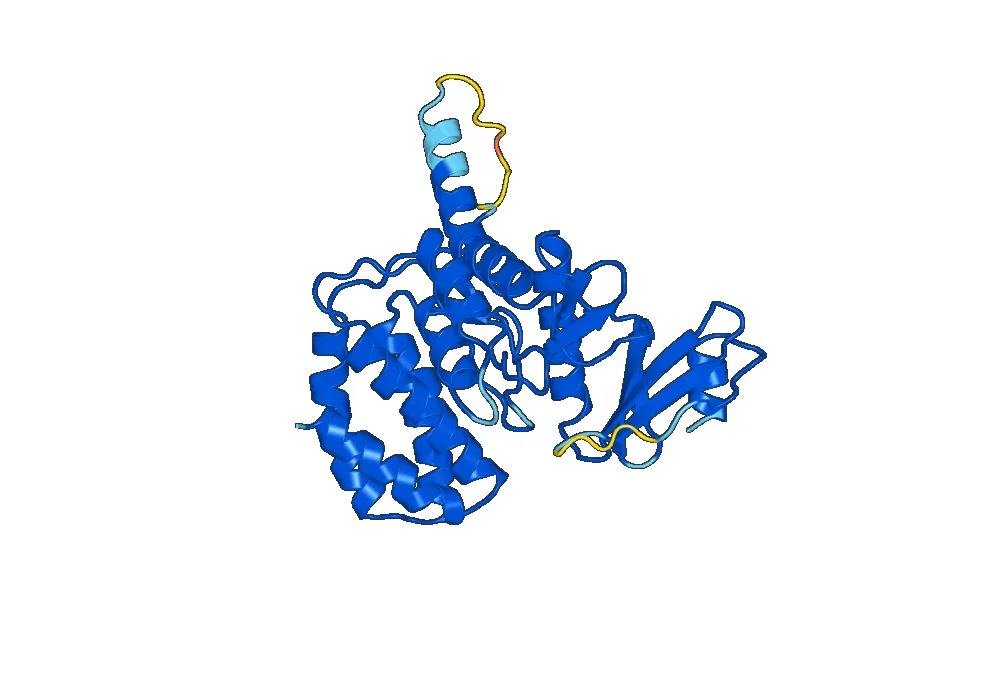
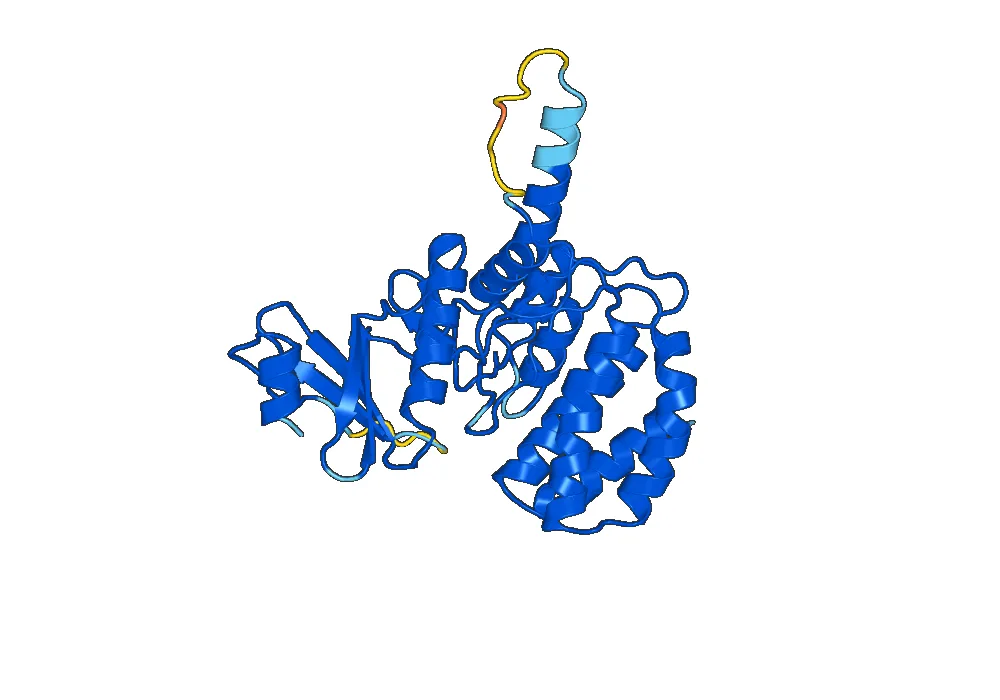
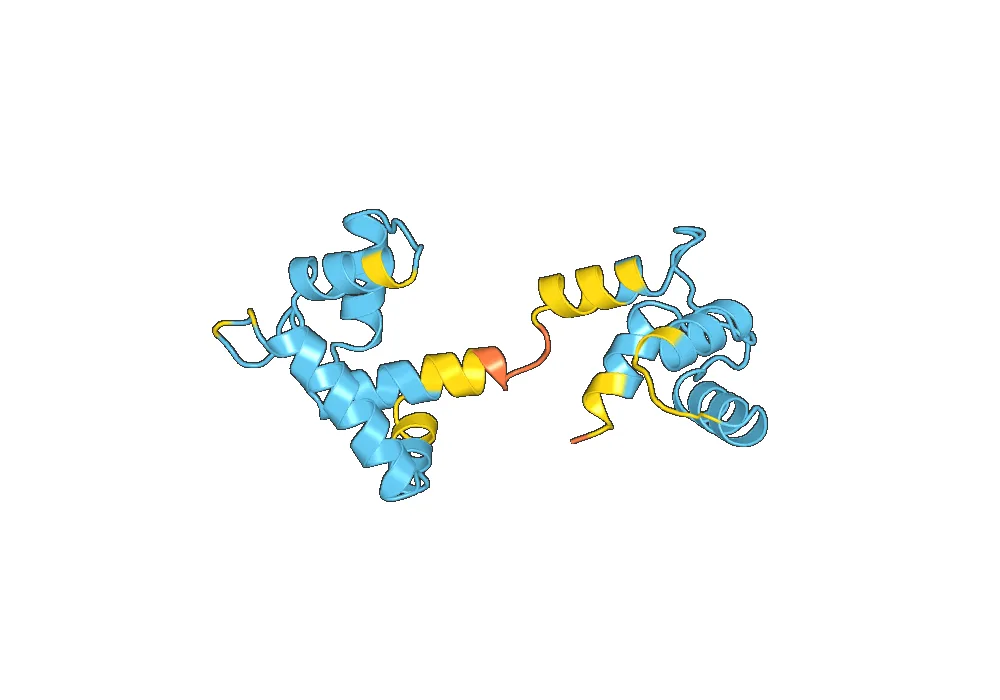
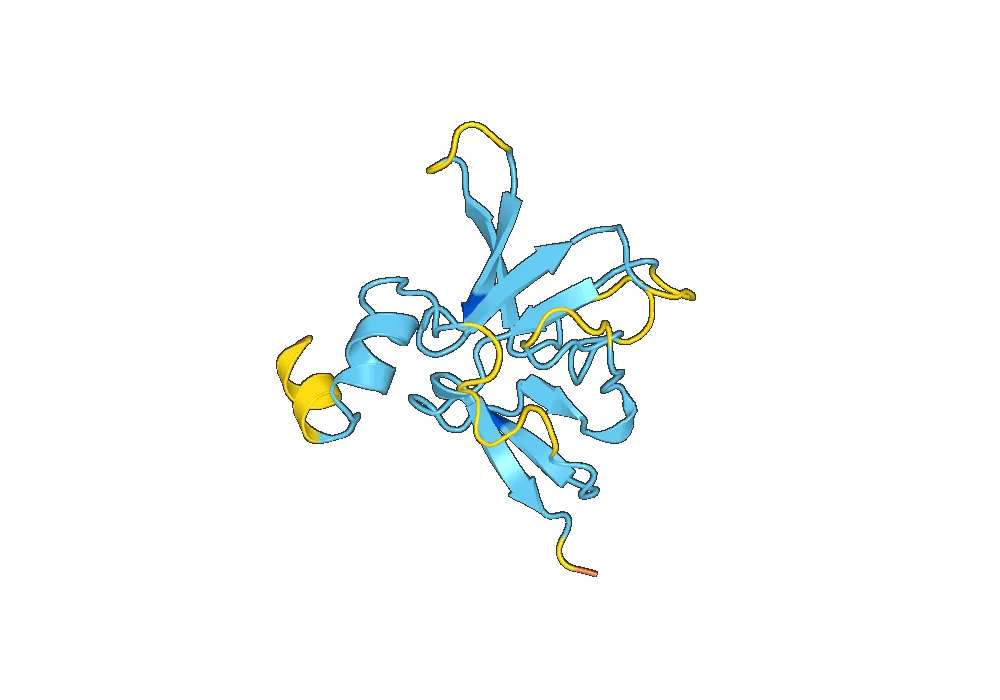
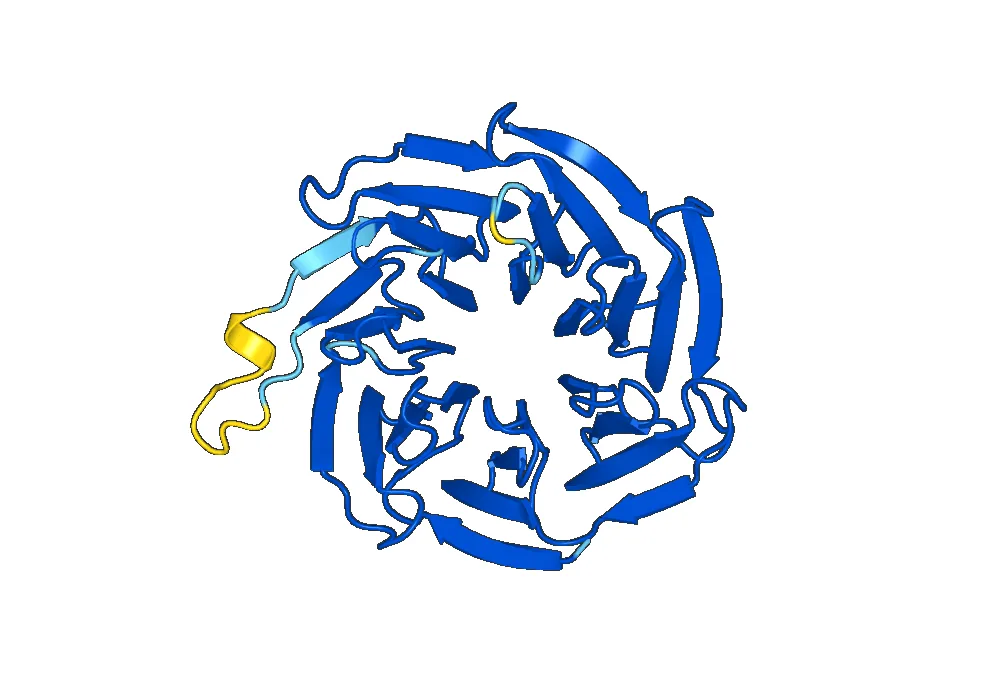
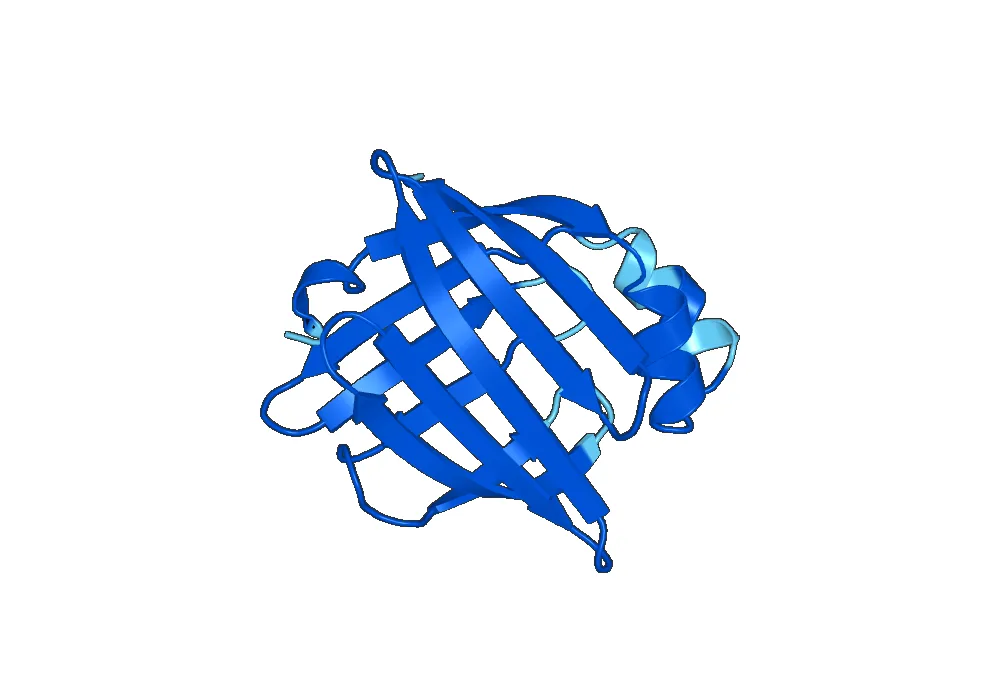
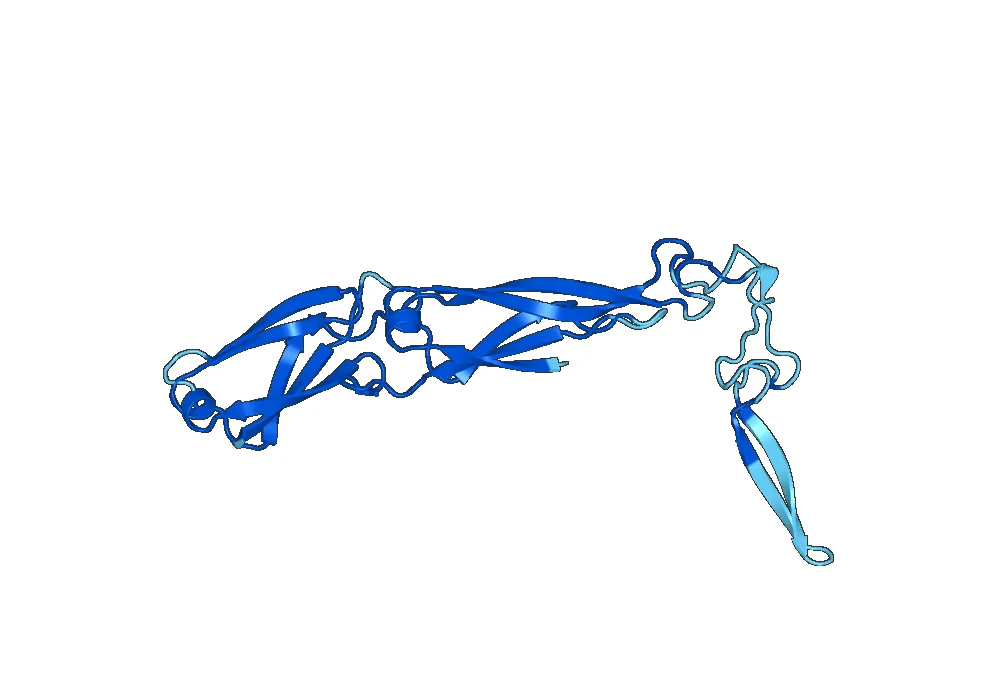
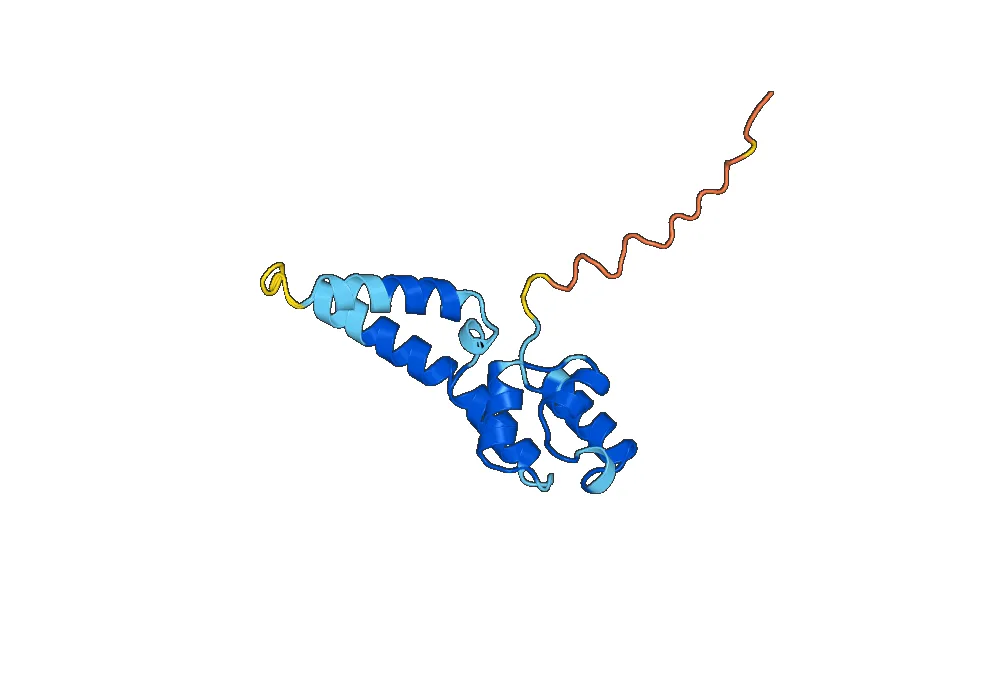
Recombinant Human FN3K is a 33 kDa protein that consists of 298 amino acids. It is made up of three distinct domains: an N-terminal domain, a central catalytic domain, and a C-terminal domain. The N-terminal domain is responsible for binding to fibronectin, a protein found in the extracellular matrix. The central catalytic domain contains the active site where the enzyme catalyzes the conversion of fructose to fructose-3-phosphate. The C-terminal domain is involved in stabilizing the protein structure.
Activity of Recombinant Human FN3K
The main activity of Recombinant Human FN3K is the phosphorylation of fructose, a simple sugar found in many foods. This process involves the transfer of a phosphate group from ATP to fructose, resulting in the formation of fructose-3-phosphate. This reaction is reversible, and FN3K can also catalyze the dephosphorylation of fructose-3-phosphate back to fructose.
In addition to its role in fructose metabolism, FN3K has been found to have other important activities. It has been shown to be involved in the regulation of cell growth and differentiation, as well as cell adhesion and migration. FN3K has also been linked to the development and progression of certain diseases, such as diabetes and cancer.
Applications of Recombinant Human FN3K
Recombinant Human FN3K has a wide range of applications in both research and industry. One of its main uses is in the production of recombinant proteins. FN3K has been shown to enhance the production and secretion of recombinant proteins in mammalian cells, making it a valuable tool in biotechnology.
Another potential application of Recombinant Human FN3K is in the treatment of diseases related to fructose metabolism. As mentioned earlier, FN3K plays a crucial role in the regulation of fructose levels in the body. Abnormalities in this process have been linked to diseases such as diabetes and metabolic syndrome. By modulating the activity of FN3K, it may be possible to develop new treatments for these conditions.
In addition, FN3K has been identified as a potential target for drug development. Inhibitors of FN3K have been shown to have anti-cancer effects, making it a promising target for cancer therapy. Furthermore, FN3K inhibitors have also been investigated for their potential in treating other diseases, such as inflammation and neurodegenerative disorders.
Conclusion
In summary, Recombinant Human FN3K is a versatile protein with important roles in fructose metabolism and various biological processes. Its structure, activity, and applications make it a valuable tool in biotechnology and a potential target for drug development. Further research on FN3K and its functions may lead to new insights and potential treatments for various diseases.
There are no reviews yet.