Title: Introduction to Recombinant Human FNDC1 Protein
Recombinant Human FNDC1 Protein, also known as Fibronectin type III domain-containing protein 1, is a human protein that plays a crucial role in cell adhesion, migration, and proliferation. This protein is encoded by the FNDC1 gene and is a member of the fibronectin type III domain-containing protein family. FNDC1 protein contains three fibronectin type III domains, which are important for protein-protein interactions. In this article, we will discuss the structure, activity, and application of Recombinant Human FNDC1 Protein.
Title: Structure of Recombinant Human FNDC1 Protein
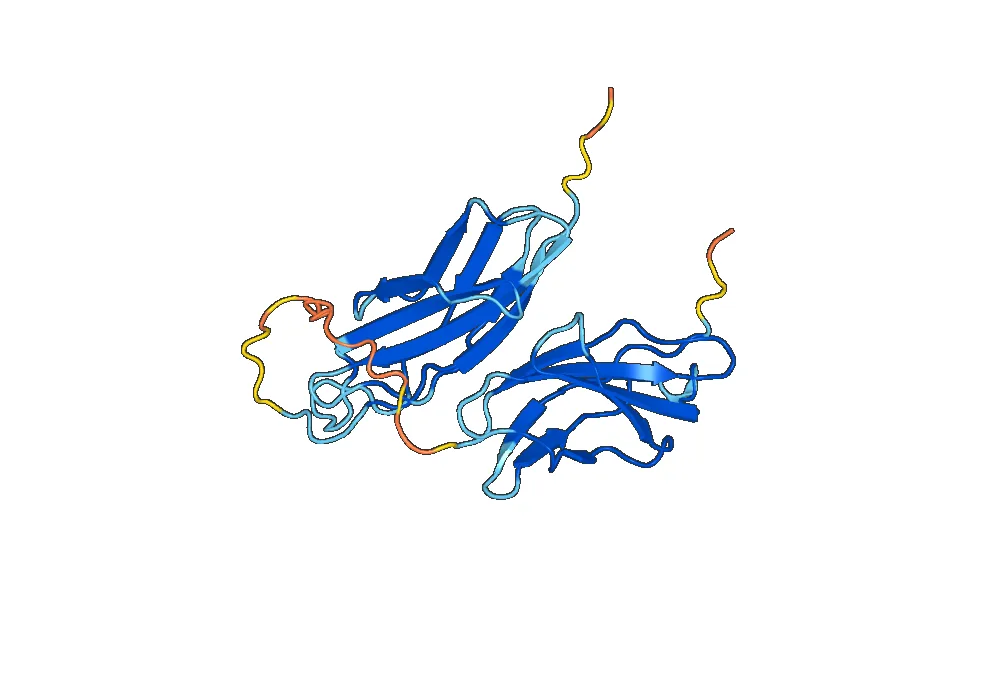
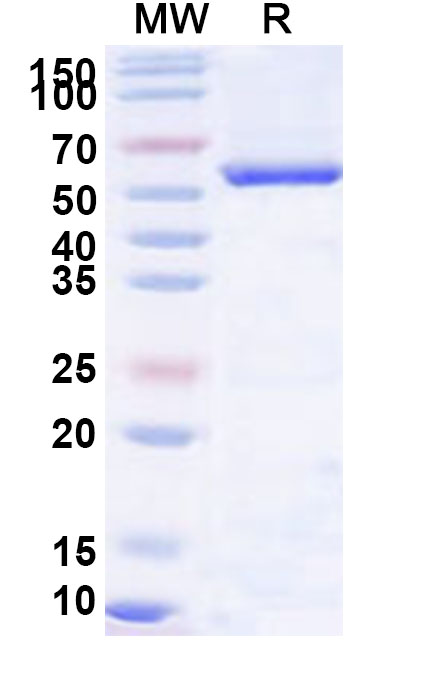
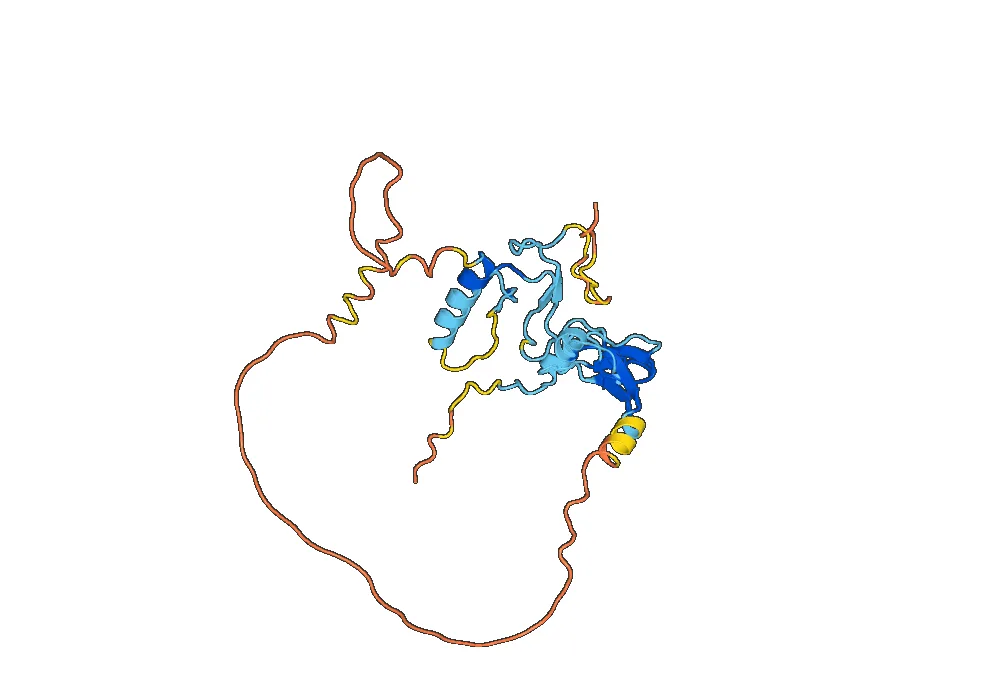
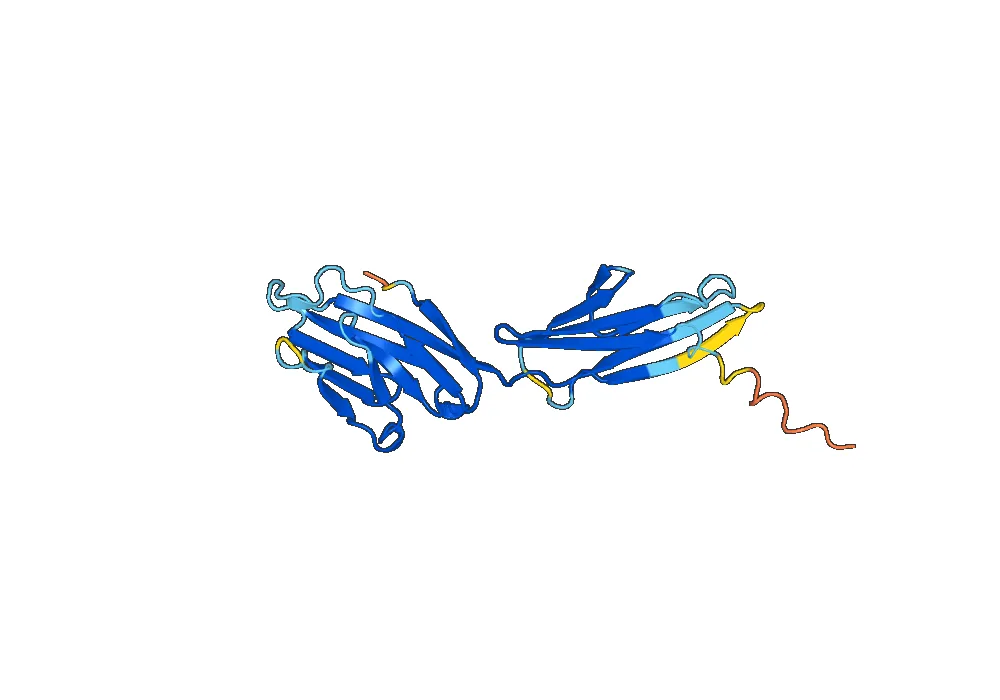
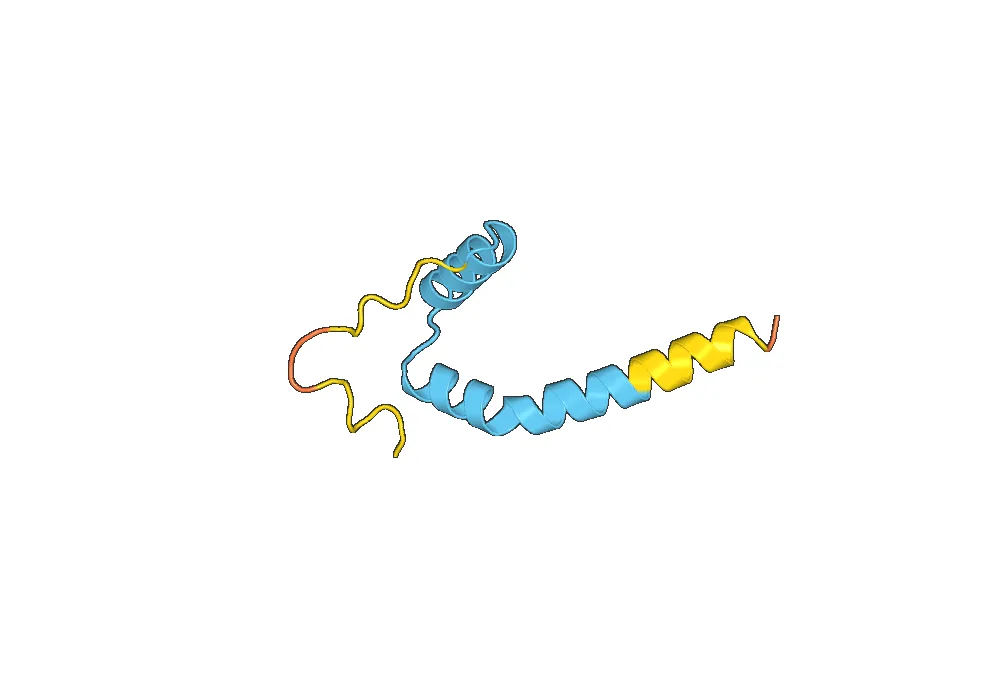
Recombinant Human FNDC1 Protein is a 33 kDa protein that is composed of 299 amino acids. It contains three fibronectin type III domains, which are connected by flexible linker regions. These domains are responsible for the protein’s ability to interact with other proteins and play a role in cell adhesion. The first domain is the N-terminal domain, which is responsible for binding to integrin receptors. The second and third domains are involved in binding to other extracellular matrix proteins, such as collagen and fibronectin. The structure of FNDC1 protein is essential for its function in cell adhesion and migration.
Title: Activity of Recombinant Human FNDC1 Protein
Recombinant Human FNDC1 Protein is involved in various cellular processes, including cell adhesion, migration, and proliferation. It plays a crucial role in the formation of focal adhesions, which are structures that connect the cell to the extracellular matrix. FNDC1 protein binds to integrin receptors on the cell surface, which triggers the formation of focal adhesions. These structures are essential for cell adhesion and migration, as well as for signaling pathways that regulate cell growth and survival. FNDC1 protein also interacts with other extracellular matrix proteins, such as collagen and fibronectin, to promote cell adhesion and migration.
Title: Application of Recombinant Human FNDC1 Protein
Recombinant Human FNDC1 Protein has various applications in the field of cell biology and biotechnology. It is commonly used as an antigen in research studies to study its role in cell adhesion and migration. FNDC1 protein can also be used as a coating protein in cell culture experiments to promote cell adhesion and proliferation. In addition, FNDC1 protein has potential therapeutic applications in tissue engineering and regenerative medicine. It can be used as a biomaterial to promote cell adhesion and tissue regeneration in damaged tissues.
Title: Recombinant Human FNDC1 Protein as an Antigen
Recombinant Human FNDC1 Protein is widely used as an antigen in research studies. It can be used to generate antibodies that specifically bind to FNDC1 protein and can be used for various applications, such as Western blotting, immunofluorescence, and immunohistochemistry. These antibodies can also be used to study the expression and localization of FNDC1 protein in different cell types and tissues. Furthermore, the use of recombinant FNDC1 protein as an antigen allows for the production of large quantities of protein, making it a cost-effective option for research studies.
Title: Conclusion
In conclusion, Recombinant Human FNDC1 Protein is an important protein that plays a crucial role in cell adhesion, migration, and proliferation. Its structure, with three fibronectin type III domains, is essential for its function in cell adhesion and interaction with other proteins. FNDC1 protein has various applications in cell biology and biotechnology, including its use as an antigen for research studies. Further research on this protein may lead to potential therapeutic applications in tissue engineering and regenerative medicine.
There are no reviews yet.