Introduction to Recombinant Human FOXC1 Protein
Recombinant Human FOXC1 Protein is a type of protein that is produced through genetic engineering techniques. It is a highly purified and biologically active protein that is used in various scientific and medical applications. In this article, we will discuss the structure, activity, and applications of this protein in detail.
Structure of Recombinant Human FOXC1 Protein
The FOXC1 gene encodes for a transcription factor protein that plays a crucial role in embryonic development and cellular differentiation. The recombinant human FOXC1 protein is produced by inserting the FOXC1 gene into a suitable expression vector and then expressing it in a host cell. The resulting protein is a 422-amino acid polypeptide with a molecular weight of approximately 47 kDa.
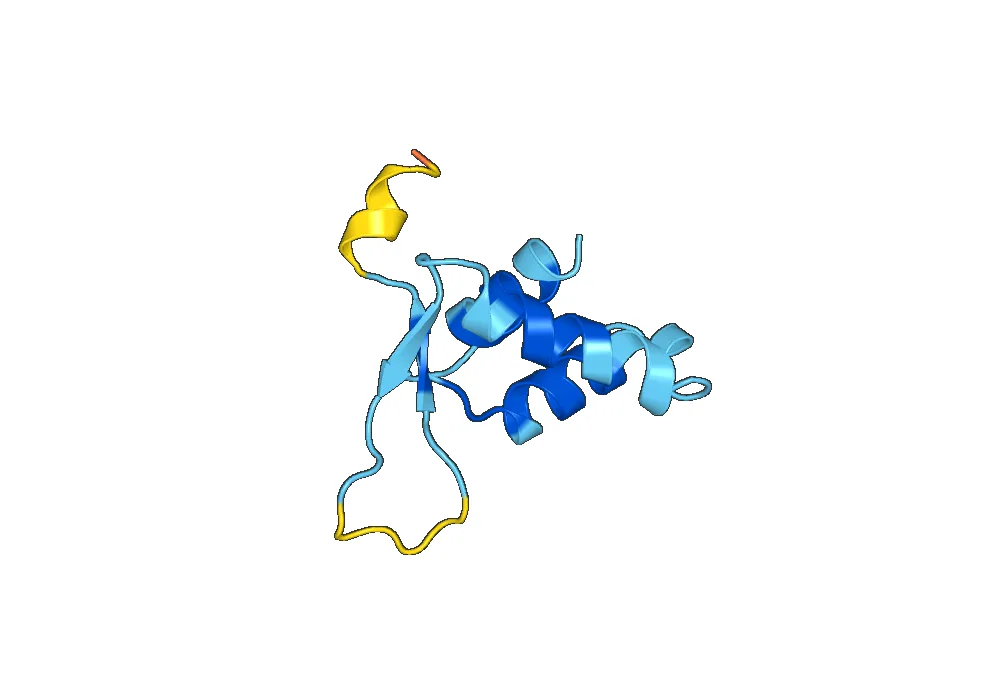
The recombinant FOXC1 protein contains a highly conserved DNA-binding domain, known as the Forkhead domain, which is responsible for its transcriptional activity. It also has a transactivation domain and a nuclear localization signal, which are essential for its proper functioning. The protein has a modular structure, with different domains responsible for different functions.
Activity of Recombinant Human FOXC1 Protein
The primary function of FOXC1 protein is to regulate the expression of target genes by binding to specific DNA sequences. It acts as a transcription factor, meaning it controls the rate of transcription of genes into mRNA. The recombinant FOXC1 protein has been shown to have similar DNA-binding and transcriptional activity as the endogenous protein.
Studies have also shown that the recombinant FOXC1 protein can interact with other proteins to form complexes, which can further regulate gene expression. These interactions are essential for the proper functioning of the protein and its role in various cellular processes.
In addition to its role in gene regulation, the recombinant FOXC1 protein has also been found to have other activities. It has been shown to play a role in cell proliferation, differentiation, and migration, making it a crucial protein in embryonic development and tissue homeostasis.
Applications of Recombinant Human FOXC1 Protein
The recombinant human FOXC1 protein has a wide range of applications in both scientific research and medical treatments. Its ability to regulate gene expression makes it a valuable tool for studying the role of specific genes in various biological processes. It can also be used to identify potential therapeutic targets for diseases that involve abnormal gene expression.
One of the major applications of recombinant FOXC1 protein is in the field of regenerative medicine. Studies have shown that FOXC1 plays a crucial role in the development and maintenance of stem cells, making it a potential target for stem cell-based therapies. The recombinant protein can be used to study the effects of FOXC1 on stem cell proliferation and differentiation, which can aid in the development of novel treatments for various diseases.
Moreover, the recombinant FOXC1 protein has also been investigated for its potential in cancer treatment. It has been found to be overexpressed in various types of cancer, and its inhibition has been shown to reduce tumor growth and metastasis. The recombinant protein can be used to study the mechanisms of FOXC1 in cancer and develop targeted therapies to inhibit its activity.
Conclusion
In summary, recombinant human FOXC1 protein is a valuable tool in scientific research and medical applications. Its well-defined structure and activity make it a reliable protein for studying gene regulation and its role in various cellular processes. Its potential in regenerative medicine and cancer treatment makes it a promising protein for future therapeutic developments.


There are no reviews yet.