Introduction
Recombinant Human PHLPP1 Protein, also known as PH domain leucine-rich repeat-containing protein phosphatase 1, is a highly conserved enzyme that plays a crucial role in regulating cell growth and survival. This protein is encoded by the PHLPP1 gene and belongs to the protein phosphatase family. Recombinant Human PHLPP1 Protein is produced through genetic engineering techniques, making it a valuable tool for research and therapeutic applications.
Structure of Recombinant Human PHLPP1 Protein
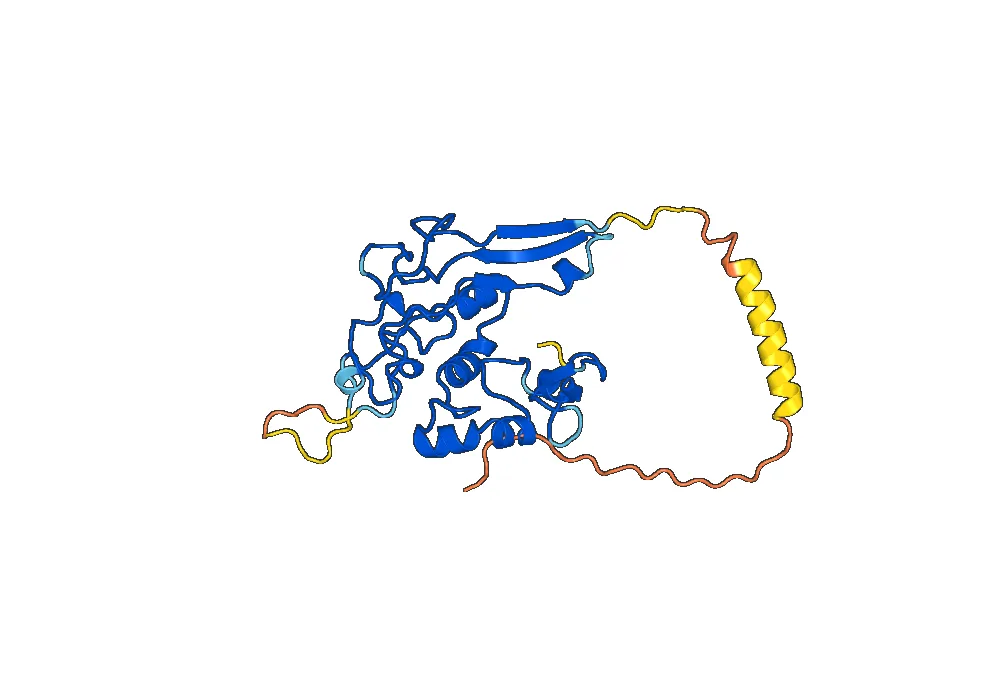
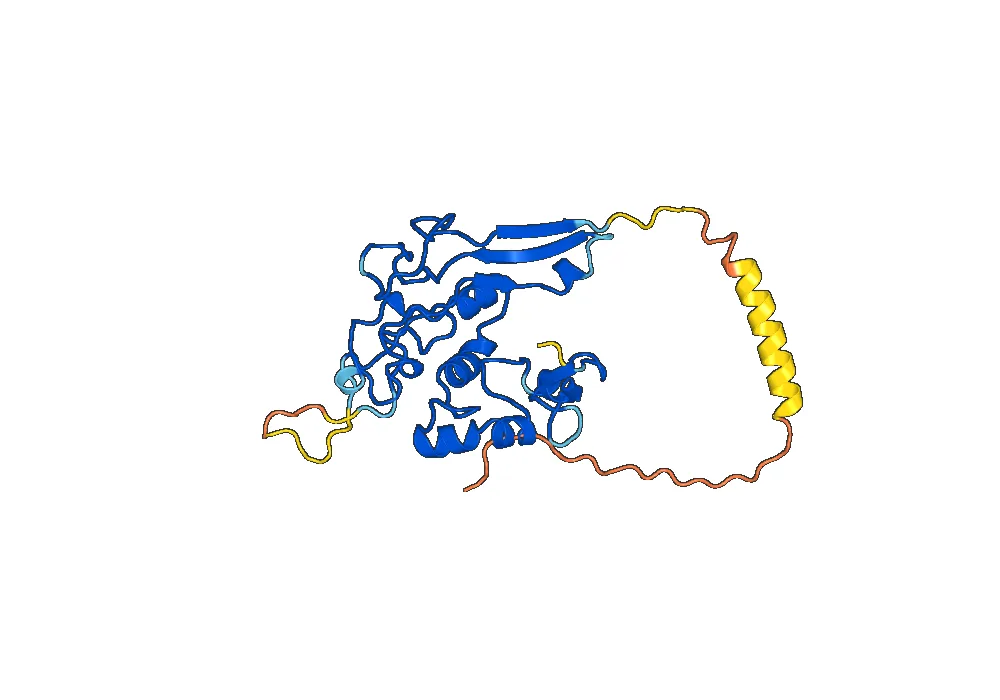
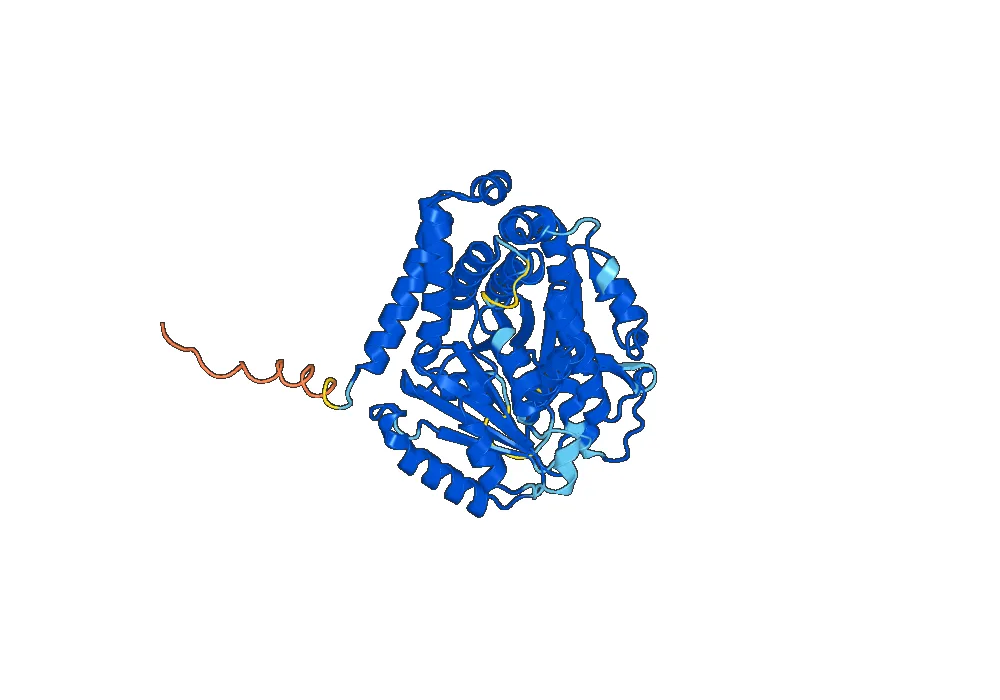
Recombinant Human PHLPP1 Protein is a 140 kDa protein that consists of 1248 amino acids. It contains a Pleckstrin homology (PH) domain, a leucine-rich repeat (LRR) domain, and a protein phosphatase catalytic (PPC) domain. The PH domain is responsible for binding to phosphatidylinositol lipids, while the LRR domain mediates protein-protein interactions. The PPC domain contains the active site of the enzyme, which is essential for its phosphatase activity.
Activity of Recombinant Human PHLPP1 Protein
Recombinant Human PHLPP1 Protein is a dual-specificity phosphatase, meaning it can dephosphorylate both tyrosine and serine/threonine residues. It specifically targets proteins that are phosphorylated by the Akt/PKB signaling pathway, such as Akt, PKC, and S6K1. By dephosphorylating these proteins, Recombinant Human PHLPP1 Protein acts as a negative regulator of the Akt pathway, leading to the inhibition of cell growth and survival.
Moreover, Recombinant Human PHLPP1 Protein has been shown to have tumor-suppressive activity. It is frequently downregulated in various types of cancer, and its overexpression has been found to inhibit cell proliferation and induce apoptosis in cancer cells. This makes Recombinant Human PHLPP1 Protein a potential target for cancer therapy.
Application of Recombinant Human PHLPP1 Protein
Recombinant Human PHLPP1 Protein has a wide range of applications in both research and therapeutic settings. In research, it is commonly used to study the Akt signaling pathway and its role in cell growth and survival. Recombinant Human PHLPP1 Protein can be used to investigate the effects of dephosphorylating specific proteins on cell behavior and to identify potential drug targets for cancer treatment.
In therapeutic applications, Recombinant Human PHLPP1 Protein has shown promise in cancer therapy. Its ability to inhibit the Akt pathway and induce apoptosis in cancer cells makes it a potential candidate for targeted cancer treatments. Additionally, Recombinant Human PHLPP1 Protein may also have applications in treating other diseases that involve dysregulation of the Akt pathway, such as diabetes and cardiovascular diseases.
Conclusion
In summary, Recombinant Human PHLPP1 Protein is a valuable tool for studying the Akt signaling pathway and its role in cell growth and survival. Its structure, activity, and potential applications make it a promising target for cancer therapy and other diseases. With further research, Recombinant Human PHLPP1 Protein has the potential to contribute to the development of new treatments for various diseases.

There are no reviews yet.