Introduction
Recombinant proteins are proteins that are produced in a laboratory setting using genetic engineering techniques. These proteins have a wide range of applications in various fields, including medicine, biotechnology, and research. One such protein is Recombinant Human FZR1 Protein, which has gained significant attention due to its unique structure and diverse functions. In this article, we will explore the structure, activity, and applications of this protein in detail.
Structure of Recombinant Human FZR1 Protein
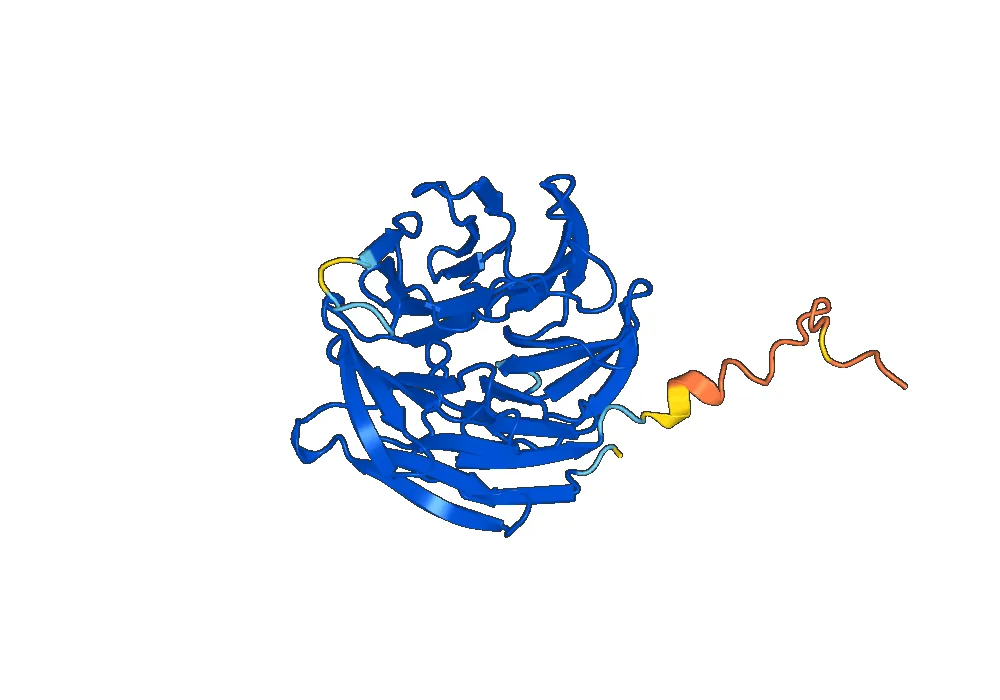
Recombinant Human FZR1 Protein, also known as Fizzy-related protein homolog, is a member of the F-box protein family. It is encoded by the FZR1 gene located on chromosome 19 in humans. This protein is composed of 654 amino acids and has a molecular weight of approximately 73 kDa.
The primary structure of Recombinant Human FZR1 Protein consists of an N-terminal F-box domain, a central WD40 repeat domain, and a C-terminal domain. The F-box domain is responsible for binding to the Skp1-Cullin-F-box (SCF) complex, which is involved in protein degradation. The WD40 repeat domain is responsible for protein-protein interactions, while the C-terminal domain is involved in substrate recognition.
Activity of Recombinant Human FZR1 Protein
Recombinant Human FZR1 Protein plays a crucial role in cell cycle regulation. It acts as a substrate recognition component of the anaphase-promoting complex/cyclosome (APC/C), which is responsible for the degradation of cell cycle regulators. FZR1 specifically targets proteins such as Cyclin B and securin for degradation, which are essential for the progression of the cell cycle.
In addition to its role in cell cycle regulation, Recombinant Human FZR1 Protein has also been found to be involved in other cellular processes, including DNA damage response, apoptosis, and cellular differentiation. It has been shown to interact with various proteins and regulate their functions, making it a crucial player in maintaining cellular homeostasis.
Applications of Recombinant Human FZR1 Protein
The unique structure and activity of Recombinant Human FZR1 Protein make it a valuable tool in various research fields. One of its primary applications is in studying the cell cycle and its regulation. By targeting specific substrates for degradation, this protein can provide insights into the mechanisms of cell cycle progression and its dysregulation in diseases such as cancer.
Recombinant Human FZR1 Protein has also been used in drug discovery and development. Its role in cell cycle regulation makes it a potential target for therapeutic interventions in diseases where cell proliferation is abnormal. Researchers are also exploring its potential as a biomarker for certain types of cancer, which could aid in early detection and treatment.
Moreover, the use of Recombinant Human FZR1 Protein in biotechnology has shown promising results. It has been used in the production of recombinant proteins, as well as in the development of transgenic organisms. Its ability to regulate protein degradation can be harnessed for the production of specific proteins in large quantities, making it a valuable tool in biomanufacturing processes.
Conclusion
In summary, Recombinant Human FZR1 Protein is a versatile protein with a unique structure and diverse functions. Its role in cell cycle regulation and other cellular processes make it an essential player in maintaining cellular homeostasis. Its applications in research, drug discovery, and biotechnology make it a valuable tool for understanding and manipulating cellular processes. Further studies on this protein could potentially lead to new therapeutic strategies and advancements in biotechnology.</

There are no reviews yet.